Ukraine warns Russia has built metal-cutting drones to topple its power grid
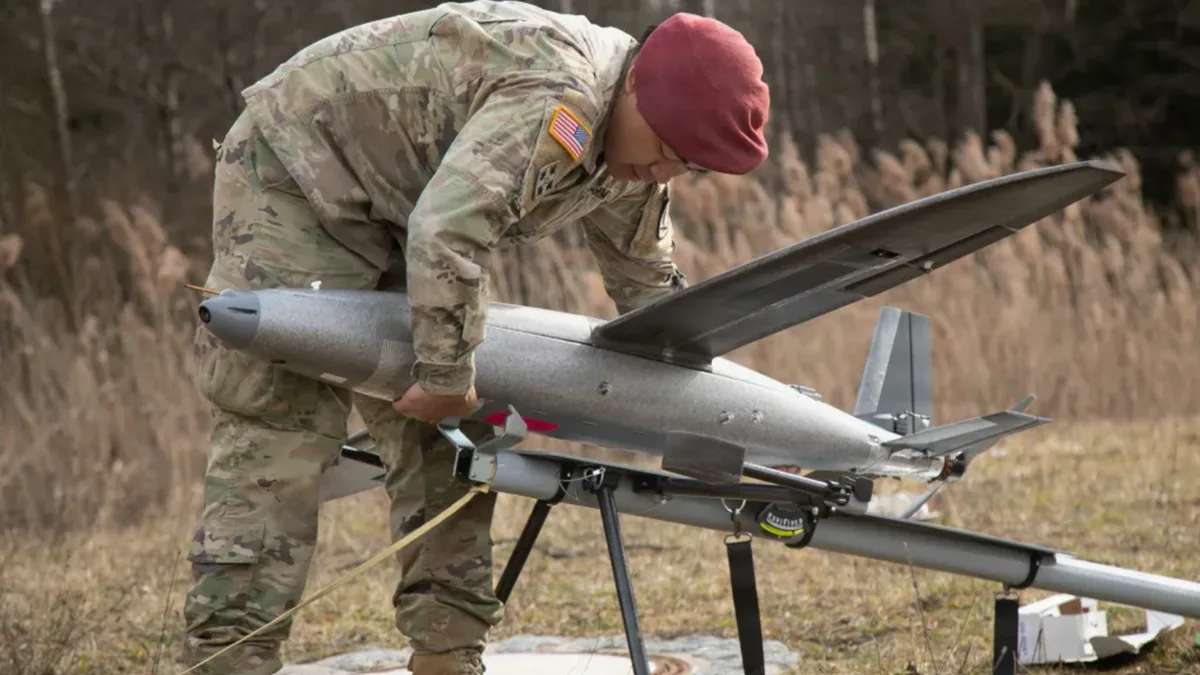
Ukraine's HUR says Russia developed a drone with an explosive charge in its wings It is designed to cut through metal and bring down existing power infrastructure The damage needs days to repair, and while it is unlikely to make the grid collapse, it can cause blackouts in many regions close to the front line Ukraine's military intelligence service says Russia has developed a drone designed specifically to bring down the former's electricity pylons in the coming winter, as the asymmetrical aspect of the conflict between the two continues to take center stage, with the latter copying many of the battlefield tactics used against it.
In an interview with RBC-Ukraine, Major General Vadym Skibitskyi, deputy chief of the Main Directorate of Intelligence, was asked what Ukraine should brace for in the fall and winter, and his response included Russian-developed drones that had wings that "contain an explosive element capable of cutting through metal." Gen.
Skibitskyi did not elaborate on the specifics, and reports do not currently list a warhead weight, describe a range, or provide a launch profile.
A conflict that has changed shape multiple times during its course The conflict has had many twists and turns since Russia invaded Ukraine in February 2022, with a frontline that has moved both ways multiple times, even as both sides hunker down for what seems to be a never-ending war.
With the former's hopes of a quick victory dashed and the latter fielding a much larger fighting force, both sides have had to adapt, relying on cost-effective weaponry in large numbers, such as Iran-designed Shahed drones on Russia's end.
One-way Kamikaze drones like the Shahed's primary deployment are hardly new in the war, but the change in pattern that is being suggested here indicates what reports are already hinting at: both sides are increasingly targeting civilian infrastructure to maximize economic damage.
Russia reportedly targeting Ukraine's power infrastructure with drones is simply yet another example of how both sides are trying to one-up the other in attacks that have targeted a mix of military bases, refineries, and even retail stores of late.
The one technical detail worth dwelling on is the placement of the explosives on the wings of the purported drones that Ukraine's deputy intelligence chief is hinting at: drones targeting a high-voltage tower could do maximum damage by embedding explosive material in their wings.
Even a single hit could, in theory, take out a large swath of the grid in a region with extremely cold winters, and heat and power are crucial for civilians and the military to survive.
5News aggregated this summary from the outlet’s public feed. The full article, with all the context, is on www.techradar.com — the content belongs to TechRadar.