AI-driven upgrade of communications energy storage empowers a new energy ecosystem for multiple industries
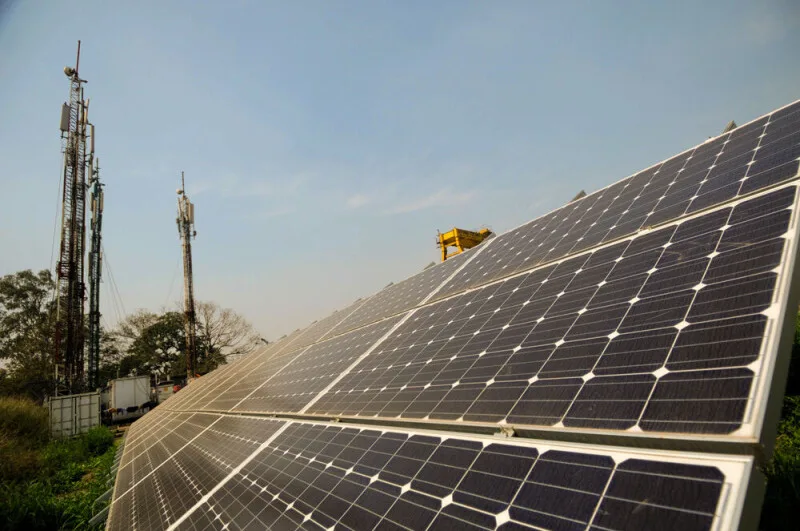
AI datacenters have become a major driver of rising electricity consumption, but AI doesn't just happen in a datacenter.
The telecommunications networks connecting datacenters to businesses and consumers are themselves major electricity consumers.
5G and its successors mean ever higher energy demands.
Newer comms architectures deliver more bandwidth and richer services, but they also require denser cells, and 5G infrastructure such as multiple-input multiple-output (MIMO) antennas consumes more power than earlier equipment.
The International Energy Agency predicts total datacenter energy consumption will double between 2025 and 2030 to 950 TWh, representing three percent of global electricity demand, while AI datacenter consumption alone will triple over the same period.
Telecom industry electricity consumption is rising in parallel.
The IEA put telecom network consumption at 260 to 360 TWh annually in 2022, up to 1.5 percent of global electricity use at the time, with mobile comms accounting for two thirds of the total.
This all plays out against surging electricity demand in general, as sectors such as transportation and industry shift away from fossil fuels.
As the IEA puts it, the age of electricity has arrived.
Electricity consumption is now projected to grow at least 2.5 times faster than overall energy demand over the five years to 2030, it says.
The relationship runs both ways, the IEA notes.
AI may prove critical for global industrial innovation and competitiveness.
The agency says that "proven applications of AI could help firms in energy-intensive industries reduce their energy costs by three to 10 percentage points." The agency adds, though, that "The energy sector as a whole is not yet taking full advantage of AI's potential... with lack of sufficient digital skills and data availability emerging as key barriers to adoption." That looks like a significant omission, given that traditional electricity generating infrastructure, in the shape of large central generators and national grids, is struggling to keep up with customer demand, particularly from the tech sector.
Those same customers, ironically, already own substantial energy storage and even generating capacity of their own.
5News aggregated this summary from the outlet’s public feed. The full article, with all the context, is on www.theregister.com — the content belongs to The Register.