Nikon and Fujifilm's quiet year for new cameras isn't the disaster you think it is — here's why
Camera gear enthusiasts, myself included, can be an impatient lot at times.
We want to see shiny new models with better features (whether we need them or not).
So what happens when two of the major manufacturers have had a particularly quiet year? Pandemonium (on the rumor sites' comment sections, at least)! So far in 2026, Sony has released the 5-star A7 V and A7R VI mirrorless cameras, and revived its bridge camera range with the class-leading RX10 V .
Canon has delivered another 5-star camera, the EOS R6 Mark III , and revealed an all-new design with the recent EOS R8 Mark II .
Where are Fujifilm and Nikon in this picture? Fujifilm is yet to release a single camera this year.
The same was true for Nikon until recently, when it launched a viewfinder-less 'C' version of the Z5 II .
Before that, the last camera Nikon released was the Nikon Zr cinema/vlogging camera, and the Z5 II before that, marking 18 months with no truly new mirrorless camera.
Rumors heavily suggested a Fujifilm X-T6 would land in September, but one month on, we're still waiting.
And it's set against this backdrop that fans with a touch of GAS (gear acquisition syndrome) are getting agitated.
Well, I'm here to address those concerns with a healthy reality check.
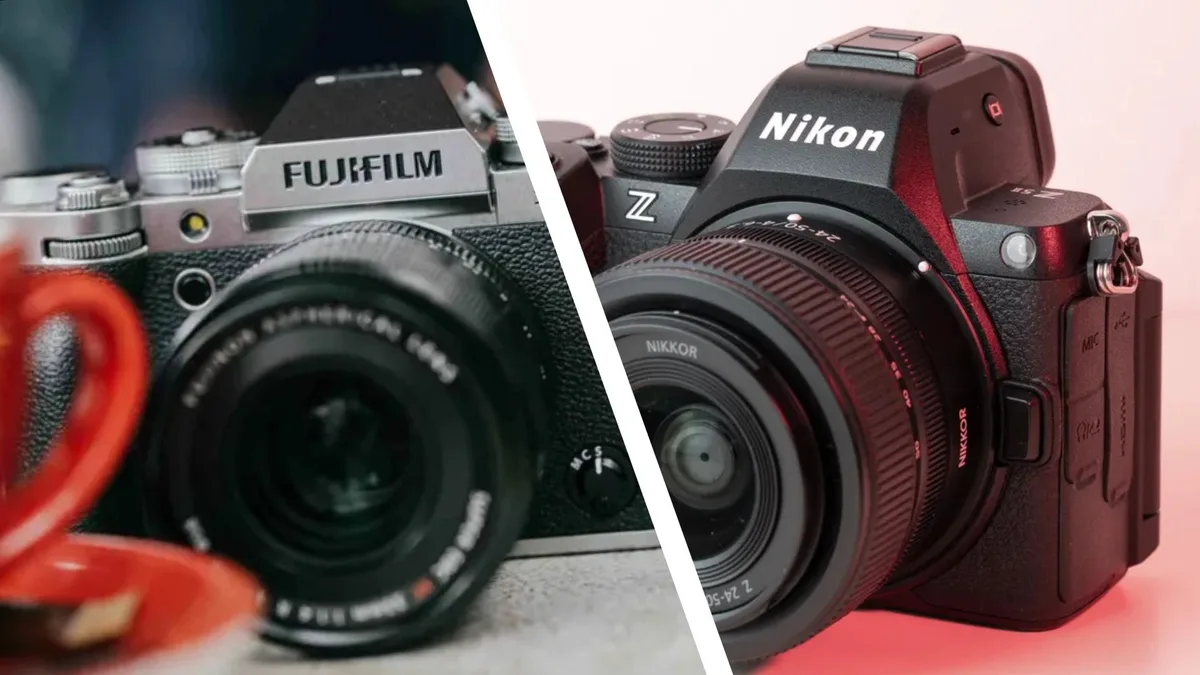
The still amazing X-T5 from 2022 Future The Nikon Z8 pro full-frame camera from 2023 holds its own three years later Future Already ahead of the game Yes, new is exciting.
This year I've felt the buzz of testing the Ricoh GR IV, Sony A7R VI, Lumix L10 , OM System PEN , Leica Q3 Monochrom and Canon EOS R8 Mark II, among others.
However, it was the last camera on that list that brought a point into sharp focus for me — cameras have a pretty long shelf life.
The EOS R8 Mark II was a decent upgrade from the EOS R8 from 2023, with a new look, design improvements, and in-body image stabilization added — basically addressing key drawbacks of the original.
5News aggregated this summary from the outlet’s public feed. The full article, with all the context, is on www.techradar.com — the content belongs to TechRadar.