What happens if election deniers run elections?
Rep.
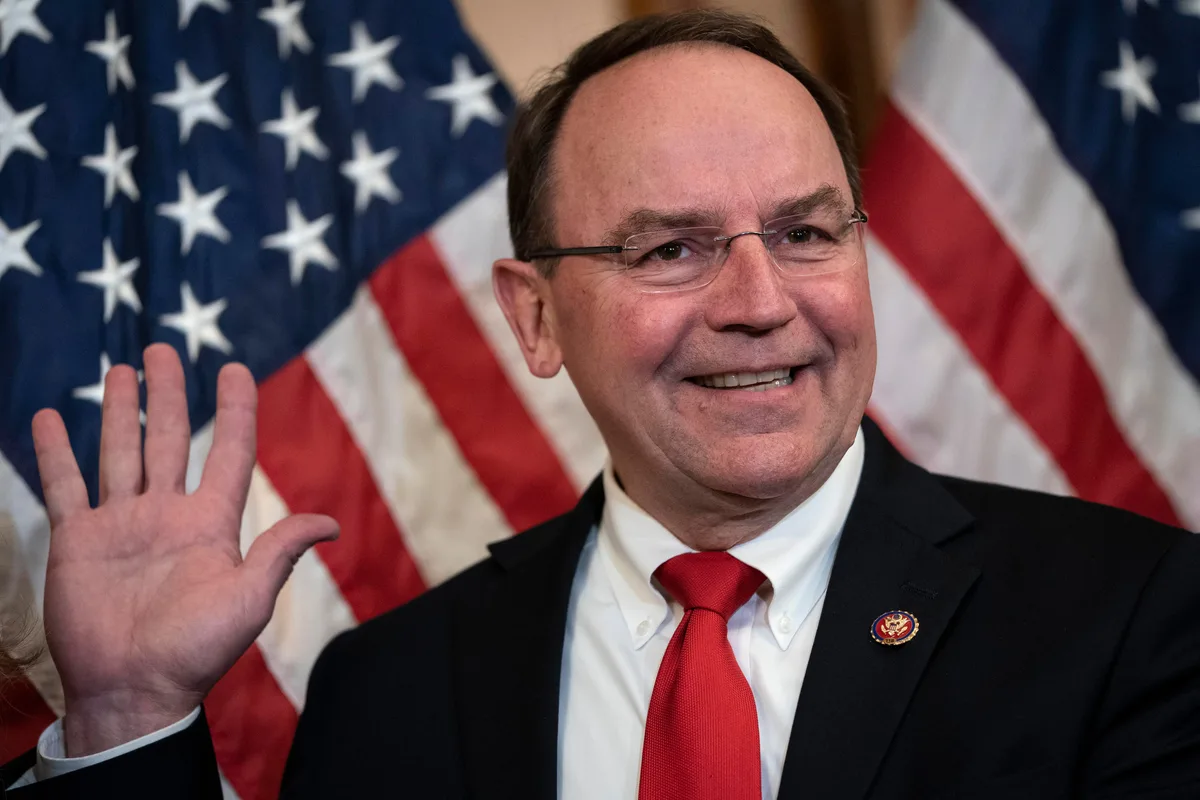
Tom Tiffany (R-WI) participates in a ceremonial swearing-in at the US Capitol on May 19, 2020, in Washington, DC. | Drew Angerer/Getty Images Tom Tiffany, the new Republican nominee for governor in Wisconsin, is not just a passive supporter of President Donald Trump’s lies about the 2020 presidential election.
He is an active promoter of them.
In December 2020, when he was a member of Congress, he signed on to a Texas lawsuit seeking to invalidate Joe Biden’s victory.
On January 6, 2021, he voted against certifying the results in Pennsylvania and Texas just hours after rioters threatened to kill his colleagues.
He has stated he would have overturned Wisconsin’s results too, and just this year endorsed an FBI investigation into the state’s elections .
And though the national climate in 2026 favors Democrats, Wisconsin is a closely divided state: Tiffany could beat the odds and win the general.
There is, in short, a very real chance that someone who doesn’t believe American elections are legitimate may soon be supervising them in one of the 2028 presidential cycle’s most important swing states.
It’s not just Wisconsin.
In each of the other most critical 2028 states — Michigan , Georgia , Pennsylvania , Arizona , and Nevada — Republicans have chosen an election denier as their nominee for governor, secretary of state, or both.
If any of these candidates win, they will have at least some degree of authority over the administration of elections in a state that could determine the outcome of the next presidential election.
So could the outcome of the 2026 midterms ultimately lead to a stolen election in 2028, as some are already warning ? Election experts say it’s very unlikely.
State election laws contain numerous overlapping checks on interference from top officials.
The judiciary has a pretty strong track record in stopping election malfeasance.
5News aggregated this summary from the outlet’s public feed. The full article, with all the context, is on www.vox.com — the content belongs to Vox.