THEN AND NOW: Photos show how Cuba went from a 1950s tourist destination to a country plagued by blackouts
Fidel Castro took control of Cuba in 1959; since then, life on the island has changed dramatically.
Archive Photos/Getty Images Cuba transitioned to a communist state in 1959, altering its tourism and economic landscape.
Today, Cubans face shortages and power outages, yet tourism remains a key economic driver.
Private businesses are re-emerging in Cuba, but many still depend on government rations.
On New Year's Day 1959, Cuba woke up to a new reality.
By then, the island had established itself as a tourism hot spot and cosmopolitan travel destination , thanks to its entertainment, hospitality, and proximity to the US.
Before dictator Fulgencio Batista fled Havana and revolutionaries led by Fidel Castro transformed the country into the first communist state in the Western Hemisphere, Cuba's social and economic fabric had already begun fraying.
The glamour of Havana hospitality masked political repression, corruption, and sharp divides between the capital and vulnerable rural communities .
Today, Cubans on the island struggle with shortages of food , water, fuel, and medicine, as well as recurring power outages .
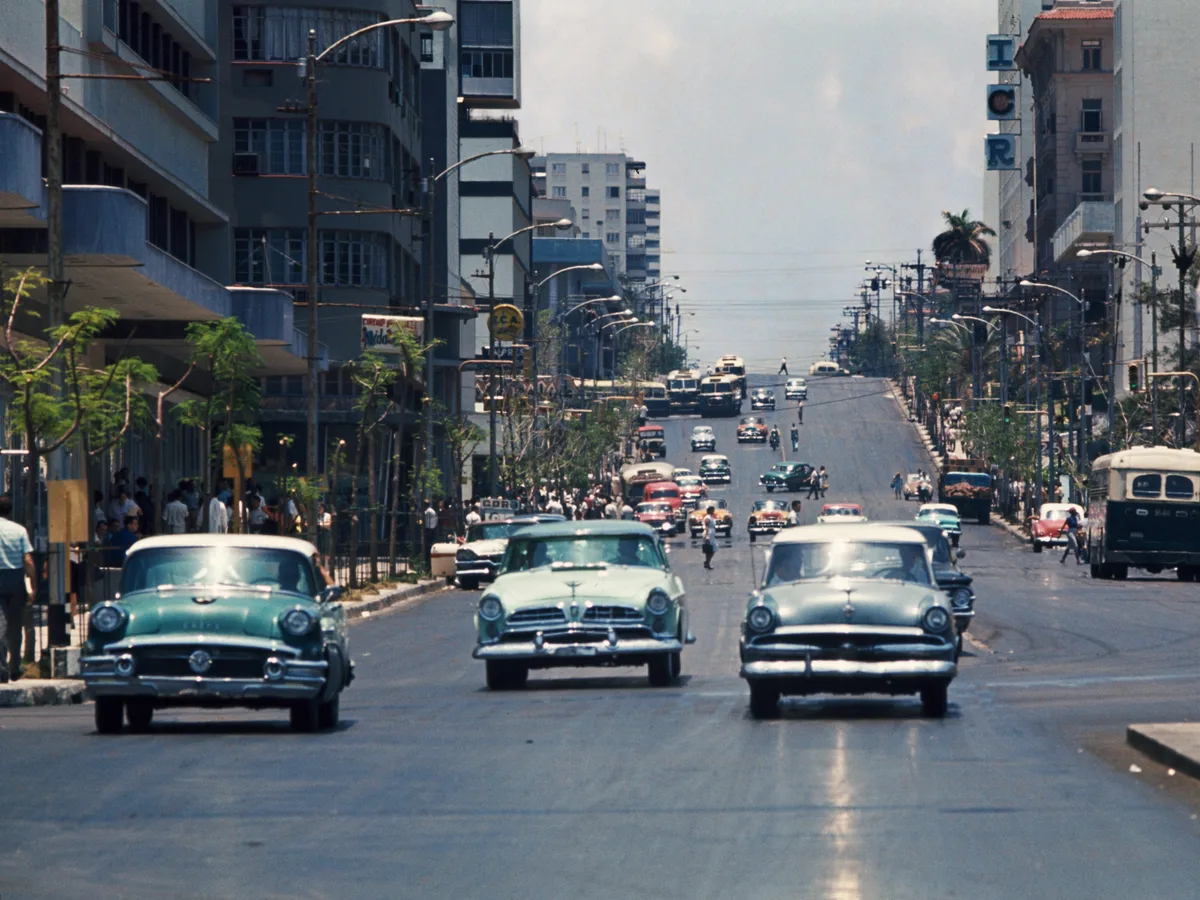
Yet some scenes look remarkably similar to those from the midcentury.
Historic buildings dot the island, vintage cars preserve a distinctive streetscape, and tourists still come for its beaches, hospitality, and nightlife.
Since 1962, the US has maintained a trade embargo with Cuba, restricting most US commerce aside from limited exceptions for food, medicine, and humanitarian exports.
Decades of economic animosity and restricted access to US markets have deterred foreign trade and investment in the country and contributed to the island's economic isolation .
On January 29, 2026 — shortly after the US captured Venezuelan President Nicolás Maduro and blocked Venezuela's oil shipments to Cuba — US President Donald Trump signed an executive order creating a process to impose additional tariffs on imports from countries that directly or indirectly provide oil to Cuba.
5News aggregated this summary from the outlet’s public feed. The full article, with all the context, is on www.businessinsider.com — the content belongs to Business Insider.