The Hidden Value of Back-to-School Shopping
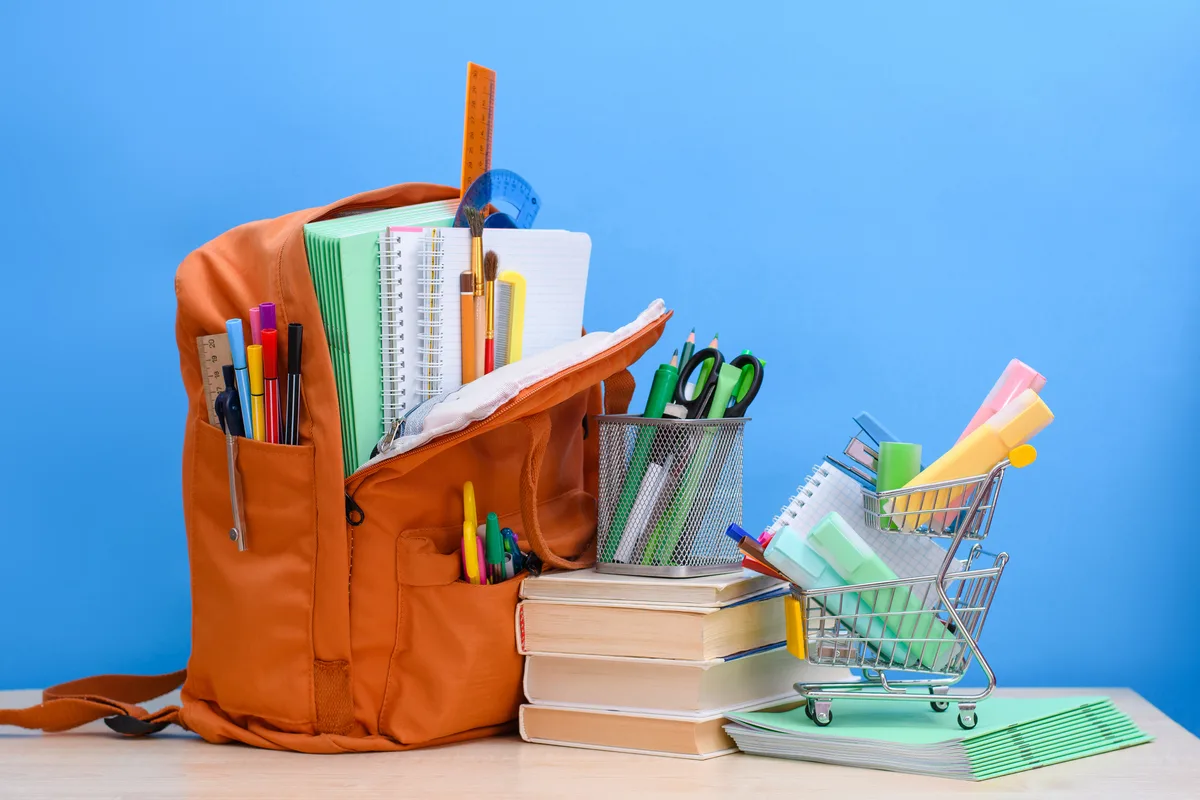
—Nikita Burdenkov—Getty Images One of my first school memories comes from the first day of first grade, when my German mother dropped me off with a blue paper cone stuffed with fresh school supplies and a brand-new, boxy green backpack.
Peering into the cone, inside at a Staedtler eraser and a pack of gummy bears, I felt like an alien about to make first contact with my classmates at Blessed Sacrament in Johnson City, N.Y.
Even without a Trapper Keeper, I blended in.
Americans were agog over back-to-school shopping then, as they are now.
This year, the average family is projected to spend $489 per child on stationery, devices, clothing, shoes, and the latest technology for packing organic strawberries.
It's easy to dismiss our collective consumer ritual as another marketing season.
Yes, it was invented by department stores selling school uniforms in the 1800s, and then turbocharged with seasonal catalogs and sales by retailers like Montgomery Ward and Sears in the century that followed.
And it is a sort of pre-Halloween ritual in which we all foist new costumes on our children.
But all those new backpacks, sneakers, pencil cases, and lunch boxes do something else.
They help turn our children back into students.
For two glorious summer months, we released our children from the routines and identities of school.
They've spent a culturally sanctioned rumspringa at pools , beaches , and camps , in the woods , or on a Nintendo .
Then, almost overnight, we thrust them back into desks, routines, homework, and a social world that is often new and uncertain.
A handful of new pencils can help.
5News aggregated this summary from the outlet’s public feed. The full article, with all the context, is on time.com — the content belongs to TIME.