The U.S. is about to churn out much more natural gas to power AI and to export—and it’s triggering a wave of multibillion-dollar acquisitions
It’s shopping season for America’s pipeline giants.
As they prepare for a wave of new U.S. natural gas production to power AI data centers or to be exported overseas, the top pipeline players are quickly buying up their smaller private competitors to consolidate the industry and build out scale.
This week, Tulsa, Oklahoma-based ONEOK bought West Texas’s Brazos Midstream’s Permian Basin assets for $4.42 billion.
This comes shortly after pipeline giant Williams acquired Momentum Midstream and its Texas and Louisiana pipeline gathering and processing facilities for $5.5 billion.
In May, Western Midstream paid $1.6 billion for Brazos’ Delaware Basin facilities in the western lobe of the Permian.
In the 20 years of U.S. shale gas boom since 2006, U.S. natural gas production has more than doubled—following over three decades of flat output—and is projected to continue skyrocketing through 2050.
The U.S. now produces about a quarter of the world’s natural gas—almost double the output of second-place Russia—and leads the world in liquefied natural gas (LNG) exports, even though the U.S. only started shipping LNG 10 years ago.
The continued buildout of LNG export facilities in Texas and Louisiana, coupled with surging domestic demand to power AI, means that U.S. natural gas output could rise another 35% from now until 2050 up to 150 billion cubic feet per day (Bcf/d)—versus 50 Bcf/d 20 years ago—according to U.S.
Department of Energy projections.
London Spivey, energy analyst for East Daley Analytics, told Fortune that ONEOK is getting a good value to grow its large footprint in the Permian’s more mature Midland Basin through the Brazos deal.
“They’re getting the gas to help feed that AI demand to profit along every step of the value chain,” Spivey said, acquiring the gathering lines from the wells and the gas processing plants.
“They pull it out of the ground, they bring it to their plant, they process it, they’re able to put it on one of their pipelines and transport it to that end demand, whether it’s data centers or feeding LNG.” The Brazos deal includes 700 miles of gathering lines and 1.2 Bcf/d of gas processing capacity.
“It highlights the trend that we’ve been seeing across the entire industry of these big publics going in and buying out all these privates and consolidating,” Spivey added.
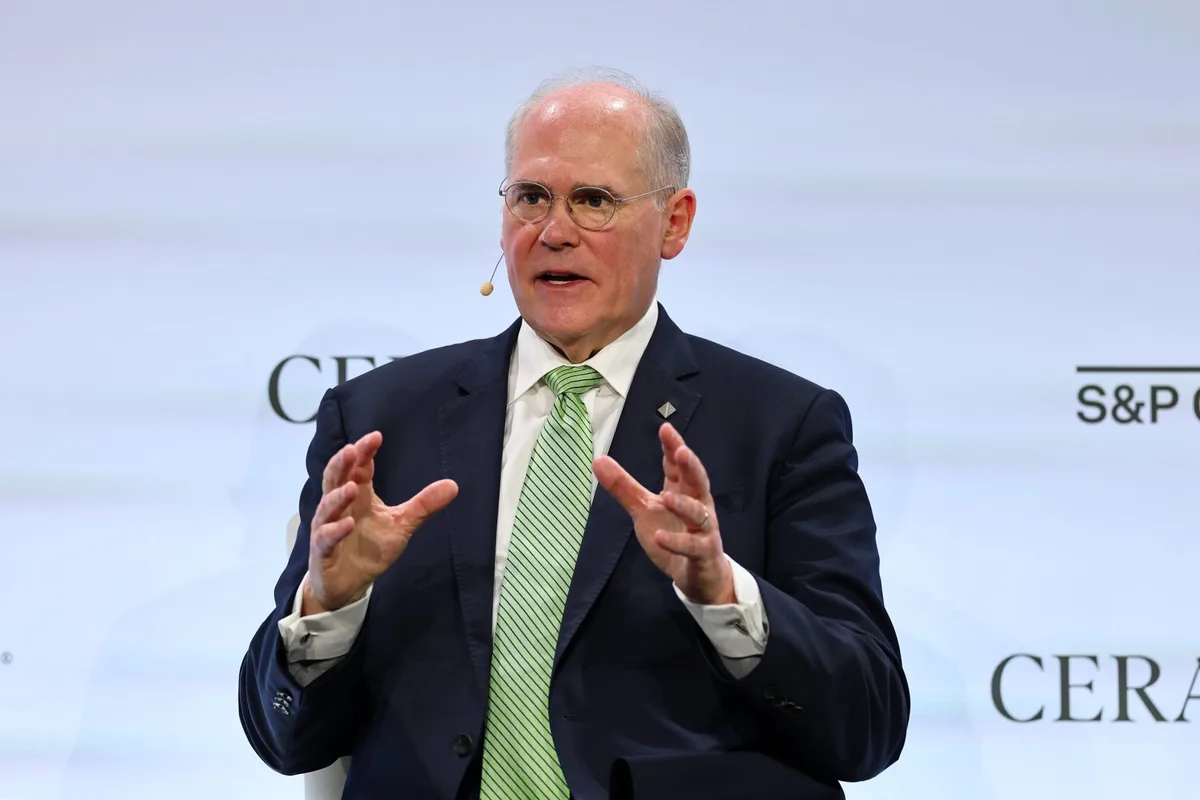
In an interview prior to the Brazos deal, ONEOK CEO Pierce Norton told Fortune that the company is positioning itself for the rise of natural gas supplies.
5News aggregated this summary from the outlet’s public feed. The full article, with all the context, is on fortune.com — the content belongs to Fortune.