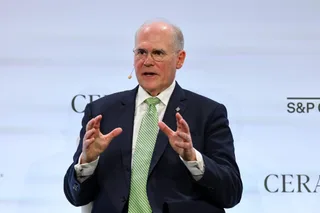
Chicago Fed’s Austan Goolsbee wants to get back to ‘old school’ economics: Focused on ordinary Americans, mindful of AI hype, and sharp on inflation
Radical opinions on the economy aren’t hard to come by right now: Tech titans, economists, Wall Street giants, and politicians have all suggested that AI will be transformative, but can’t agree on whether it will be for good or evil.
Extreme divides in opinion are also appearing over policy: be it trade, immigration, interest rates, or national debt.
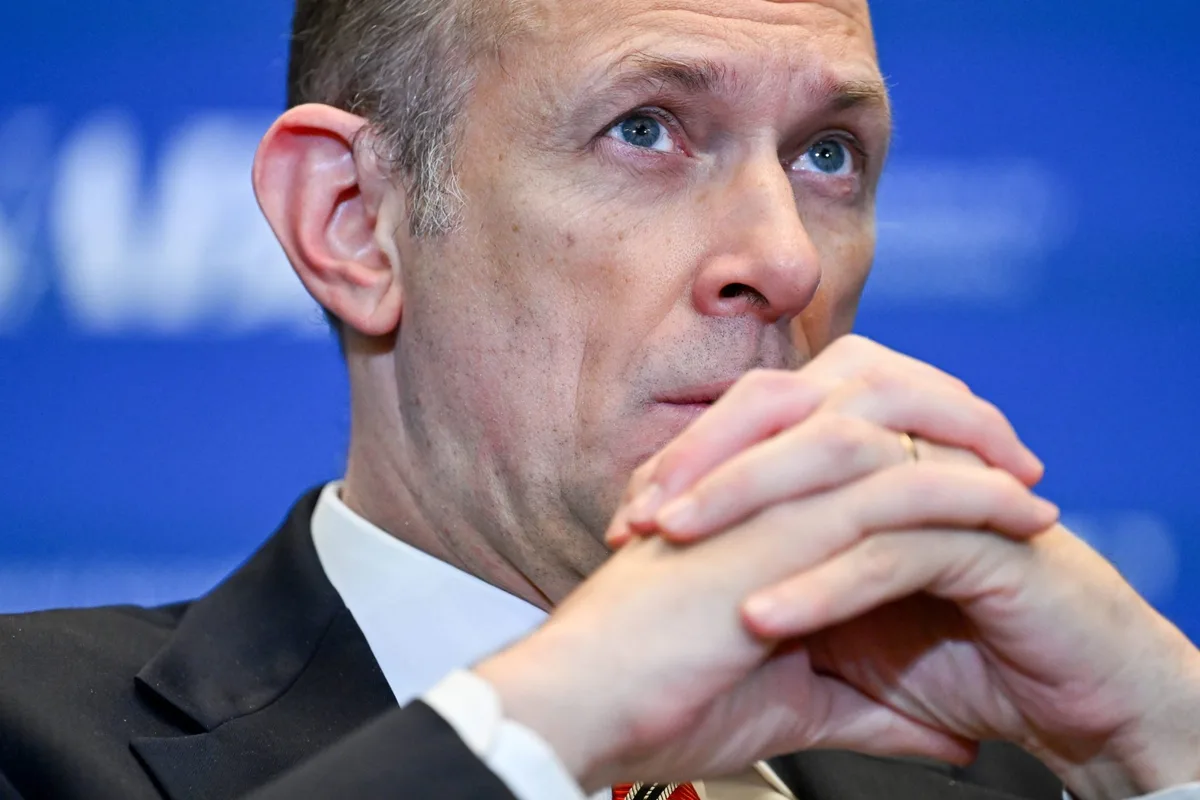
The Federal Reserve Bank of Chicago’s President and CEO, Austan Goolsbee, is less concerned with prophecies of chaos or prosperity—he’s more focused on the reality of American consumers, and the businesses they work for.
In a landmark Jackson Hole speech last week, new Federal Reserve chairman Kevin Warsh said inflation was the sharpest focus , at present, for the rate-setting Federal Open Market Committee (FOMC), of which Goolsbee is a member.
The reason: Price rises are comfortably ahead of the central bank’s mandated 2% target, pushed higher by supply-side shocks like the Middle East oil upset and tariffs.
Speaking exclusively to Fortune , Goolsbee agreed with the balance of concerns Warsh laid out: “On the real side, we’ve been stable, now inching toward dangers of overheat, and on the inflation side, after a couple of years of strong progress, it stalled out and started getting worse.
But, we’ve had one encouraging report, one OK report, and now our challenge is … the inflation.” The employment side of the Fed’s mandate looks relatively stable across data points such as the unemployment rate, vacancy rate, hiring rate, and the layoff rate, Goolsbee explained: “I think that’s been largely—not the result of AI data centers, for much ballyhoo—it’s the U.S. consumer.
Broad-based consumer spending growth is the thing that has kept the economy solid and stable.” And while everyone is closely watching AI’s impact on the labor market—be it layoffs, productivity gains, or demand for certain skills needed for infrastructure—Goolsbee is particularly concerned about potential economic overheating.
He explained: “I would characterize the expansion of the data centers as very hot, but largely shoving other parts of the economy down.” “The rise has been stepping on others—they’re competing for the resources.
When I’m touring around the 7th district, people [are] saying: ‘We’re having to scale back our plans because getting construction workers is too expensive, you can’t get HVAC,’ etc.
That implies a sector rebalance, that is different from an aggregate overheating, [but] that said, we’re not far from that turning into aggregate overheating.” If the impact of data center buildouts spreads further through the economy—pushing up services inflation, for example—”that would make me more nervous,” said Goolsbee.
5News aggregated this summary from the outlet’s public feed. The full article, with all the context, is on fortune.com — the content belongs to Fortune.