How Real Is the Threat of AI Starting the Next Pandemic?
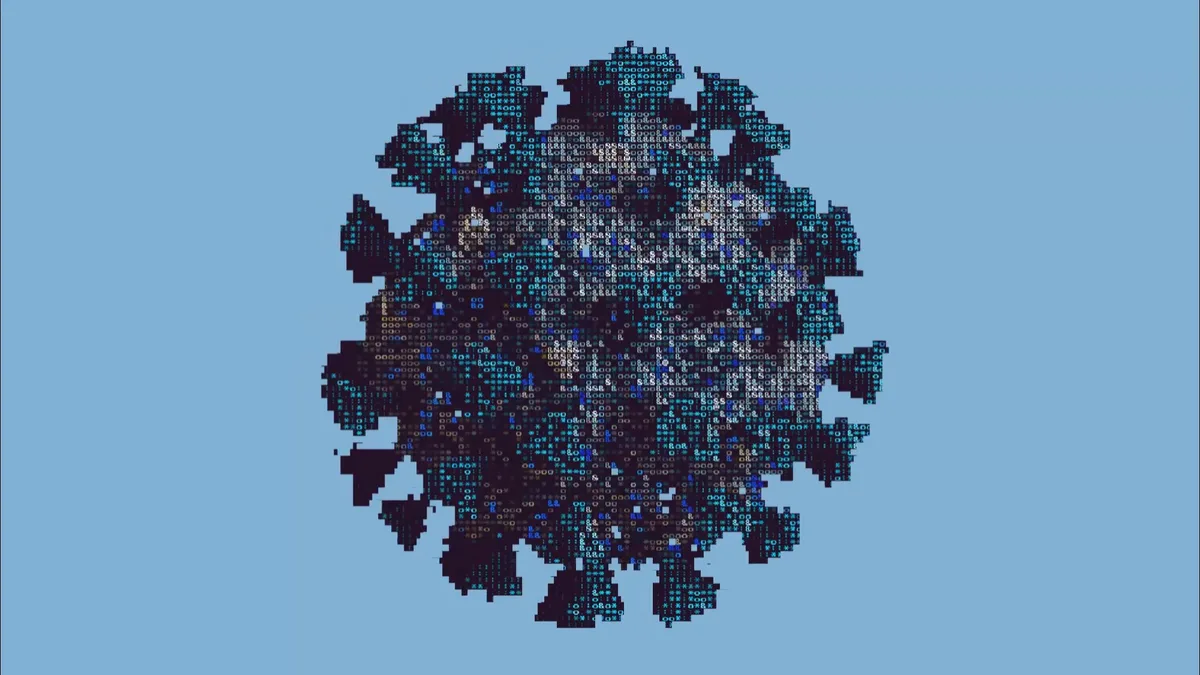
Last month, a team of scientists published a high-profile paper describing how they’d taught an AI model to help produce brand-new, deadly viruses.
The AI—a “genome-language model” trained on DNA sequences—had designed multiple new genomes that scientists then synthesized into functional viruses.
And some of those viruses were capable of killing bacteria in a dish.
News of AI-made viruses went over poorly.
The loudest reaction to the study (which had been released as a preprint about a year ago) was fear.
Now that AI can design viruses that go after bacteria, perhaps someone could use the technology to manufacture pathogens that harm people—sparking a major outbreak, even a devastating pandemic.
This potential threat evoked some of the same concerns that politicians , researchers , and tech leaders (including Bill Gates ) have raised.
And these fears are only gaining traction: On Thursday, Anthropic released a report that sparked a round of doom-laden headlines, detailing several instances in which the company banned accounts that were using its LLM, Claude, for what could have been reputable research efforts—or efforts to develop biological weapons.
AI, which has repeatedly proved itself capable of exceeding user expectations and bypassing guardrails, is a formidable force; many fears about its potential biological threat stem from its relentless pace of development and the possibility that it could make independent breakthroughs, exceeding researchers’ own understanding, especially if AIs eventually achieve recursive self-improvement—that is, models designing newer and smarter models.
Kevin Esvelt, a biologist at MIT and a co-founder of Secure Bio, a biosecurity nonprofit, told me that although he thinks the probability of an AI-driven pandemic remains quite low, the consequences of such a catastrophe would be so large that “it’s very important that we drive that probability down as low as we can.” But many other biologists, especially infectious-disease experts and virologists, told me that the threat of a pandemic need not loom particularly large on the list of AI-made threats.
To the scientists most familiar with the minutiae of growing, modifying, and testing viruses in a lab, and the havoc they can wreak in the real world, the viruses that have already arisen through evolution, or will soon enough, still present much more immediate perils.
In other words, humans should be investing aggressively in pandemic preparation, but not because of AI.
To be clear, viruses made with the help of AI could pose some threat.
The experts I spoke with agreed that, in the wrong hands, AI could be used to speed infectious destruction, to a degree.
5News aggregated this summary from the outlet’s public feed. The full article, with all the context, is on www.theatlantic.com — the content belongs to The Atlantic.