The Real Harm of a Public Execution
Yesterday, in an interview aboard the USS Abraham Lincoln, Defense Secretary Pete Hegseth said the United States would soon carry out its first public execution since the 1930s.
“We’ll make sure that people are able to watch it,” he said.
Pentagon officials later confirmed that the execution will be livestreamed.
The condemned man is former Major Nidal Hasan, who shouted “God is great” in Arabic before murdering 13 people at Fort Hood in 2009.
Hegseth’s rationale for following this ancient practice is the same one offered by the ancients themselves: publicizing the agony of death and its unhygienic aftermath will remind onlookers that, in Hegseth’s words, there are “serious consequences” for treason.
“No-brainer,” Hegseth said.
This pitiful creep—Hasan, I mean—deserves what he is probably going to get in December.
The rest of us, however, will be ill-served by the spectacle of his execution.
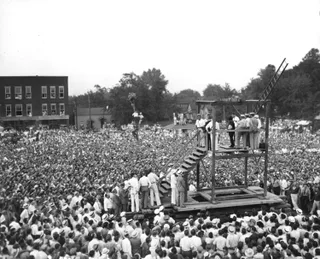
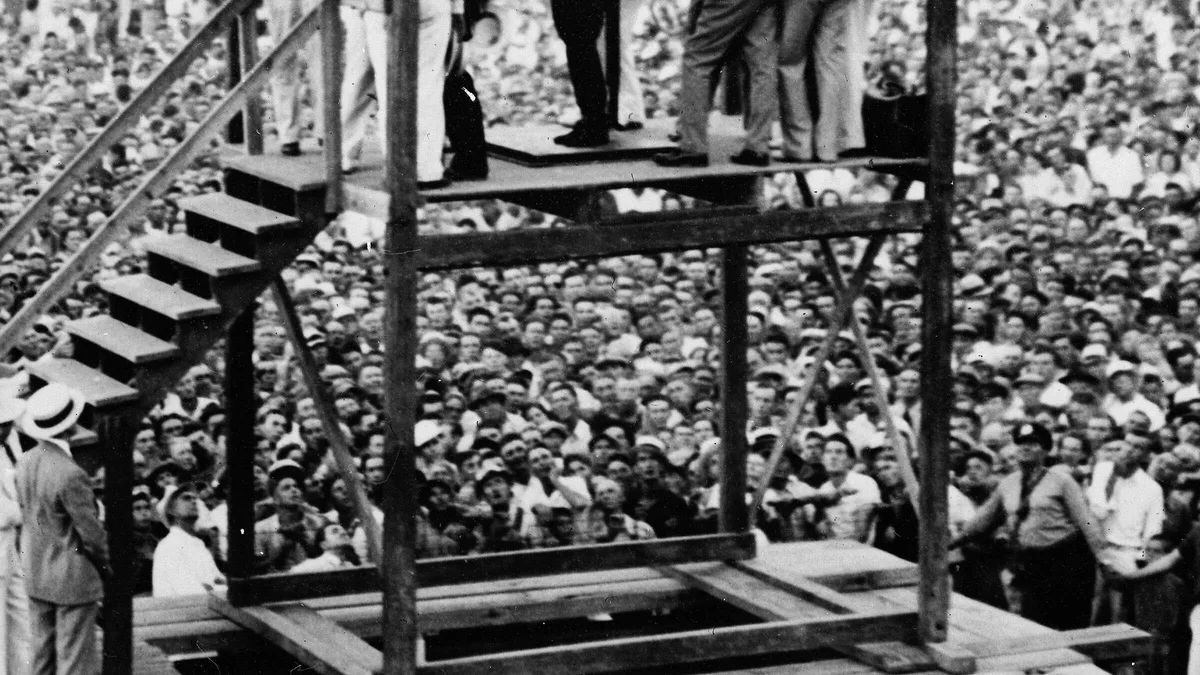
Many past criminals have had their head publicly cut off, or body nailed to a cross and left to rot there, as exemplary punishment.
Such executions were once considered entertainment.
Now the idea of recreationally watching a man be killed is so strange that few people understand what the experience will be like.
Watching people die by violence, even if those people have it coming, damages the spectator irreversibly.
I don’t mean physical or emotional damage, though many who see unnatural deaths up close do vomit and suffer from uneasy dreams afterward.
Rather, I mean something more like the loss of their humanity and dignity, through partaking in the process of treating a person—in many ways so similar to themselves—like a machine to be turned off or ripped apart, a malfunctioning printer or an old car.
5News aggregated this summary from the outlet’s public feed. The full article, with all the context, is on www.theatlantic.com — the content belongs to The Atlantic.