It’s a Long Shot, but Here’s How the Steam Frame Could Save VR
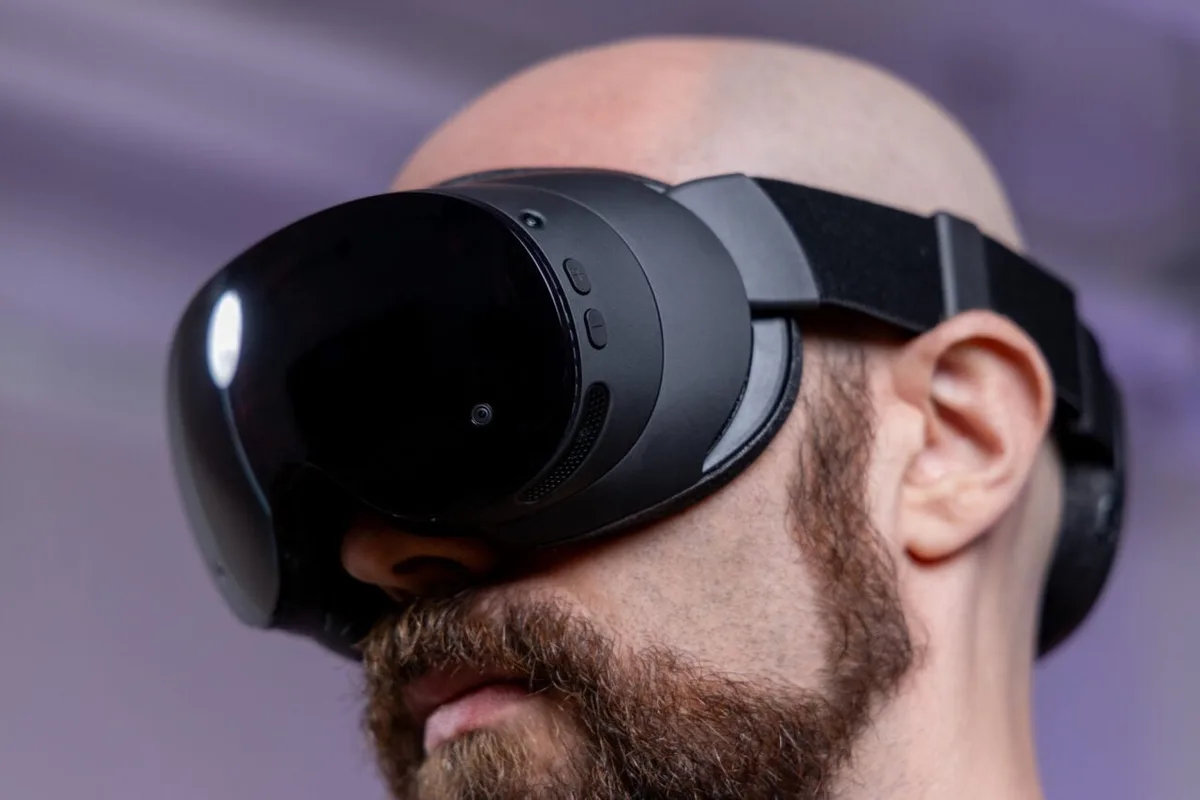
Valve’s Steam Frame is one of the last of a dying breed, an honest-to-god interesting example of gaming-focused headset tech in what’s become a slow drought of virtual reality. To save VR, Valve will have to pull out all the stops, and its saving grace may have something in common with many of the celebrities at the Emmys : accessories, accessories, accessories.
The Steam Frame is built for wireless VR play, even though that’s diminished by its limited battery life when playing both 2D and virtual reality titles natively. It’s also an awkward device for any AR (augmented reality) content with its monochromatic IR passthrough cameras. However, we may be only scratching the surface of what we can do with the Steam Frame. Valve’s headset is secretly incredibly modular, and not just because it’s effectively a Linux PC you can wear on your face.
At launch, the makers of Steam promoted a $150 plug-in accessory made by Arcturus that adds RGB color passthrough and 3D video capture capabilities. This extra doohickey is plugged into the front of the headset through its PCI-E expansion slot. You can see for yourself in hands-on videos how this accessory could allow for more mixed reality game options. More than that, it’s a device that allows for developers to expand what’s possible with Valve’s headset.
The PCI-E slot means we could see even more third-party expansions to Steam Frame hardware, though we’ll have to hope somebody comes up with more interesting gear. Still, there are more independent makers thinking outside the box. While the Steam Frame doesn’t require any infrared “base stations” to track the headset or controllers, indie company Soulart is designing hardware-agnostic base stations it promised would be compatible with Valve’s headset. This is probably more suited for people keen on VRChat if you really need full-body tracking for your avatar’s fursuit (no hate to the VRChat denizens out there). At least, it proves there are other possibilities that show there’s still progress to be made for virtual reality.
Valve itself has indicated it’s working on a separate expansion kit. The company told PCGamer it was going to craft a new headstrap with a hot-swappable battery and higher-end speakers, akin to what it had inside its Index headset from 2019. What’s important about all this modularity is that both players and developers may not have to keep waiting for next-gen headsets to arrive to find more interesting VR tech. No, this won’t finally make VR gaming truly mainstream, but it may help keep the flame alive for a few more years.
Valve certainly has its legion of fans, but that $1,060 price tag is still going to stymie the Steam Frame from becoming anywhere as big as the Meta Quest was just a few years ago. Not to mention, the Steam Frame arrives just when multiple big companies seem to be losing all interest in VR. Sony seems to have all but given up on its PlayStation VR2 just three years after its launch.
5News aggregated this summary from the outlet’s public feed. The full article, with all the context, is on gizmodo.com — the content belongs to Gizmodo.