How to Govern the Existential Risk of AI
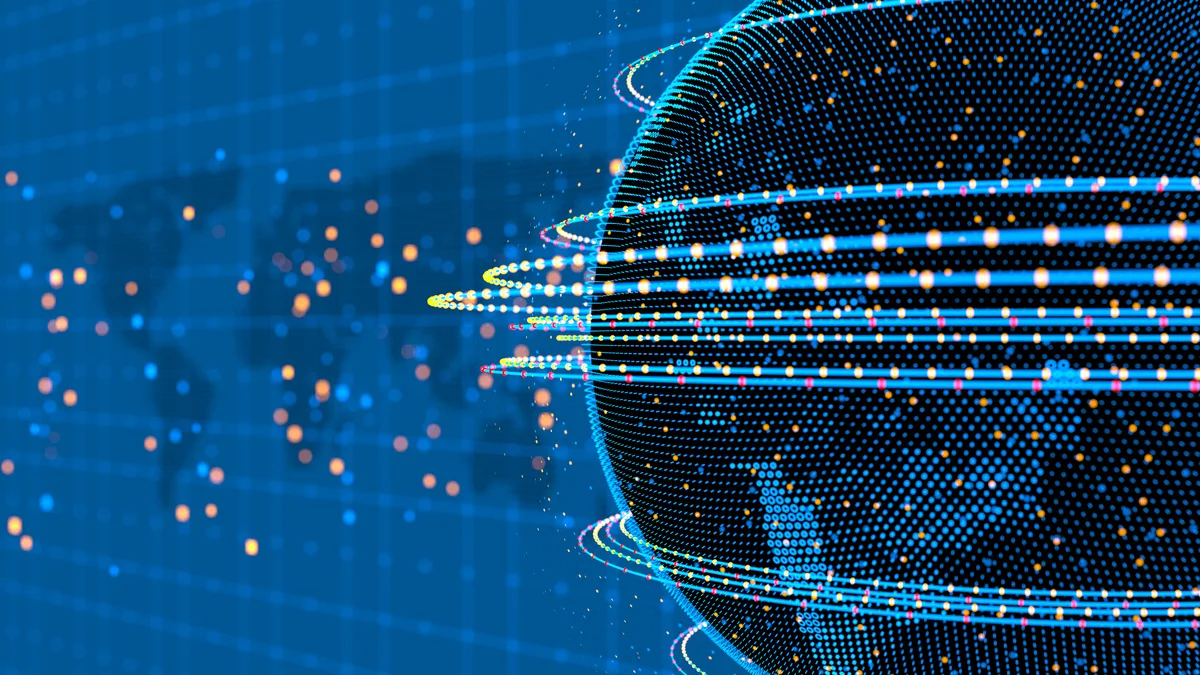
—MF3d—Getty Images The current state of paralysis when it comes to the governance of frontier AI technology is causing tangible harm today and raising the odds of catastrophe tomorrow.
That paralysis has been excused by a dangerous set of narratives: that the technology moves too fast for oversight, that companies can self-regulate, and that in a contest between the U.S. and China, public safety can wait.
Governments have struggled to give AI risks the attention they demand.
Many are wary of acting alone amid both great power rivalry and intra-industry arms race dynamics.
In this context, every call for restraint meets the same reply: why should we slow down if our competitor will not? But recent events have tested these excuses.
Over the past few months, AI agents were found hacking into other companies' databases and seeking to deceive real individuals , while researchers used AI to create new viruses for the first time.
And just last week, AI industry whistleblowers made global headlines warning that companies are “ gambling with our lives " as they rush toward self-improving models, and Anthropic revealed it blocked users who could have been seeking to design biological weapons .
It is true that there are many unknowns about the capabilities of the most powerful AI systems built to date—as well as those still under development.
But what we do know is that AI derives both its strengths and its flaws from our own human intelligence, which is what, ironically, makes strict guardrails necessary.
Its risks do not halt at any border, and no country can hold the line alone.
We cannot wait for perfect information, nor can we wait for the rivalry between great powers to soften before we act.
The need for international cooperation around AI safety is urgent and undeniable.
Between the two of us, we have spent decades driving global cooperation to address our collective challenges and risks—from chemical weapons to climate change .
We have been told before that certain dangers were too complex to control or the mistrust too deep: that the ozone layer would never recover, that smallpox would never be eradicated, that nuclear and chemical weapons could never be contained.
5News aggregated this summary from the outlet’s public feed. The full article, with all the context, is on time.com — the content belongs to TIME.