The Lesson Watergate Was Supposed to Teach
This is an edition of Time-Travel Thursdays, a journey through The Atlantic ’s archives to contextualize the present.
Sign up here.
Historians are generally better off interpreting the past than predicting the future.
By training, we’re meant to read sources, not tea leaves.
In the fall of 1973, during the middle acts of Watergate’s Shakespearean drama, Arthur M.
Schlesinger Jr. tried to do a little bit of both.
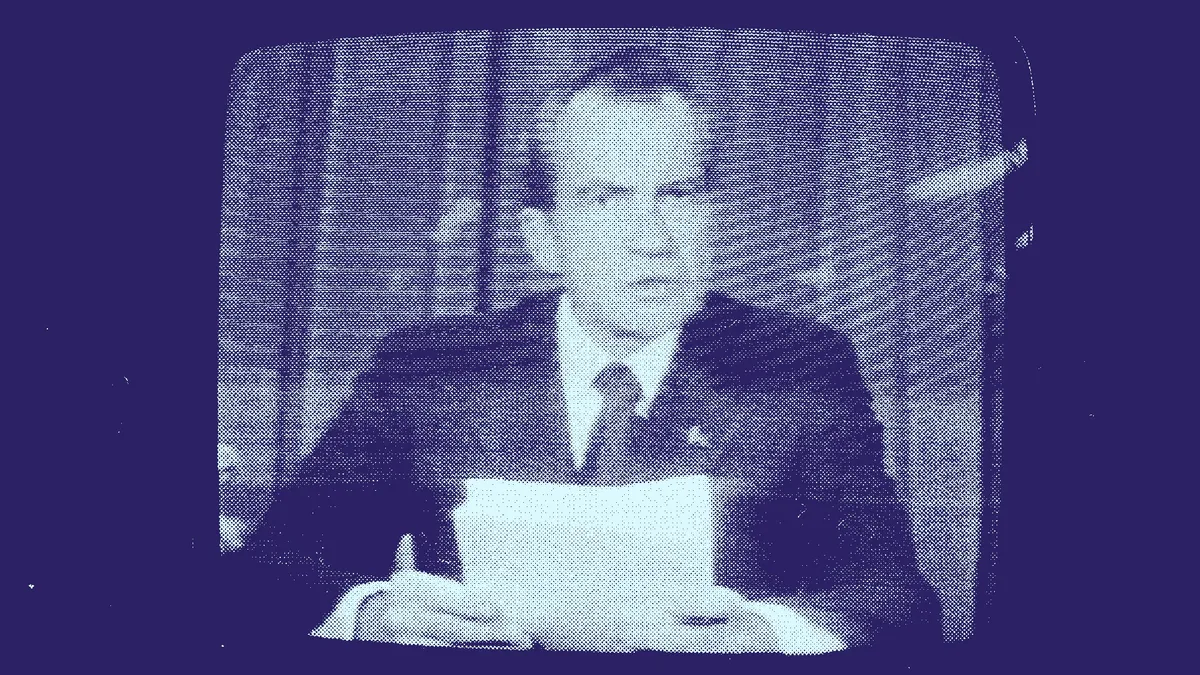
In the cover story of The Atlantic ’s November issue that year, “ The Runaway Presidency ,” Schlesinger cast President Richard Nixon’s abuses as the result of long-standing historical trends that had empowered the chief executive, and in the process offered a hopeful prognosis for what was to come.
“Watergate,” Schlesinger wrote, “is potentially the best thing to have happened to the presidency in a long time.
If the trails are followed to their end, many, many years will pass before another White House staff dares take the liberties with the Constitution and the laws the Nixon White House has taken.” Nixon resigned 52 years ago this month, marking an end to the scandal, but bringing no such catharsis to our national life and no stop to the runaway presidency.
Underscoring just how poorly Schlesinger’s optimism aged, J.
D.
Vance mused in June that “if Watergate happened tomorrow, it would be like a 12-hour news story.
The idea that it would have taken down a presidency is crazy.” As my colleague David A.
Graham noted at the time, the remark was a startling admission from a member of an administration that has taken liberties with the Constitution and the laws.
5News aggregated this summary from the outlet’s public feed. The full article, with all the context, is on www.theatlantic.com — the content belongs to The Atlantic.