The surprisingly hopeful quest to fix concrete
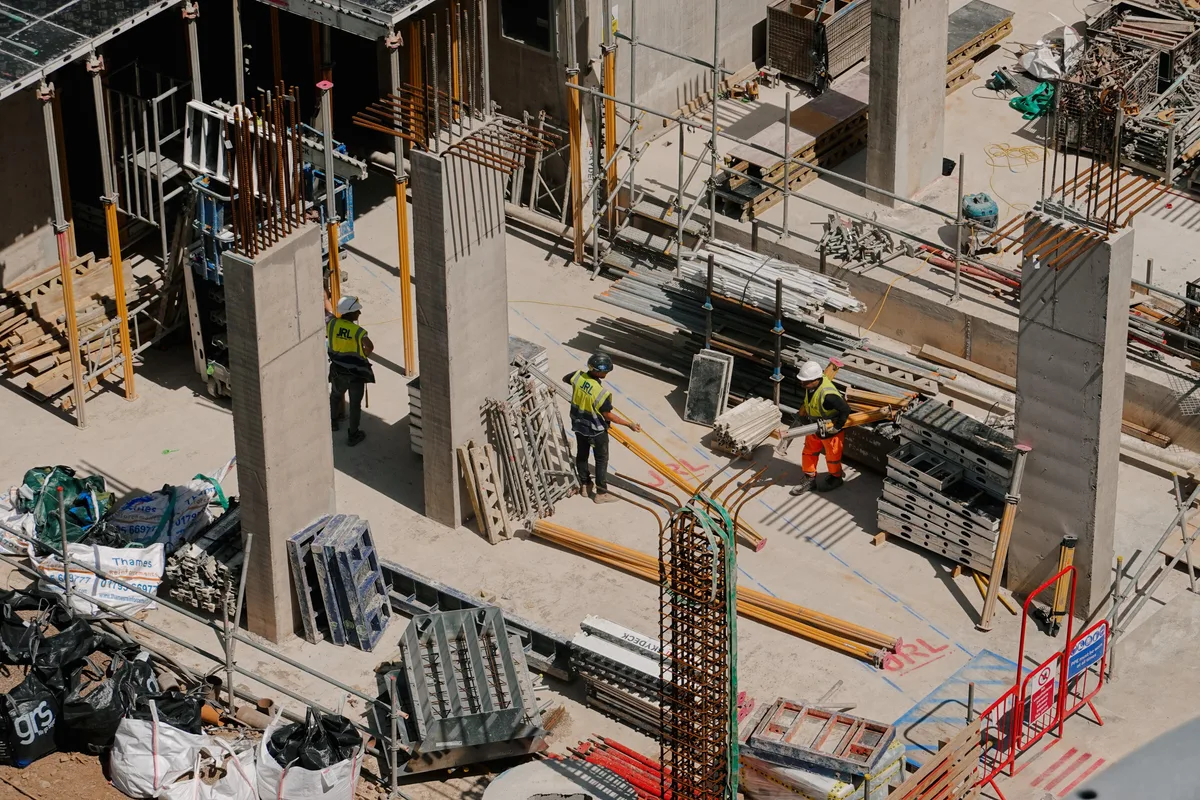
Concrete, one of the dirtiest substances ever concocted, could help save the planet | Aleksei Zotov/UCG/Universal Images Group via Getty Images No, Rome was not built in a day, but it was built at breathtaking speed, its temples, amphitheaters, and aqueducts rising with the help of a magical blend of volcanic ash and lime.
Today, that miraculous mortar has a less than enchanting name: concrete.
“Romans lived through a true architectural revolution, and at the foundation of this revolution, literally, was a concrete discovery,” said Admir Masic, a materials science professor at MIT who made waves a few years ago for unearthing the fast-hardening secret sauce for why Roman concrete is so durable .
“They were able to take a pile of dirt and mix it together, add water, and turn it into solid rock of any arbitrary size.
It literally changed everything.” And yet, for a millennia after the fall of Rome, the world largely forgot about concrete, until, in the 18th century, an English mason found that mixing limestone and clay could form a paste that hardened underwater.
Another few decades later, concrete as we now know it was reborn, and once again, it changed everything.
In the centuries since, concrete has come to reshape our way of life, with disastrous results for the climate.
What early concrete evangelists didn’t realize was that the modern way of producing the substance released giant amounts of carbon dioxide into the atmosphere.
As it has become increasingly central to modernity, it has helped fuel environmental catastrophe.
Today, however, a new generation of concretophiles like Masic have pored over the poured mixture in search of another miracle, a greener, more durable kind of concrete.
And they’ve found multiple answers, from concrete that can heal its own cracks — as the Pantheon has for millennia — to electroconductive concrete capable of storing energy to a blend that allows concrete to soak up more CO2 than it emits.
Together, they suggest that in a not-so-distant future, concrete — yes, concrete — one of the dirtiest substances ever concocted, could help save the planet, transforming our built environment while actually intervening in the climate for the better.
How concrete built (and polluted) the modern world It’s no wonder that luminaries of the neo-concrete age, Thomas Edison among them, marveled at the stuff just as their Roman predecessors had.
They saw it as a harbinger of utopia, of a world in which anything and everything — a home, an interstate highway, a water pipe, a subway system, or a grand piano — could be molded and poured for a fraction of ordinary costs.
5News aggregated this summary from the outlet’s public feed. The full article, with all the context, is on www.vox.com — the content belongs to Vox.