Estrogen Therapy May Help Protect Against Alzheimer’s Disease, Study Says
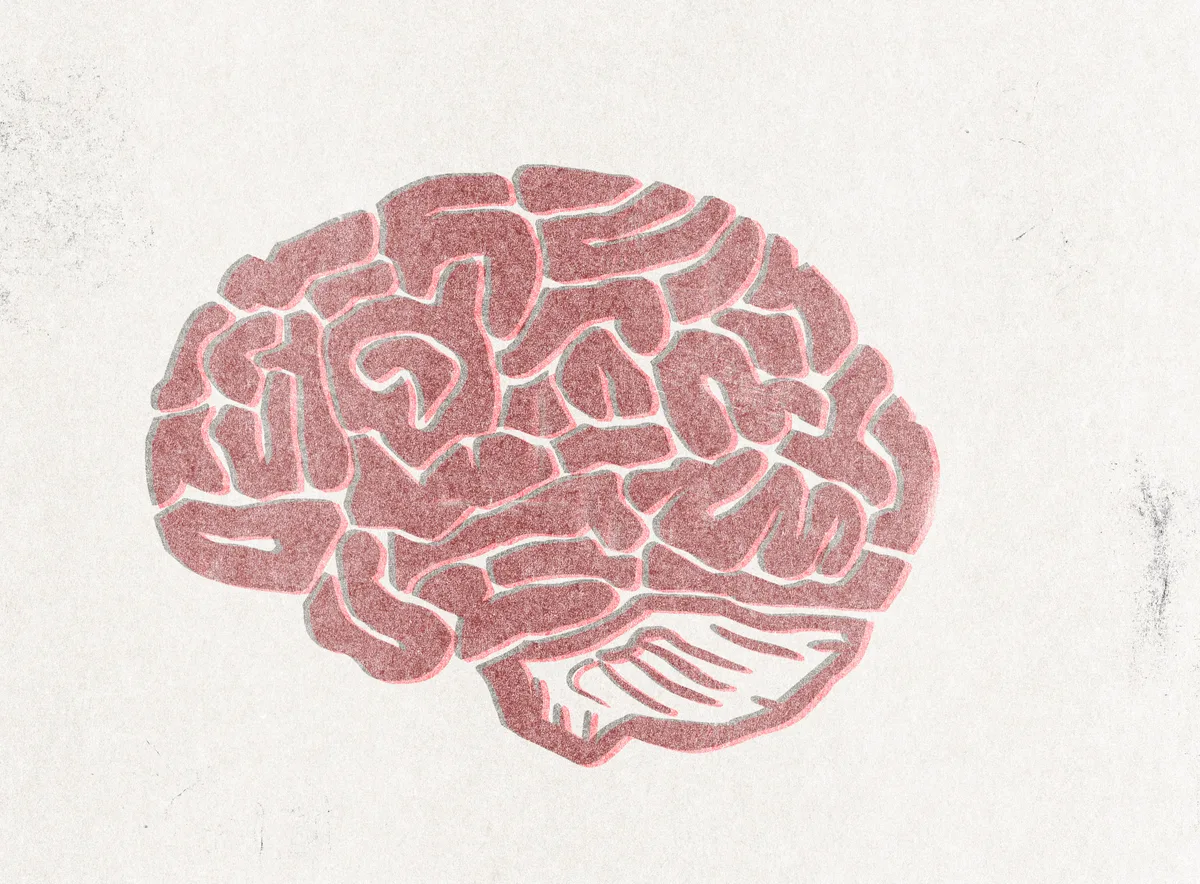
—Lucy Lambriex—Getty Images Alzheimer’s dementia is generally more prevalent in women than in men, and doctors believe that one reason why is the sudden drop in estrogen after menopause, which can affect the brain .
A new study published in Neurology seems to support this theory.
Researchers analyzed the health records of more than 5,000 older women with hysterectomies who had died and had an autopsy of their brains.
Those who had received estrogen-only hormone therapy at menopause had 35% lower odds of having the hallmarks of Alzheimer’s disease , including amyloid plaques, in their brains compared to women who did not receive estrogen.
By including the autopsy findings, the results “lend objectivity to the outcome measures,” says Jennifer Bruno, an instructor in psychiatry at Stanford University and one of the co-authors of the study.
“Previous studies used cognitive decline or clinical ratings of dementia, which are important for understanding how women are progressing through life, but are not definitive diagnoses of Alzheimer’s and therefore not objective.” Earlier studies of hormone therapy and Alzheimer’s have led to mixed results, with some suggesting a reduced risk of the neurodegenerative disorder and others finding no benefit or an increased risk.
The landmark Women’s Health Initiative hormone-therapy trial, whose initial results were released in 2002, raised a lot of concern about the safety of hormone therapy; it found that the treatment increased women's risk of breast cancer and dementia, while showing no benefit for reducing the risk of Alzheimer's.
But the study included women who were post-menopausal and used a different type of hormone replacement therapy, making it hard to generalize the results to women taking hormones during menopause.
The women in the new study were prescribed estrogen only, and not the combination of estrogen and progesterone that is more commonly used to treat menopausal symptoms.
Progesterone is prescribed to protect the uterus, but women who have had a hysterectomy, like those in the study, can safely be prescribed estrogen.
This population provides a good way to study the effects of estrogen itself, since researchers believe it’s the hormone with more wide-ranging effects on the body, including in the brain.
Hadi Hosseini, an associate professor of psychiatry at Stanford and co-author of the study, says the results don’t establish a cause-and-effect link between estrogen and Alzheimer’s disease, but they do provide a reason to further study the role of the hormone in the neurodegenerative disease.
“Previous studies," including the Women's Health Initiative, "showed that hormone therapy—estrogen plus progesterone—had a negative effect on Alzheimer’s disease risk and memory outcomes," he says.
5News aggregated this summary from the outlet’s public feed. The full article, with all the context, is on time.com — the content belongs to TIME.