What Trump’s Waiver of New Russia Sanctions Means for Ukraine
U.S.
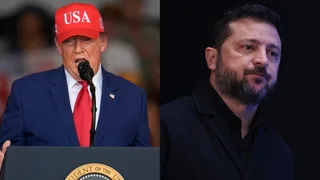
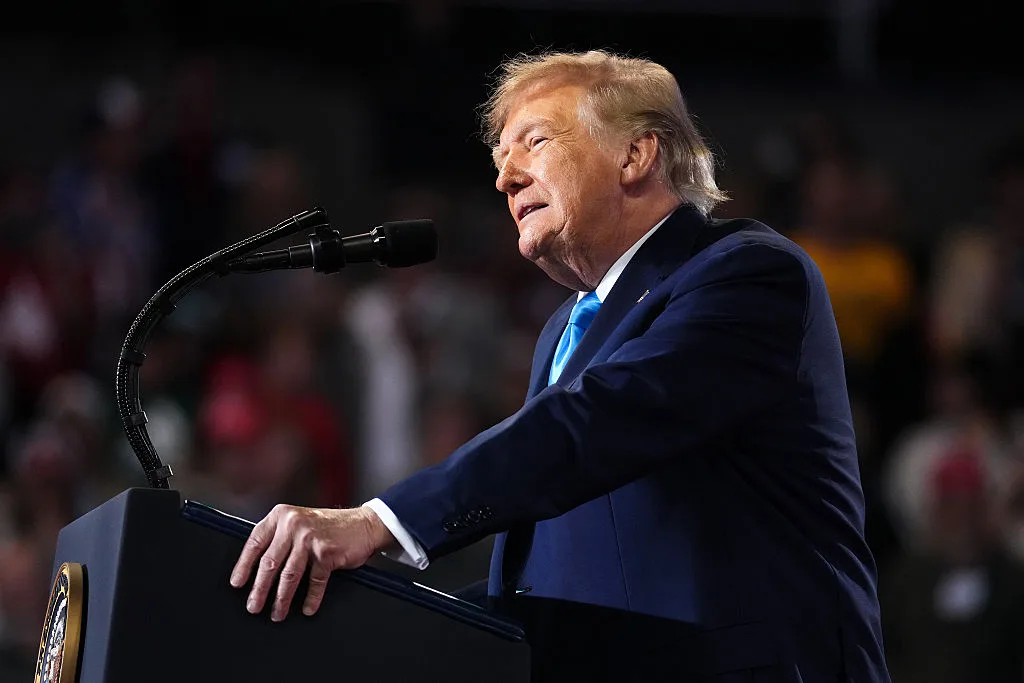
President Donald Trump delivers remarks during a midterm rally at Truist Arena on the Northern Kentucky University campus on Oct.
17, 2026 in Highland Heights, Kentucky. —Eric Lee—Getty Images President Donald Trump signed an executive order Friday that waives many of the sanctions in the Lindsey O.
Graham Sanctioning Russia and Iran Act, which Congress passed in the late senator’s name last month.
The waiver, coming a week after Trump announced a diesel deal with Russia, also underscores fraying relations between the U.S. and Ukraine.
The law, which was set to take effect Oct.
18, called for sanctions targeting Russian officials, financial institutions, and other entities, alongside tariffs of up to 100% on goods imported into the U.S. from major buyers of Russian crude oil or natural gas.
Those measures were intended to restrict the financial resources supporting Russia’s war against Ukraine.
Read More: Lawmakers Argue Trump's Russia Diesel Deal 'Violates' the Law.
Here's What Legal Experts Say The U.K.’s Foreign, Commonwealth & Development Office estimated in June 2025 that international sanctions had deprived the Russian state of at least $450 billion in war funds since February 2022, including through lost oil tax revenues and immobilized central-bank reserves.
While Trump’s waiver leaves existing sanctions in place, it blocks the additional pressure the new measures were intended to exert.
Trump has also pushed Ukraine to scale back its own campaign against Russia’s energy sector, repeatedly urging Kyiv to halt strikes on Russian fuel infrastructure and suggesting that those attacks are driving up U.S. fuel prices.
But Ukrainian strikes are only one factor affecting fuel prices; disruptions linked to the war with Iran are largely responsible for constraining global supplies, while reduced Russian refinery activity has added pressure to diesel markets.
On Oct.
5News aggregated this summary from the outlet’s public feed. The full article, with all the context, is on time.com — the content belongs to TIME.