A ‘Boring’ Democrat the Party Wants to Emulate
This is an edition of The Atlantic Daily, a newsletter that guides you through the biggest stories of the day, helps you discover new ideas, and recommends the best in culture.
Sign up for it here.
Last summer, North Carolina’s race for U.S.
Senate was expected to be among the most exciting in the 2026 cycle.
Thom Tillis, a Republican, had opted not to run for reelection.
Donald Trump had recruited Michael Whatley, the former head of the Republican National Committee, to stand in his place.
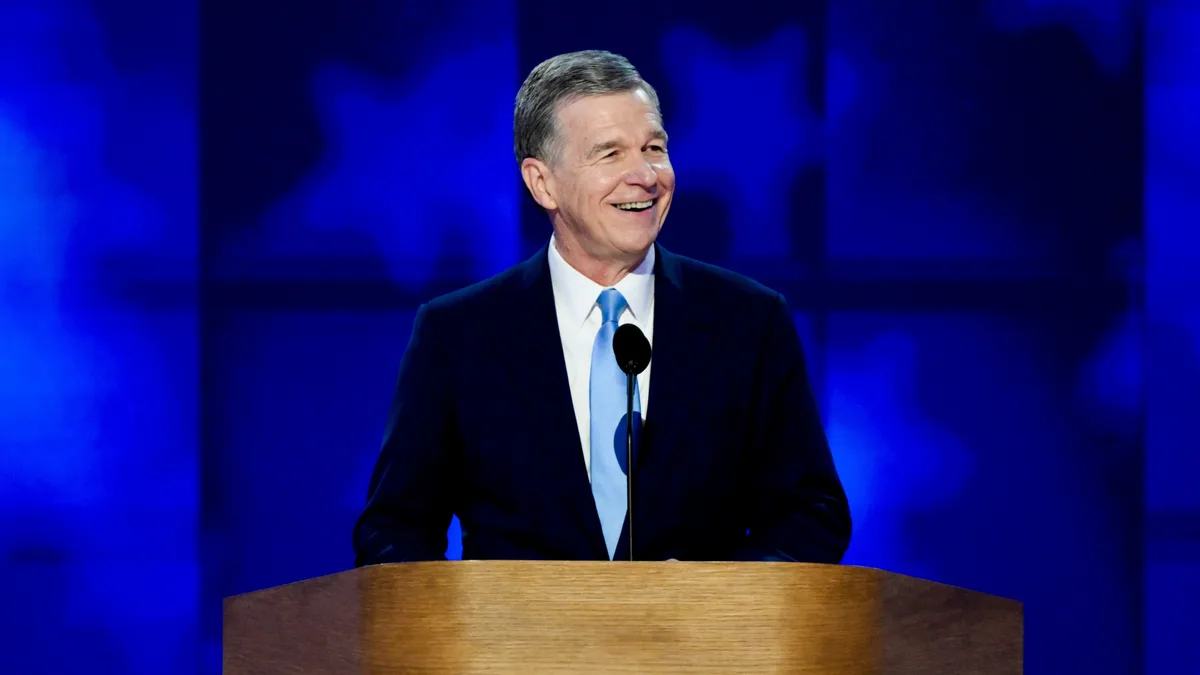
Roy Cooper, a former two-term governor, seemed like Democrats’ best and only hope to make the race competitive in a state Trump had won three times—and where no Democrat has won a Senate race since 2008.
Today, other contests are attracting more attention, and North Carolina has been a bit of a snooze.
It hasn’t yet been the billion-dollar election some observers predicted.
Whatley, a first-time candidate, has struggled to gain traction, and Cooper has gone from last hope to strong favorite.
Cooper’s team isn’t declaring victory yet.
“This is going to be a two-to-three-point race at the end of the day,” his longtime strategist, Morgan Jackson, told me.
“We know that it’s a 50–50 state and you win or lose on the margins.” But most forecasters rate the race as leaning toward a Cooper win.
As the Democratic Party struggles to define its identity in the Trump era, Cooper’s purple-state success has drawn lots of attention.
5News aggregated this summary from the outlet’s public feed. The full article, with all the context, is on www.theatlantic.com — the content belongs to The Atlantic.