OpenAI launches ChatGPT for Teens, promising a more age-appropriate chatbot

OpenAI is launching a version of ChatGPT designed for teenagers — the first generation to grow up with artificial intelligence — who are already using it for schoolwork, questions about daily life and even companionship
SAN FRANCISCO -- OpenAI is launching a version of ChatGPT designed for teenagers — the first generation to grow up with artificial intelligence — who are already using it for schoolwork, questions about daily life and even companionship.
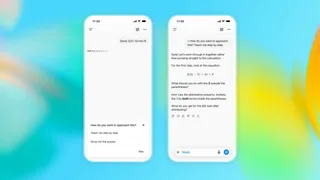
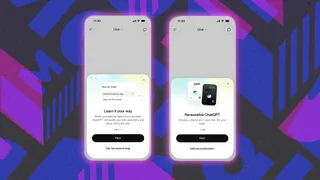
The San Francisco-based company says ChatGPT for Teens, which launches Tuesday, is tailored for kids aged 13 to 17 with stronger protections including content restrictions around things like suicide, self-harm and romantic or sexual chats. It also provides homework and study support designed to help students learn rather than spit out answers and school essays.
The idea is to guide teens toward healthy AI use in an age-appropriate environment, the company said.
“We want to treat teens like teens, which means that we have to make sure that we’re showing up with the right developmental stage when we’re not either talking down to them or treating them like kids, but we’re also making sure that they’re not exposed to material that they shouldn’t be exposed to,” said Ann O'Leary, vice president of global policy at OpenAI.
Parents, educators and child development experts have been sounding alarms over children's use of AI chatbots, which have been blamed for facilitating cheating on schoolwork and even suicide . And while even adults can fall victim to anthropomorphizing AI and developing unhealthy relationships with it, teenagers' brains are not yet fully developed and they can be particularly vulnerable.
Last year, research from a watchdog group found that ChatGPT would tell 13-year-olds how to get drunk and high, instruct them on how to conceal eating disorders and even compose a heartbreaking suicide letter to their parents if asked. In interactions with researchers posing as vulnerable teens, ChatGPT typically warned against risky activity but went on to deliver startlingly detailed and personalized plans for drug use, calorie-restricted diets or self-injury.
In the U.S., more than 70% of teens are turning to AI chatbots for companionship and half use AI companions regularly, according to a 2025 study from Common Sense Media, a group that studies and advocates for using digital media sensibly.
OpenAI CEO Sam Altman has said that the company is trying to study “emotional overreliance” on the technology, describing it last year as a “really common thing” with young people.
For users of ChatGPT for Teens, the chatbot is prevented from suggesting it has personal feelings toward the user or implying that it is conscious or experiences emotions, according to OpenAI. That's in addition to blocking romantic or sexual chats.
“We went through and identified what are the hypothetical cues that a model could give that might make a teenager kind of develop a relationship to it,” said Allison Mishkin, head of child development at OpenAI.
OpenAI doesn't verify users' ages, but it already uses age assurance to estimate if someone is under 18 based on factors such as their types of queries.
5News aggregated this summary from the outlet’s public feed. The full article, with all the context, is on abcnews.go.com — the content belongs to ABC News Technology.