Sunday, October 11, 2026 SourcesAbout🌓
🇺🇸 US ▾
BREAKING
› Dominion still has pending lawsuits against election deniers such as Rudy Giuliani and Sidney Powell› Russia is 'going backwards' in equipment and deploying post WWII-era tanks, according to Western officials› Podcast: One country musician is calling for other artists to oppose assault rifles› Bidets save you money and reduce waste — we tested the best options out there› 50+ products to make your life easier and our planet cleaner› Mother's Day is around the corner. Here are 50+ thoughtful gifts she'll love› A head-to-toe guide of how men should dress this spring, and where they should shop› 42 of the most useful travel products you can buy on Amazon› The 7 best high-yield savings accounts of April 2023› Taxes are due tomorrow. Here's how to file for an extension› Dominion still has pending lawsuits against election deniers such as Rudy Giuliani and Sidney Powell› Russia is 'going backwards' in equipment and deploying post WWII-era tanks, according to Western officials› Podcast: One country musician is calling for other artists to oppose assault rifles› Bidets save you money and reduce waste — we tested the best options out there› 50+ products to make your life easier and our planet cleaner› Mother's Day is around the corner. Here are 50+ thoughtful gifts she'll love› A head-to-toe guide of how men should dress this spring, and where they should shop› 42 of the most useful travel products you can buy on Amazon› The 7 best high-yield savings accounts of April 2023› Taxes are due tomorrow. Here's how to file for an extension
Technology

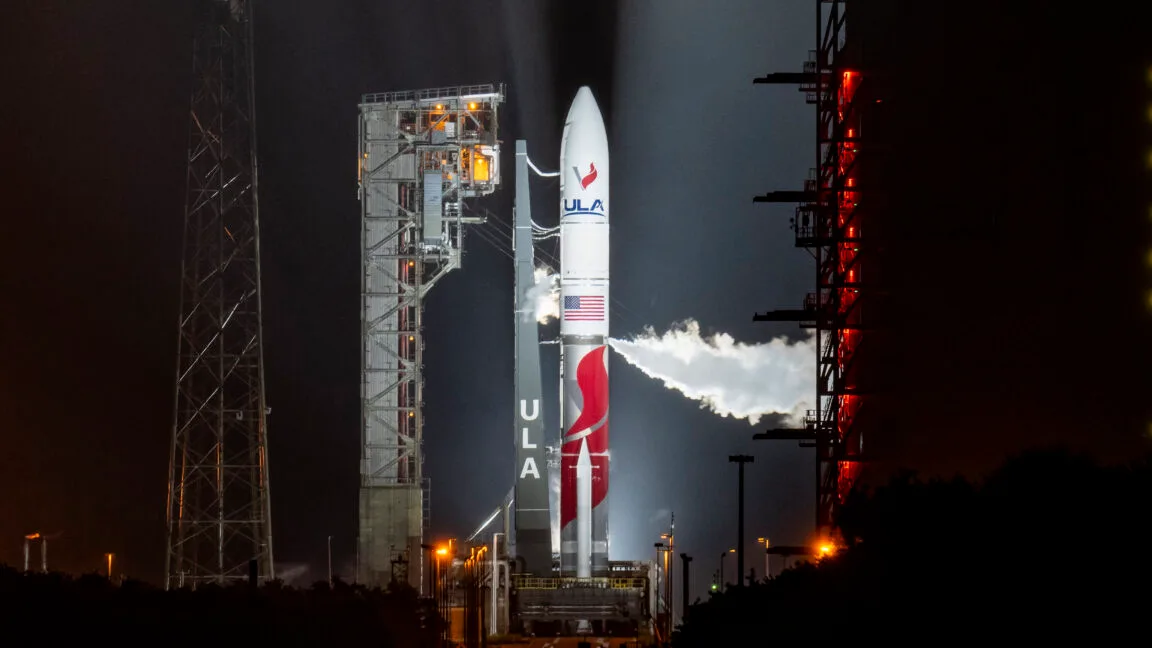
Could United Launch Alliance's money problems finally force its owners to sell?
Ars Technica ·
Could United Launch Alliance's money problems finally force its owners to sell?

Pretty much every rocket company in the United States, save one, has embraced two fundamental tenets: reusability and diversification.

Most famously, SpaceX branched out from reusable rockets to pursue and dominate a growing spectrum of space services: cargo delivery, human spaceflight, satellite production, broadband, and, perhaps soon, orbital data centers and in-space manufacturing.

Blue Origin is evolving from a pure rocket company into a satellite manufacturer, robotics developer, and, most recently, a potential competitor for SpaceX's Starlink network.

Rocket Lab used a different approach to diversify after achieving success with its small Electron launch vehicle.

The company relocated its headquarters from New Zealand to Southern California, started building spacecraft and payloads, and then went on a spree of corporate acquisitions to expand into satellite communications and take on a new role as a merchant supplier of satellite components and sensors.

It's now in a stage of advanced development of its partially reusable next-generation Neutron launch vehicle.

Read full article Comments

Read the full article on Ars Technica ›

5News aggregated this summary from the outlet’s public feed. The full article, with all the context, is on arstechnica.com — the content belongs to Ars Technica.

More from Ars Technica

See all ›

More in Technology

See all ›