Ecuador’s president tried to kill the dollar. Here’s what that means for Venezuela, Argentina and the Rest of Latin America
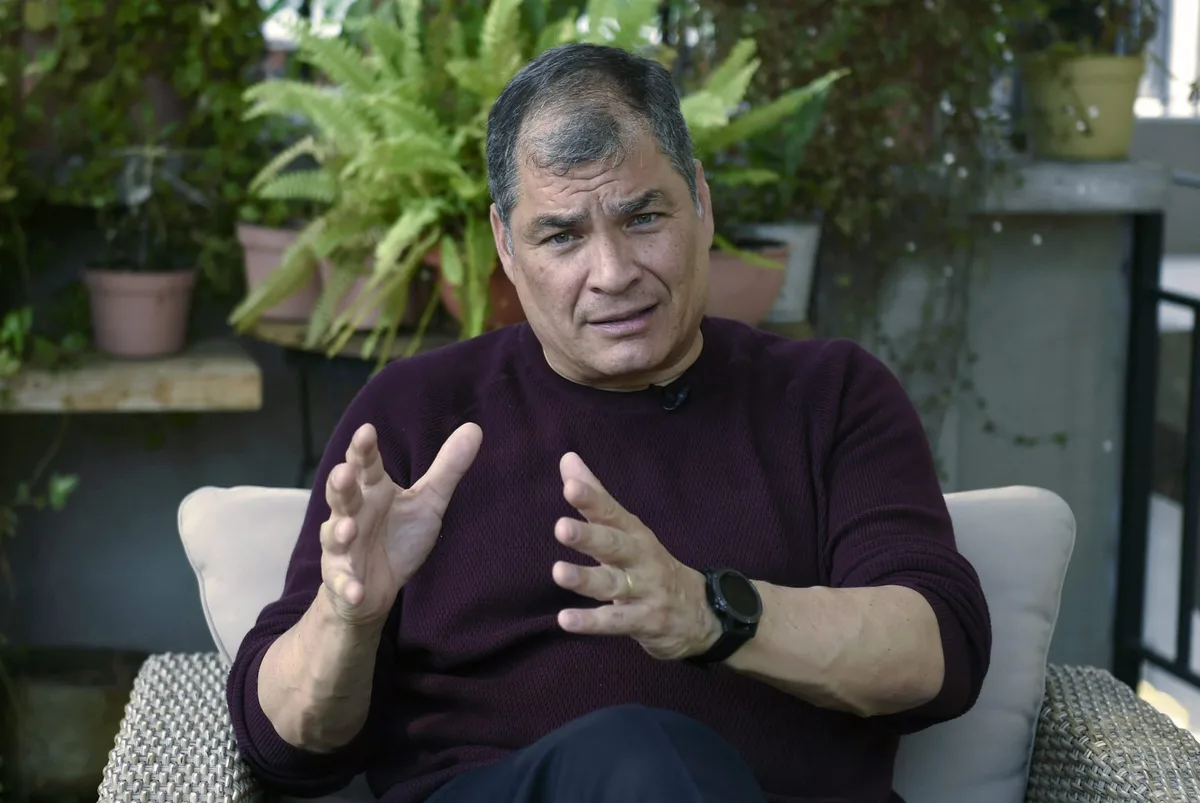
Ecuador’s experience with dollarization matters beyond Quito.
The possibility of mothballing local currencies and replacing them with the dollar is a hot topic in Latin America.
It’s also on the agenda in Washington, D.C., where there is renewed interest in promoting the use of the greenback.
Ecuador is an ideal natural experiment in how a dollarized system holds up against a hostile government.
Rafael Correa, who holds a PhD in economics from the University of Illinois, opposed dollarization before it was adopted in Ecuador and before he became president.
He led the country for a decade but could not dismantle Ecuador’s dollarized system because it produced excellent results and garnered widespread public support.
The collapse In 1999, Ecuador’s sucre began a catastrophic plunge.
At the end of 1998, it traded at 6,825 sucres to the U.S. dollar.
By the end of 1999, it had plunged to 20,243 sucres to the dollar, losing two-thirds of its value against the greenback in one year.
The losses did not stop there.
During the first week of 2000, the sucre shed another 27.7% and hit an all-time low of 28,000 to the dollar.
Faced with a currency in free fall, a banking crisis, and an imploding economy, President Jamil Mahuad announced on January 9, 2000, that Ecuador would replace the sucre with the dollar at 25,000 sucres to the dollar.
President Bill Clinton and Treasury Secretary Lawrence Summers had encouraged the move.
Dollarization worked.
5News aggregated this summary from the outlet’s public feed. The full article, with all the context, is on fortune.com — the content belongs to Fortune.