Family Matters: The Secret History Behind Why Vincent van Gogh Cut Off His Ear
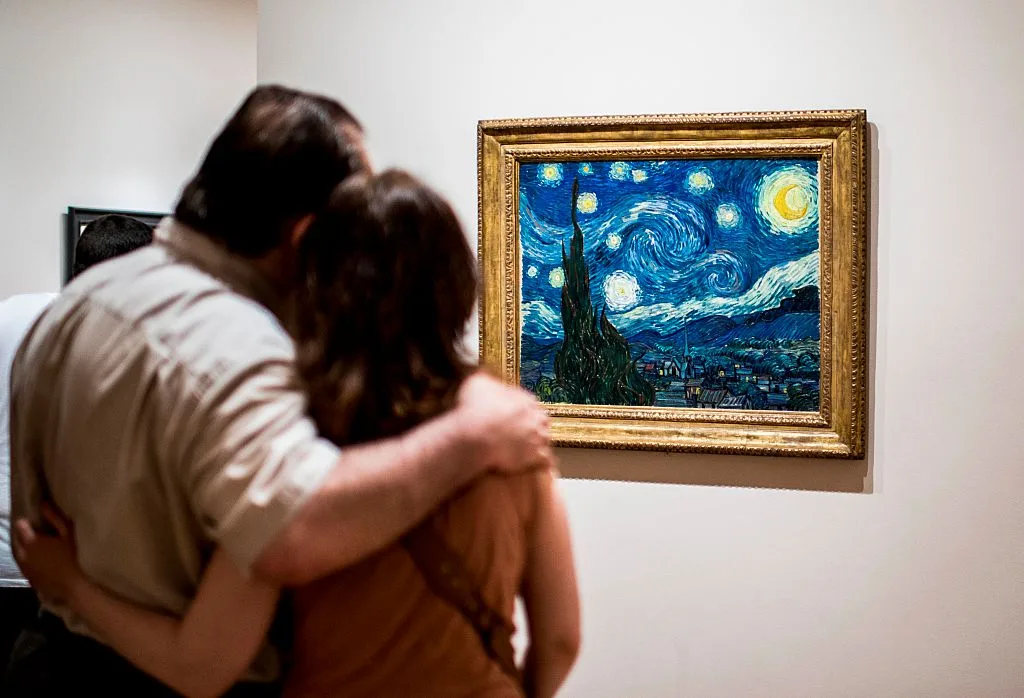
After riding a series of escalators to the fifth floor of New York’s Museum of Modern Art, I stepped into a gallery where, on display, were a dozen paintings and lithographs by late-nineteenth and early twentieth-century artists, including Pablo Picasso, Paul Cézanne, and Georges Seurat.
But most visitors were gathered around one explosively colorful painting in swirling shades of light and dark blue, bottle green, and pale gold.
Instantly recognizable.
One of the most famous paintings in the world.
The Starry Night by Vincent van Gogh.
These were the early days of my research about a little-known woman who is key to shedding light on three inevitable questions when it comes to Vincent van Gogh.
Why did he cut off his ear? Why did he commit suicide? And how, after dying in obscurity, did he eventually become regarded as one of the world’s greatest artists? Gauging Van Gogh Watching and talking to people as they engaged with this particular masterpiece seemed an apropos way to gauge the interest of Van Gogh lovers.
I, for one, could remember, as a child, first seeing The Starry Night reprinted in one of my parents’ art history books.
It was my modern art “aha” moment.
No one was standing over my shoulder telling me to pay it special attention, but I was mesmerized.
The painting became imprinted on my young imagination, and I never forgot it.
As I observed the gallery, I quickly learned my reaction is hardly unique.
A man from Southern California named Paul Duelo was laughing.
“I know this painting, and I don’t know anything about art,” he said with a chuckle, nodding at the crowd standing around The Starry Night .
5News aggregated this summary from the outlet’s public feed. The full article, with all the context, is on time.com — the content belongs to TIME.