Biden’s favor to Trump on cheaper drug prices includes a largely forgotten law to make Medicare more powerful
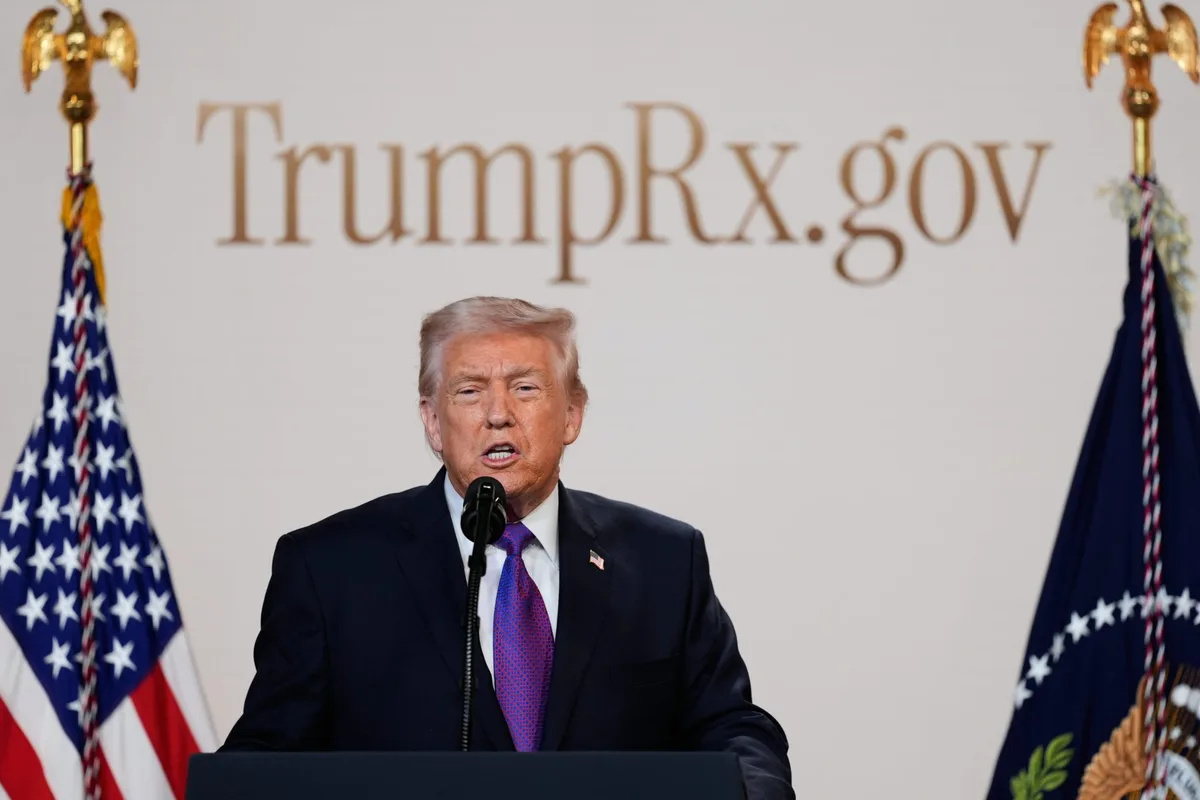
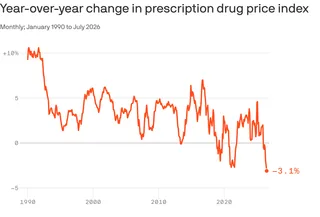
President Donald Trump has been taking credit for new federal data that shows U.S. prescription drug prices fell 0.8% in July and are down 3.1% from a year ago , the steepest year-over-year drop since 1963.
The plunging prices, the White House said, resulted from the Republican president’s “most favored nation” drug deals with pharmaceutical firms and the TrumpRx website , which it said are “delivering real relief to American families and putting patients first.” The real picture is more complicated, said drug pricing experts, who noted that other factors, including a law from Democratic President Joe Biden’s time in office that allowed Medicare to negotiate with pharmaceutical companies, are potentially more significant contributors to the latest consumer price index figures.
Also at play, they said, are generic and biosimilar products that have come onto the market, offering competition that drives down the price of expensive brand-name and biologic drugs.
In addition, the prescription drug price index measured by the Labor Department and released last week doesn’t directly reflect how much consumers pay — it measures how much pharmacies get paid for the drugs, both by insurers and consumers.
“It’s difficult to know in one number what’s going on beneath the hood,” said Juliette Cubanski, a vice president and director of the Program on Medicare Policy at the healthcare research nonprofit KFF.
“I don’t think we can attribute this price reduction to any one specific policy change or initiative.” Here’s what to know about the decline in prescription drug prices: Competition and policy both contribute to changing prices Drug pricing experts said both market competition and various policy changes have influenced prescription drug prices in recent years.
On the market side, “when big blockbuster products face generic competition, their prices fall,” said Dr.
Benjamin Rome, a health policy researcher at Harvard Medical School.
For example, he said, various biosimilar drugs have arrived on the market to treat the same autoimmune conditions as the brand-name drug Humira, offering similar treatment at a lower cost.
Similarly, competition has led to price reductions for Stelara, a popular biologic medicine that treats chronic inflammatory conditions, said Stacie Dusetzina, a professor of health policy at Vanderbilt University School of Medicine.
Biden-era federal policies also likely played a role — most notably the 2022 Inflation Reduction Act , which for the first time allowed Medicare to haggle with drugmakers over the cost of the top-selling prescription drugs in the program.
New prices for the first 10 of those negotiated drugs launched in January, a change Cubanski, Rome and Dusetzina all said likely made an impact on aggregate prices.
5News aggregated this summary from the outlet’s public feed. The full article, with all the context, is on fortune.com — the content belongs to Fortune.