E. coli, Salmonella, Cyclospora: Is the U.S. Seeing a Surge in Foodborne Illnesses?
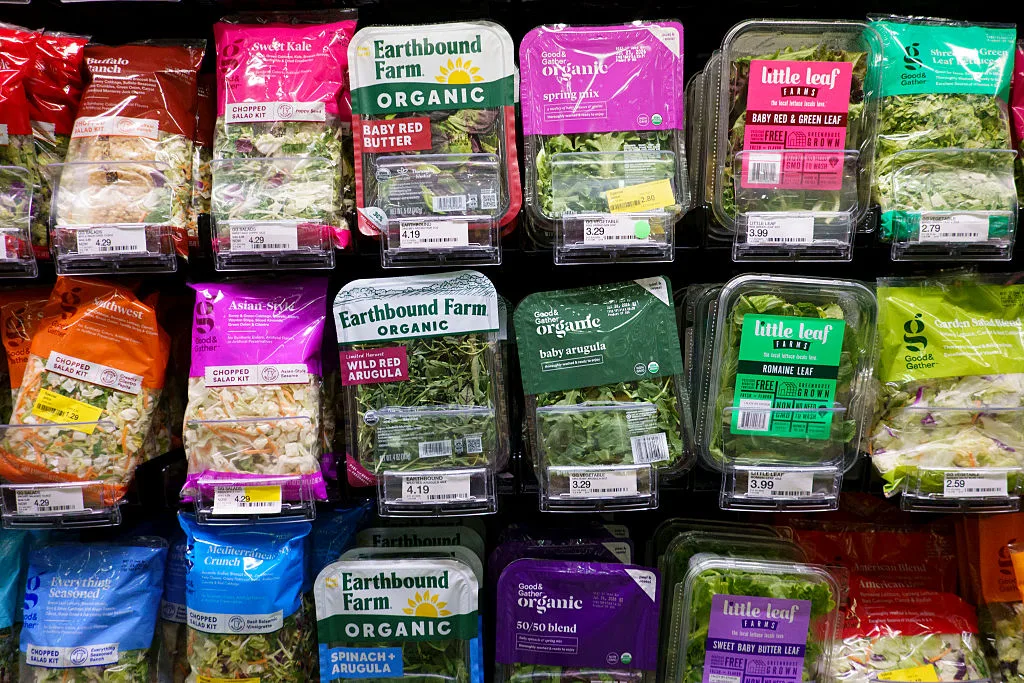
Packaged salad mixes are displayed in the refrigerated produce section of a Target store on July 22, 2026, in Washington, DC. —Kevin Carter—Getty Images This summer, it’s been hard for consumers to know what to put in their grocery cart.
Recalls have affected hundreds of products, including lettuce , which was linked to a Cyclospora outbreak; eggs and jalapenos that were connected with salmonella; and blueberries that were potentially contaminated with E. coli .
These incidents have left shoppers across the United States wondering whether this summer has been a particularly bad one for foodborne illnesses.
Here’s what to know—and why consumers may be perceiving a greater number of outbreaks than usual, despite what the data shows.
Read More: What Food Safety Experts Are Eating During the Cyclospora Outbreak The number of food recalls are about average, but a few have been unusually severe According to federal data , the number of food recalls regulated by the U.S.
Food and Drug Administration (FDA) is relatively on par with an average year.
So far, there have been 483 recalls in this fiscal year (Oct.
1, 2025 through Sept.
30, 2026), with a projected total of 551 by the end of October.
In the past decade, the U.S. has seen a range of 400-800 annual recalls.
But what stands out in 2026 is the severity of some of the outbreaks caused by contaminated food this year.
“I don't know that I would necessarily say there are more outbreaks,” says Janet Hamilton, the executive director of the Council of State and Territorial Epidemiologists.
“However, what I would say is the scale and magnitude of outbreaks that we're facing right now are unprecedented.
It's like we're being eclipsed by the scale and magnitude of these outbreaks with the staffing levels that we have.” The summer’s Cyclospora outbreak linked to iceberg lettuce alone sickened more than 10,000 people, caused over 400 hospitalizations , and led to at least two deaths , according to the U.S.
5News aggregated this summary from the outlet’s public feed. The full article, with all the context, is on time.com — the content belongs to TIME.