You Don’t Need 10,000 Steps to Help Your Heart
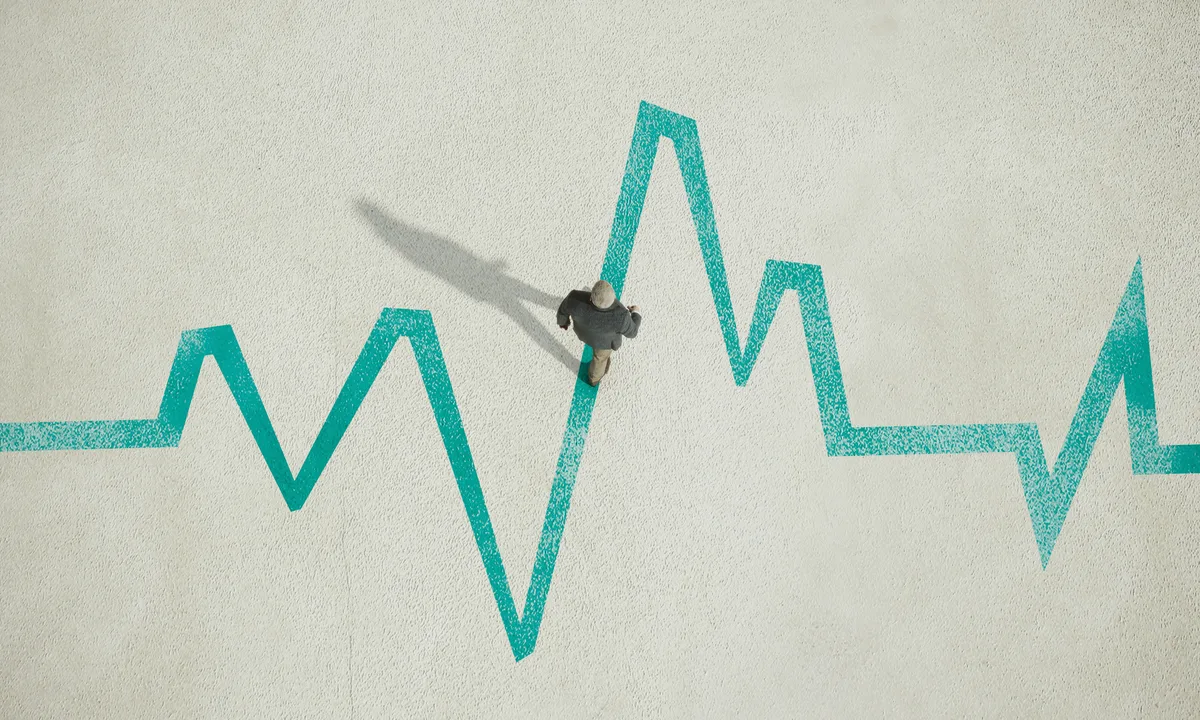
—Eoneren—Getty Images We all know that exercise is good for your health .
But, the other side of this equation is often overlooked: a lack of exercise , or physical inactivity , is a major health risk.
One of the first landmark studies that recognized this fact was conducted more than 70 years ago.
In the 1950s, epidemiologist Jeremy Morris studied more than 30,000 employees of the London transportation system.
He observed that bus drivers who sat all day behind the wheel had a higher risk of developing coronary heart disease than conductors who walked up and down the aisles and stairs collecting fares.
This natural experiment fundamentally changed how we think about activity for the prevention of heart disease .
Since then, the evidence to support physical activity for better cardiovascular health has grown substantially.
Regular physical activity lowers the risk of heart disease, stroke, and diabetes, and has been linked to longer lives and healthier aging.
These data are strong enough that the American Heart Association names physical activity one of the eight key things you can do for better cardiovascular health.
That group, and the federal physical activity guidelines , both recommend at least 150 minutes each week of moderate intensity exercise, along with at least two days per week of muscle-strengthening activities.
Despite the accumulation of decades of evidence, physical inactivity remains one of our greatest public-health challenges.
According to the American Heart Association’s 2026 Heart Disease and Stroke Statistics report, which my colleagues and I recently published in Circulation , fewer than half of U.S. adults achieve the recommended amount of aerobic activity, and only one in five achieve recommended targets for combining aerobic and muscle-strength training activities.
As we have modernized our lives and jobs with screens and desks , the “bus driver” problem that Morris identified several decades ago has become even more common.
Physical inactivity now contributes to millions of deaths worldwide each year.
5News aggregated this summary from the outlet’s public feed. The full article, with all the context, is on time.com — the content belongs to TIME.