Common bedroom mistake could be quietly taking a toll on your health, experts say
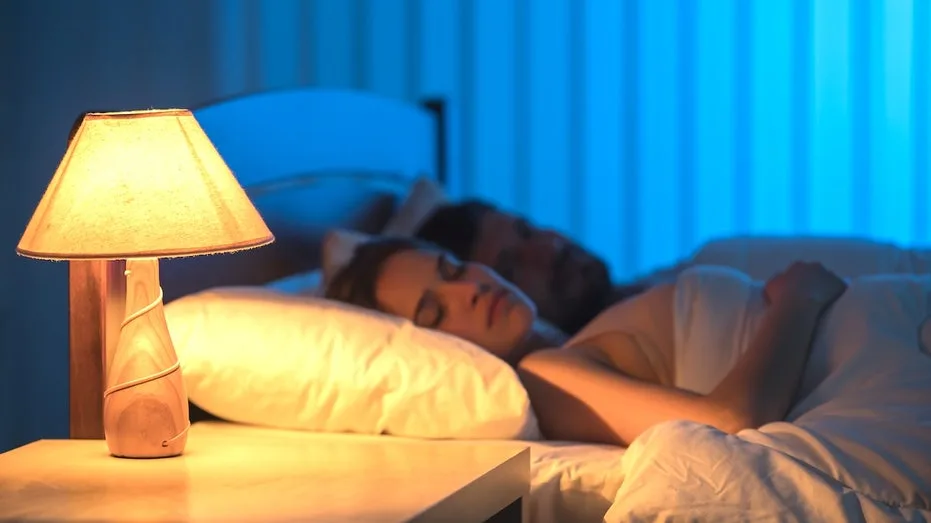
A new study from Tulane University is raising fresh concerns about sleeping with a light on, linking nighttime light exposure to a higher risk of cardiovascular disease.
Researchers found that exposure to more than 3 lux of light — roughly the brightness of moonlight — was associated with increased risks of heart failure , atrial fibrillation (irregular and often very rapid heart rhythm), heart attack, stroke and cardiovascular death.
Experts spoke with Fox News Digital about the potential risks associated with sleeping with a nightlight.
THE DAYTIME HABIT THAT COULD TRANSFORM YOUR SLEEP, ACCORDING TO NEW STUDY Sleep is partially controlled by the circadian rhythm, the brain’s internal 24-hour clock that regulates sleep and wakefulness, according to sleep expert and neuroscientist Chelsie Rohrscheib, Ph.D., a sleep expert and neuroscientist based in Michigan.
"The circadian rhythm is strongly influenced by light entering the eyes – light exposure signals the brain to suppress melatonin production, a hormone that helps regulate the timing of sleep, while low light levels signal the brain to produce more melatonin," she told Fox News Digital.
DIETITIAN REVEALS SIMPLE EATING STRATEGY FOR BETTER SLEEP — AND ONE HABIT TO AVOID "As melatonin levels rise in the evening, they help prepare the brain and body for sleep.
Light pollution from various sources in our bedroom can trick the brain into producing less melatonin, which can negatively impact sleep quality ." Consistent light exposure will chronically reduce overall sleep quality, Rohrscheib warned.
"Sleep plays an essential role in many biological processes, including body and brain restoration, hormone release , immune system functioning, cognitive processes such as memory consolidation, brain waste clearance and metabolic regulation," she said.
FINDING THE SLEEP 'SWEET SPOT' COULD HELP YOU LIVE LONGER, STUDY SUGGESTS "When sleep is consistently poor, these processes do not function optimally, which in turn elevates the risk for many chronic health conditions such as hypertension, cardiovascular disease, stroke, type 2 diabetes , obesity, neurodegenerative diseases, certain cancers and mood disorders." A 2022 Northwestern Medicine study found that just one night of sleeping with moderate light exposure (100 lux) disrupted glucose regulation while increasing heart rate and sympathetic nervous system activity, as reflected by reduced heart rate variability (HRV), Rohrscheib noted.
MORE NAPS, HIGHER RISK? RESEARCH LINKS DAYTIME SLEEP TO HEALTH WARNINGS IN AGING ADULTS Sleep impairment is also linked to increased risk of mortality, according to Ashley Curtis, PhD, sleep researcher and assistant professor at the University of South Florida College of Nursing.
5News aggregated this summary from the outlet’s public feed. The full article, with all the context, is on www.foxnews.com — the content belongs to Fox News Health.