Scientists just discovered a big limitation in lab-grown minibrains — they have a skewed 'sense of time'
The brain develops in stages, and it's important that certain cells form before others so that precise neural connections can emerge later.
But miniature models of the brain, called organoids, may not share this same sense of time, a new study finds.
These brain organoids are clusters of lab-grown neurons that mimic structural and functional aspects of full-size brains.
Some scientists use these "minibrains" to study brain disorders that can arise during fetal development.
If the precisely timed processes involved in brain development go wrong, it can lead to conditions like macrocephaly and microcephaly in which the brain grows abnormally large or small, said study co-author Simon Hippenmeyer , a neuroscientist at the Institute of Science and Technology Austria.
Because it's not possible to directly study these conditions in human fetuses, scientists like Hippenmeyer turn to brain organoids.
But the new study, published Aug.
12 in the journal Nature , suggests that organoids may be missing some crucial ingredients that would help them resemble real brains.
A matter of time In earlier experiments in mice , Hippenmeyer's team tracked the stem cells that make neurons, called radial glial progenitors (RGPs), during early embryonic development.
They did this by giving pregnant mice a drug that activated fluorescent labels on individual stem cells.
Then, they traced the resulting lineages of those stem cells after birth to see how many cells they produced and how that number changed as development progressed.
In the new study, they used that data as a reference to compare with brain organoids grown from mouse embryonic stem cells.
They aimed to see if the developmental sequence in the organoids resembled that in the real brains.
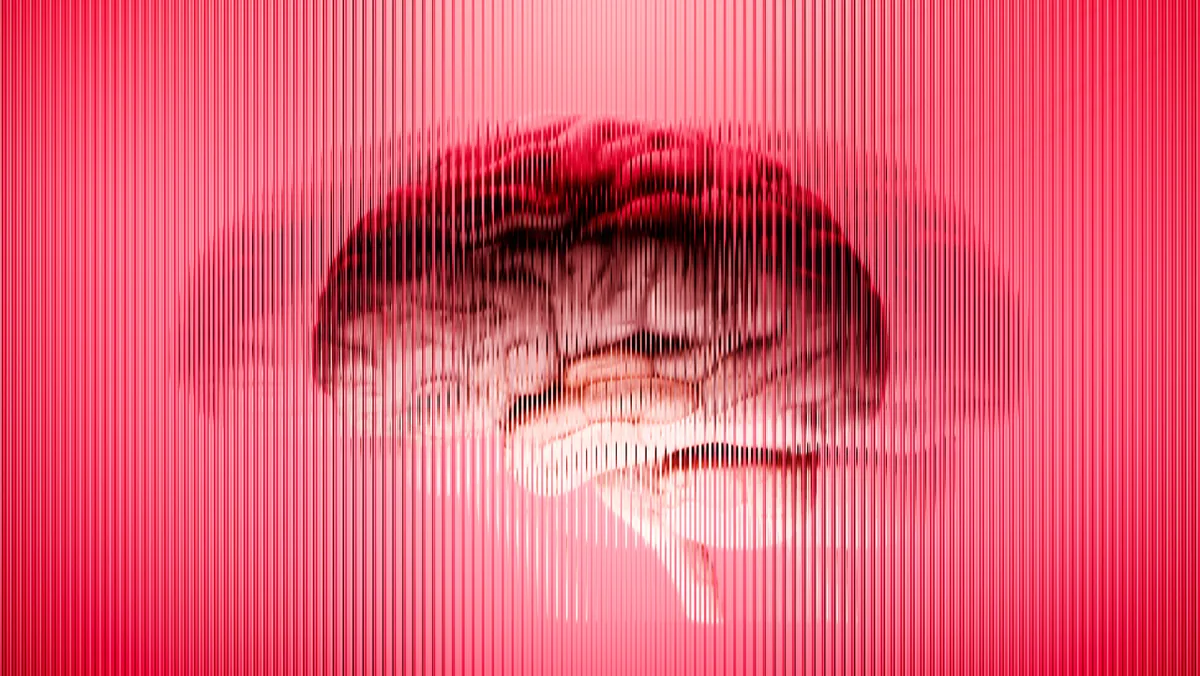
The researchers tracked how neurons developed in embryonic mouse brains and then compared those findings to what they observed in brain organoids. (Image credit: JUAN GAERTNER/SCIENCE PHOTO LIBRARY via Getty Images) The organoids produced the same major types of cells as the real brain did, the team found.
5News aggregated this summary from the outlet’s public feed. The full article, with all the context, is on www.livescience.com — the content belongs to Live Science.