Thursday, October 8, 2026 SourcesAbout🌓
🇺🇸 US ▾
BREAKING
› Russia is 'going backwards' in equipment and deploying post WWII-era tanks, according to Western officials› Podcast: One country musician is calling for other artists to oppose assault rifles› Bidets save you money and reduce waste — we tested the best options out there› 50+ products to make your life easier and our planet cleaner› Mother's Day is around the corner. Here are 50+ thoughtful gifts she'll love› A head-to-toe guide of how men should dress this spring, and where they should shop› 42 of the most useful travel products you can buy on Amazon› The 7 best high-yield savings accounts of April 2023› Taxes are due tomorrow. Here's how to file for an extension› Composting is an easy way to reduce food waste. Here's how to do it› Russia is 'going backwards' in equipment and deploying post WWII-era tanks, according to Western officials› Podcast: One country musician is calling for other artists to oppose assault rifles› Bidets save you money and reduce waste — we tested the best options out there› 50+ products to make your life easier and our planet cleaner› Mother's Day is around the corner. Here are 50+ thoughtful gifts she'll love› A head-to-toe guide of how men should dress this spring, and where they should shop› 42 of the most useful travel products you can buy on Amazon› The 7 best high-yield savings accounts of April 2023› Taxes are due tomorrow. Here's how to file for an extension› Composting is an easy way to reduce food waste. Here's how to do it
Science

Scientists win chemistry Nobel for discoveries about mirrored molecules that led to many drugs
NPR Science ·
Scientists win chemistry Nobel for discoveries about mirrored molecules that led to many drugs

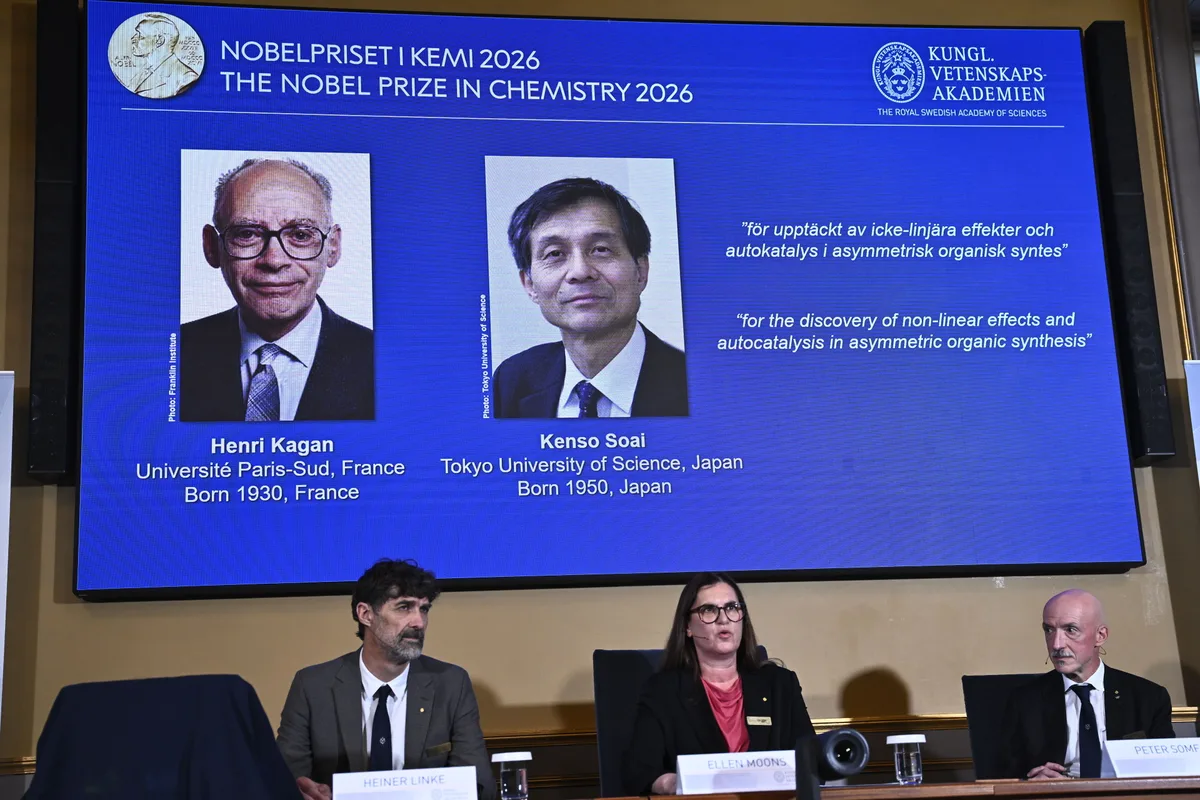
Scientists Henri B.

Kagan and Kenso Soai won the Nobel Prize in chemistry for untangling mysterious mirror images in molecules, a discovery that has been used to develop countless drugs. (Image credit: Fredrik Sandberg)

Read the full article on NPR Science ›

5News aggregated this summary from the outlet’s public feed. The full article, with all the context, is on www.npr.org — the content belongs to NPR Science.

More from NPR Science

See all ›

More in Science

See all ›