Meta’s $17 billion child-safety settlement is the biggest tech payout ever—or 3x what it paid to acquihire a 28-year-old AI superstar
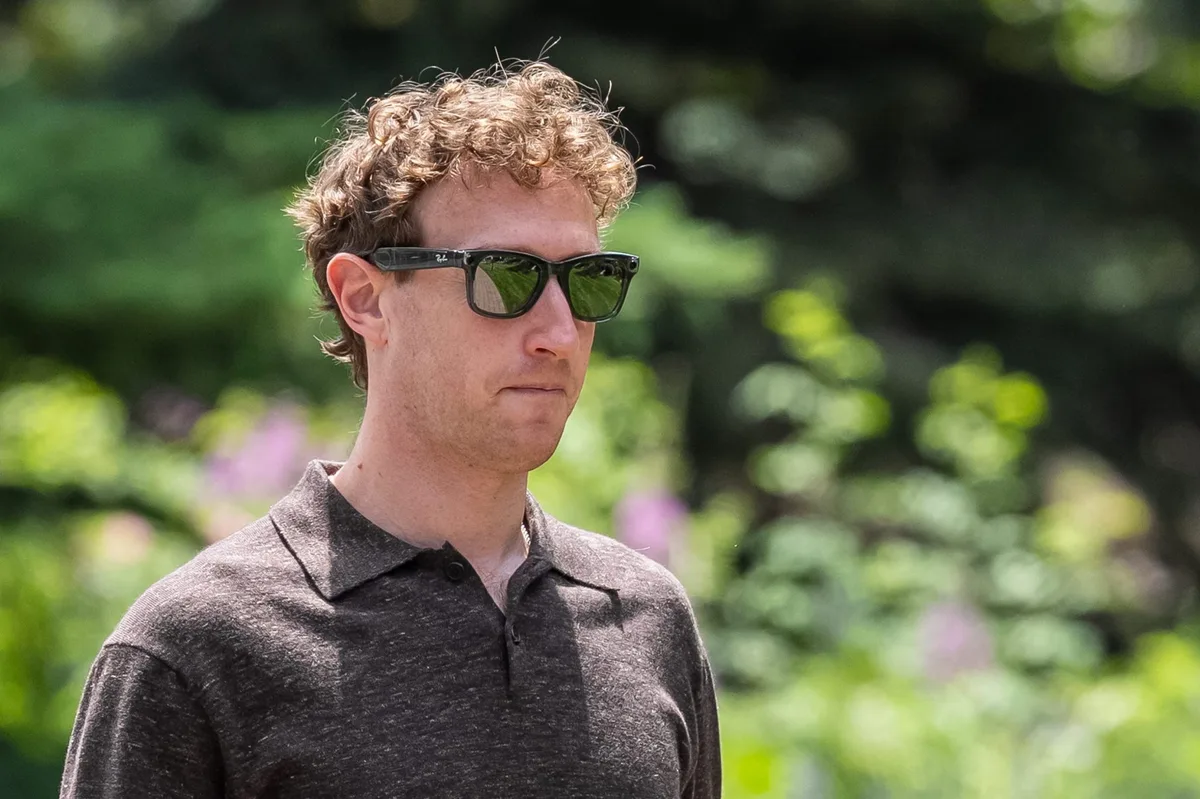
Meta Platforms agreed Wednesday to pay up to $17.1 billion to settle a landmark lawsuit brought by 29 states alleging the company deliberately engineered Facebook and Instagram to be addictive to children, marking the largest single settlement in the company’s history and the biggest tech-industry payout ever recorded in a single case.
Meta’s press release put the settlement at $18 billion, but even the more conservative $17.1 billion figure other states cited is still big enough to eclipse one of Silicon Valley’s biggest AI bets of the past year.
To put it in perspective, the $17.1 billion number is a little more than three times the roughly $5 billion personal stake that Alexandr Wang held in Scale AI, a data-labeling company that supplies the human-annotated training data AI models are built on.
Last year, Meta paid $14.3 billion for a 49% stake in the company last year and brought in Wang to lead its AI efforts of its new Superintelligence Labs, reporting directly to Mark Zuckerberg.
Put simply: the fine for allegedly hooking kids on Meta’s apps costs about three Alexandr Wangs.
For additional context, the company posted $60.46 billion in net income on $200.97 billion in revenue for full-year 2025 , meaning the settlement equals roughly 27% of one year’s profit and about 8% of annual revenue.
Meta has continued to spend aggressively even as its legal exposure mounted: the company raised its 2026 capital expenditure guidance to as much as $145 billion, driven largely by its AI buildout.
The company denied wrongdoing and it previously argued the states’ financial demands were “ vastly disproportionate ,” and in pretrial filings warned that the states’ own damages framework could theoretically produce penalties as high as $1.4 trillion —a figure close to Meta’s entire market capitalization.
The states’ lawyers had signaled roughly $200 billion was a more realistic target at trial.
Averting a landmark trial To put it in perspective, the settlement’s most unusual feature is that roughly $5 billion of the total isn’t guaranteed.
Meta’s own announcement puts the total at $18 billion, with states receiving approximately 70%, or $12.7 billion, in annual installments over 10 years regardless of what happens elsewhere in the industry.
The remaining 30%, roughly $5.3 billion, is released only if two conditions are met: TikTok and YouTube adopt matching daily time limits, night mode restrictions and age-verification measures, and each of those companies pays a matching sum, split evenly against the contingent pool.
Some state attorneys general have cited a slightly lower total, $17.1 billion, built on a similar guaranteed-plus-contingent structure—a roughly $12.1 billion floor plus an additional $5 billion contingent on the same industry-wide adoption.
5News aggregated this summary from the outlet’s public feed. The full article, with all the context, is on fortune.com — the content belongs to Fortune.


