What Might Happen to Trump’s Ill-Gotten Gains
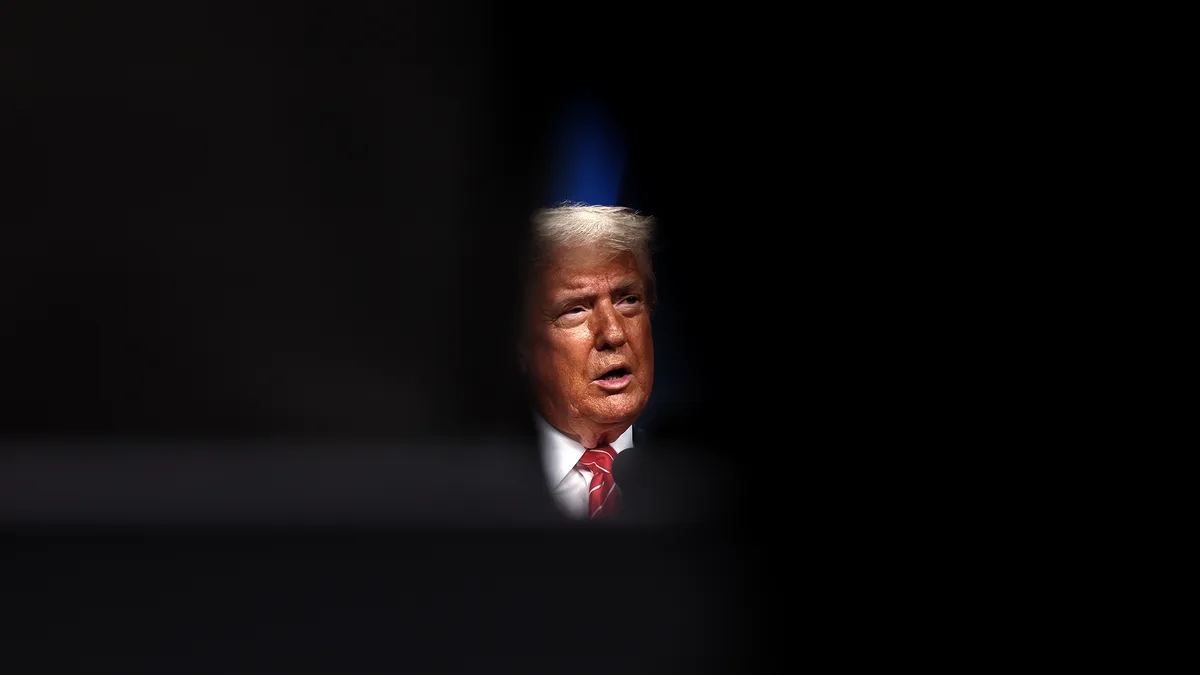
Americans are not accustomed to learning lessons about democracy from Nigeria, Peru, or the Philippines.
That disregard may soon change.
Those countries offer examples of what it looks like to reclaim stolen or swindled wealth from fallen authoritarian rulers.
Done right, this work can deliver justice and strengthen democratic institutions for the long run.
But cleaning up after a corrupt regime also comes with serious challenges and hazards.
The Trump presidency has often looked more like a post-Soviet or postcolonial regime than like a first-world democracy.
The Trump post-presidency may look the same.
Trump has abused his office to enrich himself and his family in ways that are completely unprecedented—not only in the United States but also in the history of almost any peer democracy.
Only Silvio Berlusconi, Italy’s notoriously lawless former prime minister, was in any way comparable, and Berlusconi was sentenced to prison.
Trump faces little danger of prison.
The U.S.
Supreme Court has bestowed substantial criminal impunity on him, even assuming that he leaves office in 2029 as required by the Constitution.
But an ex-president remains subject to civil liability, and the proceeds of bribery, extortion, insider trading, and market manipulation may be exposed to civil penalties.
Other countries have shown the way.
5News aggregated this summary from the outlet’s public feed. The full article, with all the context, is on www.theatlantic.com — the content belongs to The Atlantic.