Why we should all be partying more
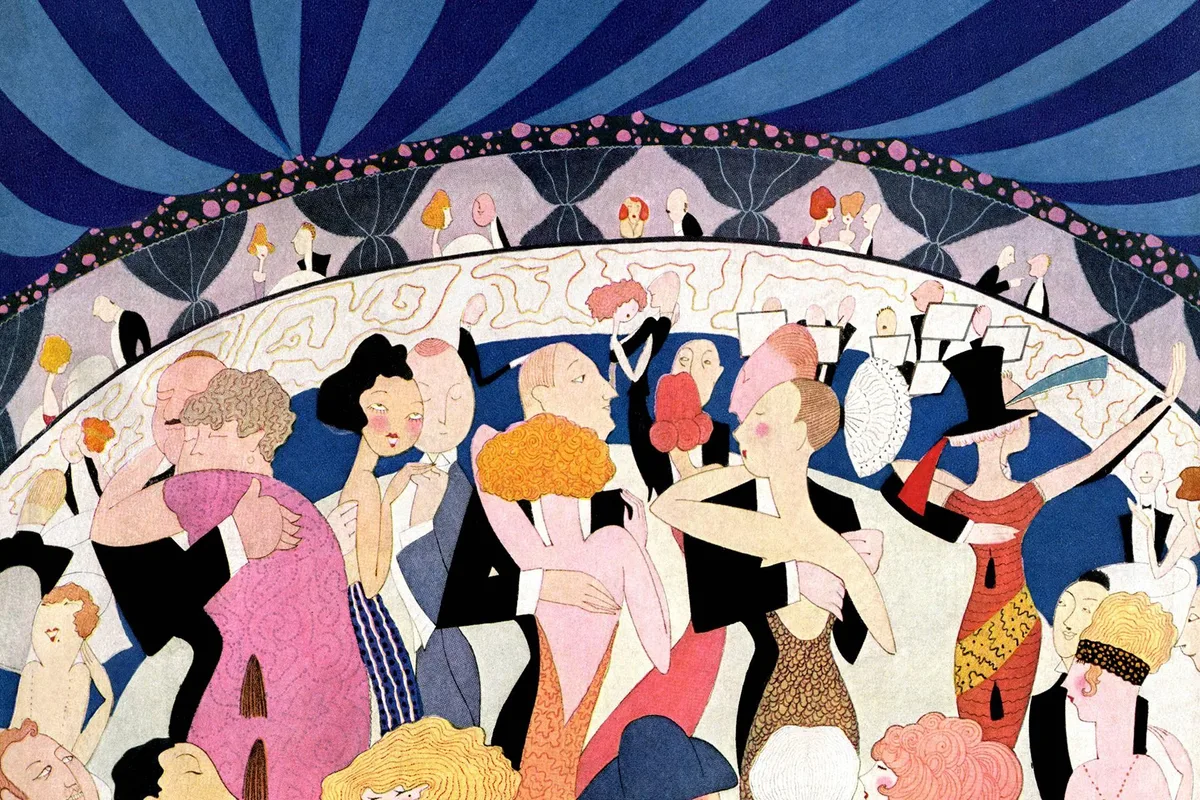
We are in the midst of a loneliness epidemic: More than half of Americans say they feel isolated , and we’re getting together less and less.
In 2023, only about 4 percent of adults said they went to a party on a weekend or holiday.
According to Imogen Willetts , a party historian and author of the book Up All Night: A History of Going Out , this moment is an outlier.
“For most of human history, the experiences that we associate with nightlife — drinking, dancing, music, hedonism — those experiences were simply part of religion because religion was so all-encompassing,” she told Vox.
If parties are so ingrained in humankind, then, what are we missing when we don’t get out the door on a Friday night anymore? And what lessons can we learn from the turnups of yore? We get into all of that and more — including how to throw a great party and how to be a good guest — on the latest episode Explain It to Me , Vox’s weekly call-in podcast.
Below is an excerpt of my conversation with Willetts, edited for length and clarity.
You can listen to the full episode on Apple Podcasts , Spotify , or wherever you get your podcasts.
If you’d like to submit a question, send an email to [email protected] or call 1-800-618-8545.
Can you talk about the role religion played in early nightlife? Because I think we often think of religion and partying as two separate things, but that was not the case for all of history, was it? [Religion] contained people’s hedonistic instinct.
There was nothing really outside of it.
And so there’s even evidence, which I love thinking about this, that the churchgoing experience in medieval England was actually quite rowdy and quite raucous.
On feast days there would be drinking, there would be dancing.
And there’s one theory that wooden pews were introduced in Wells Cathedral in England to subdue the dancing because it was so raucous.
And so in some sense, it takes us a while to get to nightlife because we sort of didn’t need it for a very long time.
5News aggregated this summary from the outlet’s public feed. The full article, with all the context, is on www.vox.com — the content belongs to Vox.