How Moscow's secrecy about a suspected plague case follows a Soviet-era pattern
The Kremlin has long maintained a culture of secrecy when it comes to controlling public information, especially involving accidents — from industrial disasters to health emergencies.
The suspicious death last week of a worker at a research lab in Siberia that has fueled global concerns about suspected pneumonic plague is just the latest example of how leaders in Moscow manage the official narrative that often covers up the truth for years.
READ MORE: Russia's public health watchdog denies a second infection in suspected pneumonic plague case
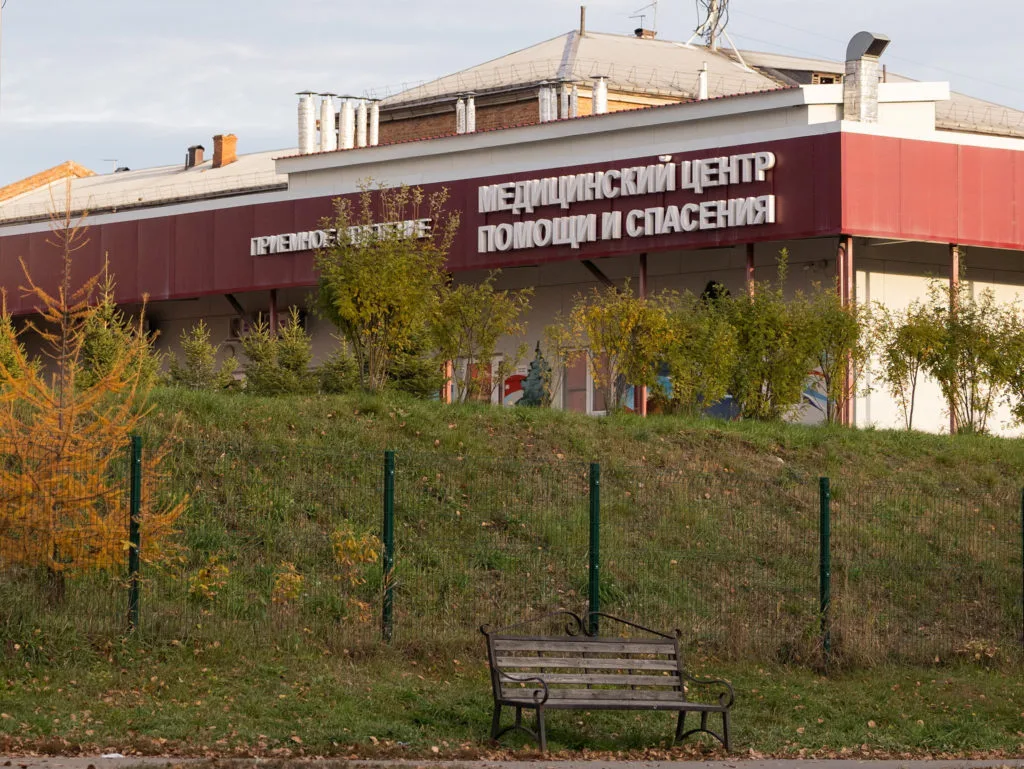
Russia's public health watchdog, Rospotrebnadzor, has told the World Health Organization that no case of plague has been registered in the Irkutsk region of southeastern Siberia. In tersely worded statements, the Russian agency said the lab worker contracted pneumonia of "unknown" origin and that tests found no evidence her illness was caused by any of the pathogens she worked with at the Irkutsk Anti-Plague Research Institute of Siberia and the Far East.
The WHO urged Russia to share more information to clarify the cause of the severe pneumonia, the pathogen that prompted the public health measures and media reports that a second employee had pneumonia of undetermined cause.
Scarce official information about the worker's death, which unconfirmed reports in Russia blamed on pneumonic plague, follows the Soviet-era patterns of secrecy in dealing with outbreaks of infectious diseases, accidents and other emergencies.
Here are other examples of Moscow censoring public health information:
In the final days of December 1959, leading Soviet graphic artist Alexei Kokorekin fell ill and died shortly after returning from a trip to India.
Doctors initially struggled to identify the cause of death as smallpox, which was considered eradicated decades earlier. Once it became clear, authorities launched a massive effort to contain the outbreak.
The KGB meticulously tracked down Kokorekin's contacts, and thousands of people were put in isolation. An Aeroflot flight carrying one of his contacts was contacted before it landed in Paris and ordered to return to Moscow.
Authorities halted all travel to and from Moscow and launched an unprecedented effort in which thousands of vaccination teams distributed shots to millions of residents of the capital and the surrounding region. International news outlets reported the massive campaign, but Soviet state media kept silent about it.
The outbreak led to 46 confirmed cases and three deaths in Moscow before it was contained in 44 days. A novel and movie based on the outbreak appeared later, but the true details of what happened were hidden from the public until the waning years of the Soviet Union.
During tests of a smallpox bioweapon on a tightly guarded range on Vozrozhdeniya Island in the Aral Sea in August 1971, a research ship accidentally sailed too close to the aerosolized plume of microbes.
A marine biologist on the ship contracted smallpox and spread it to several others in the town of Aralsk in what is now part of Kazakhstan, resulting in 10 infections and three deaths.
5News aggregated this summary from the outlet’s public feed. The full article, with all the context, is on www.pbs.org — the content belongs to PBS NewsHour.