Salmonella Egg Recall Is Now Class I, the FDA’s Highest Risk Level
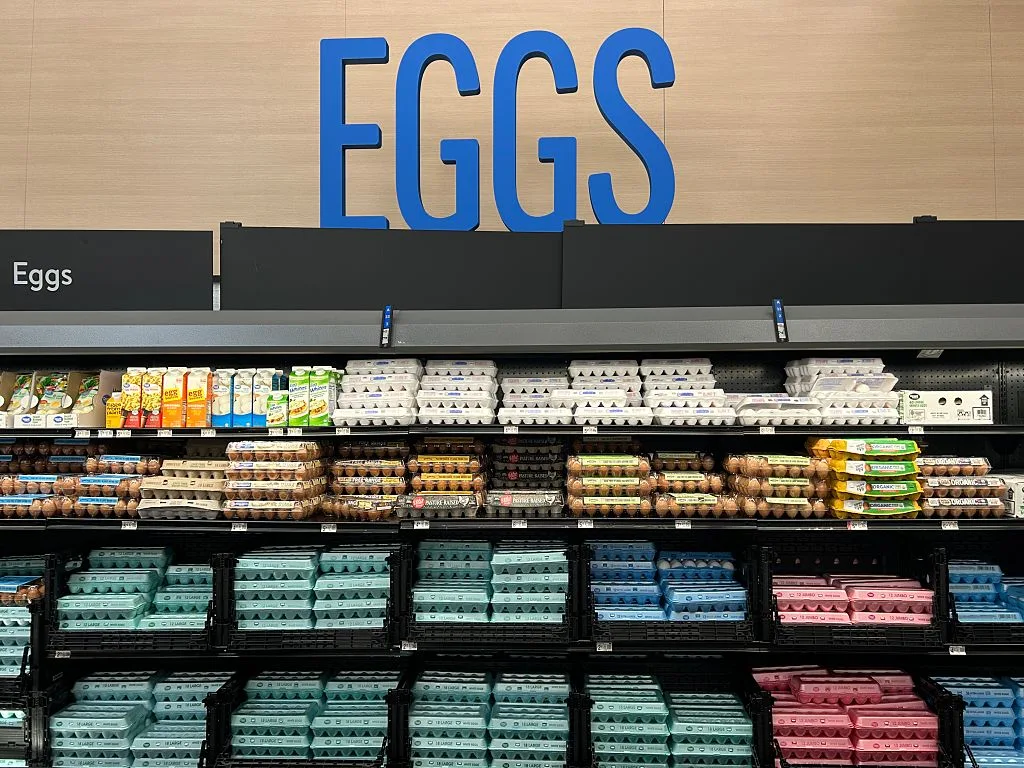
Eggs displayed in refrigerated section of a grocery store. —Lindsey Nicholson—Universal Images Group An egg recall linked to a salmonella outbreak was upgraded to the highest possible risk level by the U.S.
Food and Drug Administration (FDA) on Wednesday.
Nearly 1.6 million dozen eggs were labeled “Class I,” which the agency defines as “a situation in which there is a reasonable probability that the use of or exposure to a violative product will cause serious adverse health consequences or death.” Symptoms of salmonella infection include “fever, diarrhea (which may be bloody), nausea, vomiting, and abdominal pain,” according to the FDA .
“Illness usually occurs within 12 to 72 hours after eating food that is contaminated with Salmonella, and the symptoms usually last four to seven days,” its website said, noting that children under 5, the elderly, and the immunocompromised were more likely to have severe reactions.
The U.S.
Centers for Disease Control and Prevention (CDC) said that eggs contaminated with Salmonella Enteritidis had infected at least 98 people across 17 states.
No deaths have been reported, but 26 people have been hospitalized.
Read More: The Trump Administration Wants More Food Ingredient Disclosure What to know about the salmonella egg recall and how to stay safe The FDA’s upgraded risk classification comes three weeks after Midwest Poultry Services initiated a recall of the approximately 19 million affected eggs, according to a company announcement shared on the FDA website July 22.
The eggs were produced at farms in Texas between June 6 and July 3, and the cartons show sell-by or best-by dates between July 20, 2026, and Aug.
17, 2026.
They were distributed to Arkansas, Louisiana, Mississippi, New Mexico, Oklahoma, and Texas.
Samples collected at the farms tested positive for salmonella, and genetic sequencing found that some matched the strain responsible for the outbreak, according to the FDA.
However, in a July 24 update from the FDA, the agency said that Midwest Poultry Services “does not account for all the illnesses in this outbreak.” It did not identify any additional known origins.
“Additional investigation is ongoing to determine if there are other sources of illness,” it said.
5News aggregated this summary from the outlet’s public feed. The full article, with all the context, is on time.com — the content belongs to TIME.