Ground Zero first responder needed major surgery decades after 9/11 exposure: ‘I thought it was over’
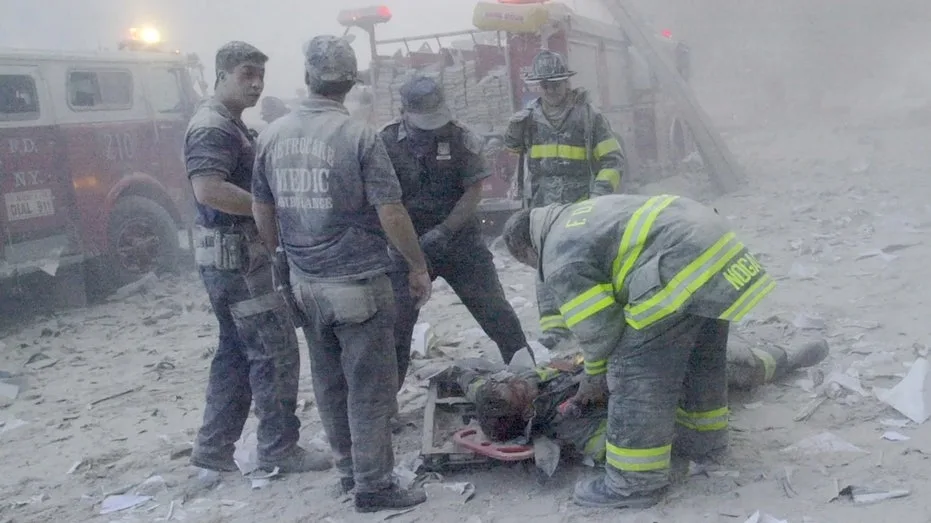
Those who were present at Ground Zero on Sept.
11, 2001 , continue to experience the physical effects of their exposure.
As Lower Manhattan was engulfed in dust and debris from the remnants of both towers, first responders and survivors were forced to breathe in toxic air.
More than 400,000 people were exposed to toxic contaminants, physical-injury risks and stressful conditions in the days, weeks and months following the attacks, according to the World Trade Center Health Program.
SCIENTISTS DISCOVER POSSIBLE LINK BETWEEN 9/11 AND ACCELERATED AGING As of March 2025, 8,215 people who had enrolled in the WTC Health Program had died, including 5,844 responders, as reported by the CDC.
The figures include deaths from all causes; the program does not track whether a member’s death was related to 9/11 exposure.
In an interview with Fox News Digital, Mordechai Shedrowitzky, a volunteer EMT who responded on 9/11 , shared how his exposure led to multiple hospitalizations and, ultimately, major surgery.
Queens-born Shedrowitzky, 51, was living in Brooklyn at the time of the attacks.
After helping cover his local area for much of the day, he headed into Lower Manhattan that evening to assist with the response.
"My most vivid memory was actually entering Manhattan from Brooklyn," he said.
"As we approached the tunnel, the first thing we noticed was there were no lights, there was no electricity in the area, it [was] pitch black." FOX NEWS' ERIC SHAWN REVEALS CANCER AND RESPIRATORY ILLNESS FROM 9/11 TOXIC DUST "When we entered the tunnel, there was a tremendous amount of swirling debris, at speeds that I just can't even imagine." Once Shedrowitzky and his team arrived at South Street Seaport, where his ambulance was staged with others, he described the debris as "overwhelming." "I remember the engine actually sputtering at times," he said.
"I would imagine that it was taking in a tremendous amount of dust." "We were definitely not cognizant of what effect ... the air might have on us.
And therefore, we did spend a significant amount of time outside of the ambulances, just commiserating with the people around us." Shedrowitzky said he "thought it was over" once he left the scene.
But years later, he noticed small symptoms that were turning into a big problem.
5News aggregated this summary from the outlet’s public feed. The full article, with all the context, is on www.foxnews.com — the content belongs to Fox News Health.