SpaceX's Starlink is now closer to becoming a major mobile carrier rival
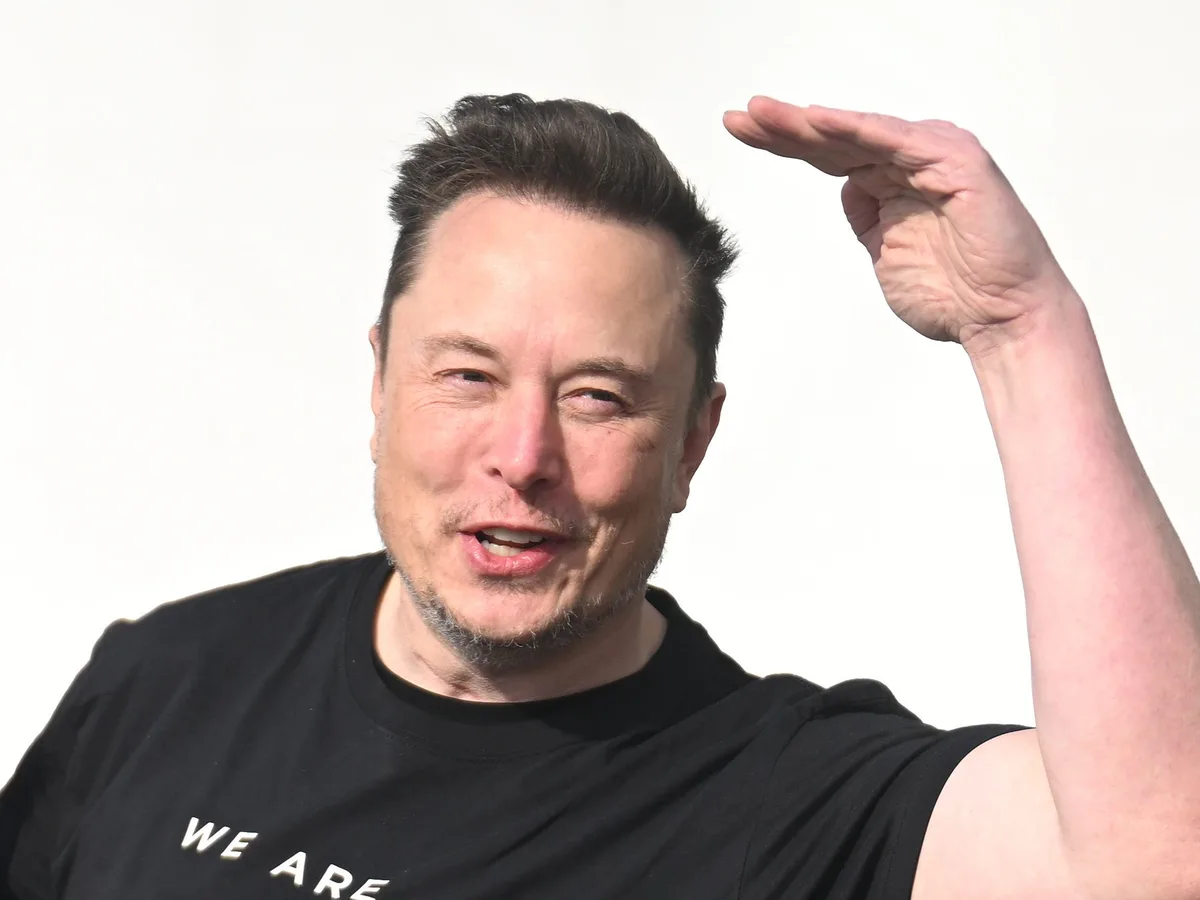
Elon Musk's SpaceX was handed a win by the FCC.
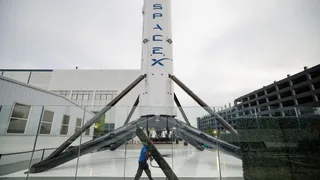
Sebastian Gollnow/picture alliance via Getty Images Earlier this week, the FCC approved SpaceX's plan to deploy 15,000 Starlink satellites for direct-to-device service.
The federal agency also waived a rule that requires a leasing agreement with a ground-based carrier.
On Thursday, SpaceX said it will acquire a slice of low-frequency cellular spectrum that could help it operate better indoors.
Days after Elon Musk's SpaceX scored a regulatory win that could give Starlink more power to compete with wireless giants Verizon, AT&T, and T-Mobile, the company announced that it will acquire a slice of low-frequency cellular spectrum that could help it operate better indoors.
Earlier this week, the Federal Communications Commission granted SpaceX's request to deploy and operate 15,000 Starlink satellites to provide direct-to-device connectivity.
The FCC also waived a rule that requires a leasing arrangement with one or more terrestrial wireless carriers, allowing SpaceX to use its own spectrum for the service.
And SpaceX announced on Thursday that it will acquire a slice of low-frequency cellular spectrum that could help Starlink's signal operate better indoors, not just under open skies.
Musk called Thursday's announcement a "very big deal" in a post on X.
The move brings Starlink closer to becoming more than just a mobile service for remote areas or emergency situations — and toward becoming a serious mobile carrier rival.
"This prime low-band spectrum addresses one of the key remaining technical gaps that will pave the way for Starlink Mobile to become a major mobile carrier in the US," SpaceX said.
Stocks for T-Mobile, AT&T, and Verizon were all hit after trading hours following the SpaceX announcement.
T-Mobile's stock fell more than 11%, while Verizon and AT&T's stock fell by about 6.6%.
SpaceX has faced skepticism in the past from the carriers it hopes to take on.
5News aggregated this summary from the outlet’s public feed. The full article, with all the context, is on www.businessinsider.com — the content belongs to Business Insider.