Microbes from Earth may survive on the moon, scientists find
Microbes from Earth might survive the harsh surface of the moon, albeit in a state of suspended animation, a new study finds.
Previous research suggested the surface of the moon was too harsh for microbes to survive.
Specifically, a 2019 study found ultraviolet rays and heat from the sun are the greatest barriers for microbial life on the lunar surface.
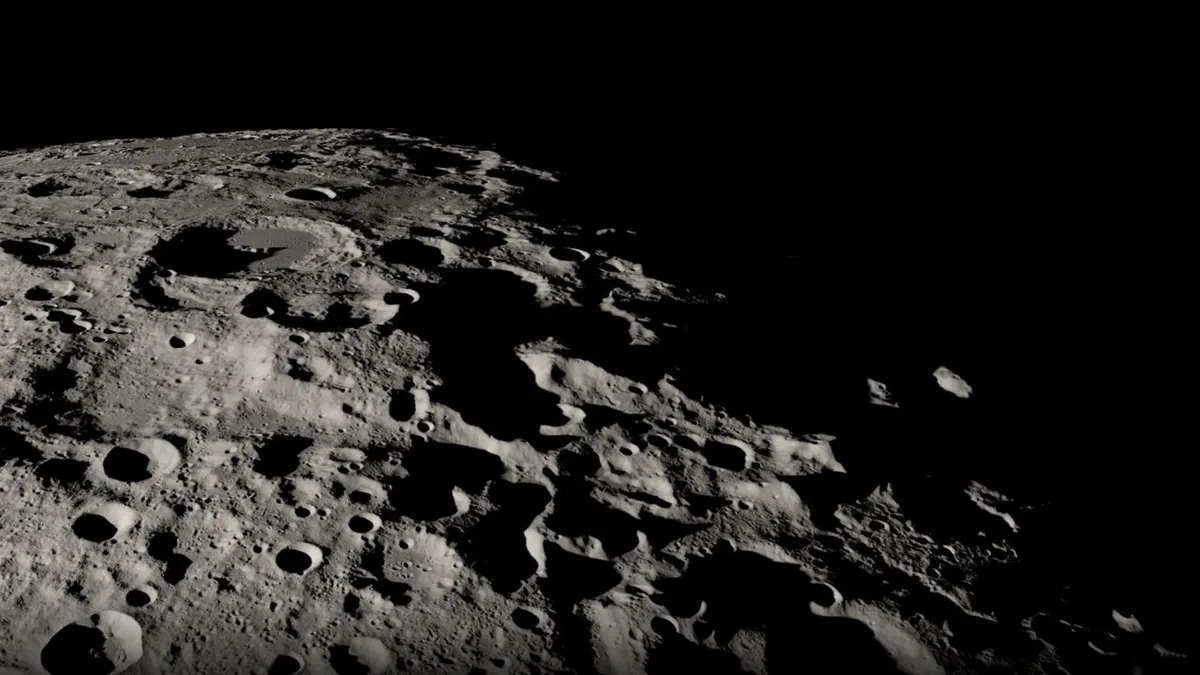
However, this prior work did not account for the shelter that hills and valleys might supply on the moon.
These could prove especially significant at the lunar poles, where the sun never climbs high in the sky, leading to permanently shadowed regions that can host ice — and perhaps more.
In the new study, researchers analyzed three kinds of bacteria and two kinds of fungus.
These are all commonly found on crewed space missions, and include microorganisms that prior work discovered were especially durable in the harsh conditions of space.
Previous research found these lifeforms are resistant to vacuum, cold and high-energy particles.
The scientists compared previously compiled survivability data of these microbes with lunar maps that captured ultraviolet and heat readings on the moon's surface.
They found that both lunar poles likely have areas where microbes could survive, albeit in a state of suspended animation known as cryptobiosis in which they could not move or grow unless more hospitable conditions appeared.
Microbes might not need much in the way of shelter on the moon.
"Even a bootprint or a rover's tread may create a habitable area," study co-author Prabal Saxena, a planetary scientist at NASA Goddard Space Flight Center in Greenbelt, Maryland, told Space.com.
NASA's Artemis III mission is planned to be the first time humans will explore the lunar south pole.
"Our findings show that we need to be even more thoughtful about the materials that we might unintentionally take with us when we are exploring space, and the impacts that we might have," study co-author Heather Graham, an organic geochemist at NASA Goddard Space Flight Center, told Space.com.
5News aggregated this summary from the outlet’s public feed. The full article, with all the context, is on www.space.com — the content belongs to Space.com.