Having Health Insurance Doesn’t Prevent Medical Debt
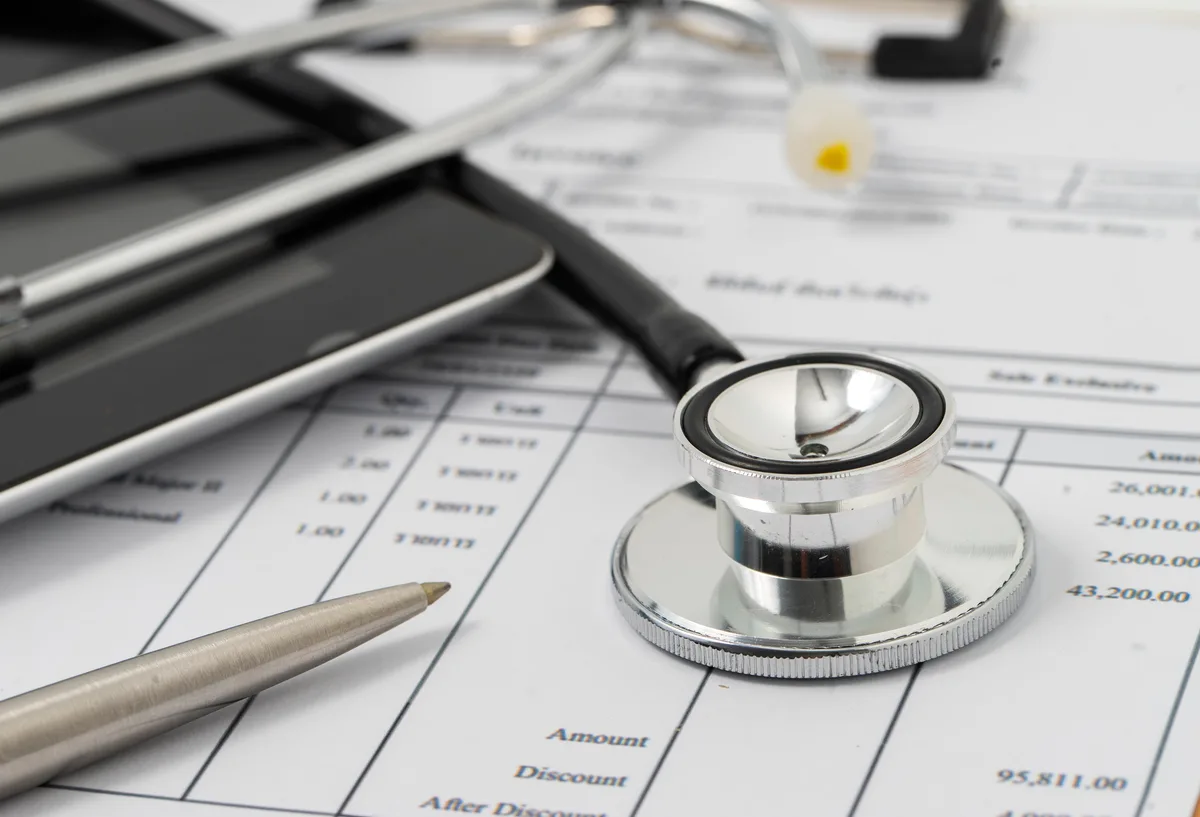
—Prapass Pulsub—Getty Images Many people buy health insurance to protect themselves from catastrophes like car accidents or cancer leading to astronomical medical bills.
But even having health insurance is not guaranteed to keep people out of financial ruin.
Nearly one third of adults ages 19-64 with private insurance have unpaid medical bills or medical debt, according to a survey released September 17 by the Commonwealth Fund, a foundation that supports independent research on health care issues.
Nearly half of adults who were paying off medical debts owed $2,000 or more.
“Medical-debt issues often stem from routine care, including doctor’s office visits and treatment for chronic conditions,” says Sara R.
Collins, a senior scholar at the Commonwealth Fund and one of the authors of the report.
High deductibles are another common source.
“People are just dealing with routine care and bills that build up over time.” The study, which consisted of interviews among a nationally representative sample of more than 6,300 adults in 2025, also included analysis of focus groups in which people expanded on their experiences with health care.
In the focus groups, many people expressed surprise at how high their medical bills were despite their insurance coverage, Collins says.
The problem of insured Americans with medical debt could grow in the coming years as health insurance becomes less affordable .
Already, the cost of health benefits per employee is projected to rise 8.2% in 2027, the highest increase since 2003, according to an August survey by Marsh , and some employers may downgrade their plans and shift more costs to employees, employers told Marsh.
What’s more, after Congress decided not to renew subsidies for people buying health insurance from Affordable Care Act Exchanges, many consumers switched to lower quality plans that will cost them more if they have catastrophic or chronic health issues, according to April data from the Center on Budget and Policy Priorities.
The Commonwealth study found that 30% of survey respondents cut back on basic necessities like food, heat, or rent to afford health care, and that 37% of those with debt used part or all of their savings to pay their bills.
Once people experience medical debt, they often hesitate to seek out more medical care, says Collins.
5News aggregated this summary from the outlet’s public feed. The full article, with all the context, is on time.com — the content belongs to TIME.