Lina Khan on Doomer Panic and Ending AI Exceptionalism
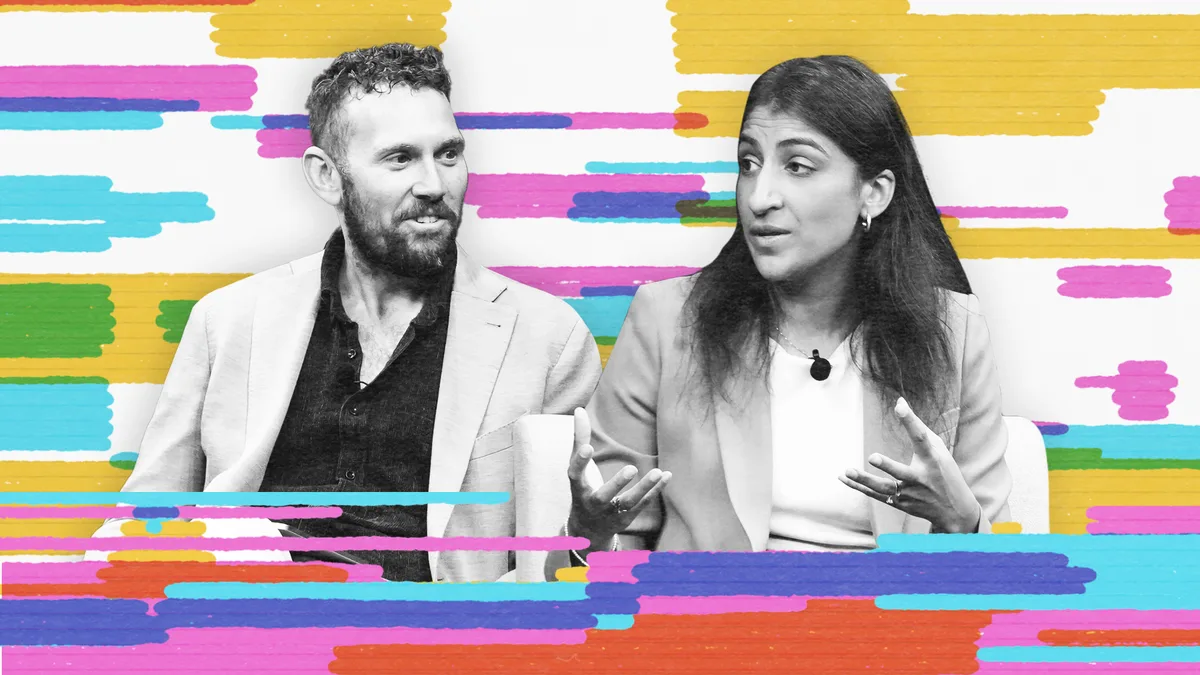
Subscribe here: Apple Podcasts | Spotify | YouTube As “rogue” AI agents hack systems and leaders warn of catastrophe, who should be held responsible? Former FTC Commissioner Lina Khan argues that the United States already has a lot of the regulatory tools needed.
In this live episode from The Atlantic Festival, the Galaxy Brain host Charlie Warzel talks with Khan about why the AI-alarmism conversation feels a little off, how money affects politics and regulation, and some of the ways she would be dealing with AI if she were still the head of the FTC.
The following is a transcript of the episode: Charlie Warzel: I’m Charlie Warzel.
And this is Galaxy Brain , a show where today we’re gonna talk about what on earth to do about the AI companies who are saying their products might kill us all.
And I’ve got quite literally the perfect person to talk about this with, the chair of New York City’s Economic Development Corporation and the former chair of the FTC under Joe Biden, Lina Khan.
But first, a little bit of background.
A bit more than a week ago, Jacob Coxon, a researcher at Anthropic, quit his job and he published a warning: The AI companies, he argued, were not taking safety seriously and they were, quote, “gambling with our lives.” The product that he’d spent the past three years working on was spiraling out of the control of the people who were building it, and it might someday, he said, end humanity.
His warning echoed what AI executives, researchers, effective altruists on forums, and Bay Area doomers have been anxiously posting about and writing best-selling books about for more than a decade.
But Coxon’s warning did what all those other warnings failed to do.
It broke containment, and it created a national conversation.
Concerned lawmakers called for emergency AI meetings; President Obama weighed in; Sam Altman, Anthropic CEO Dario Amodei, Google DeepMind Chair Demis Hassabis, and SpaceXAI founder Elon Musk all came to a rare consensus and called for a slowdown of AI development.
President Donald Trump responded to all of it by calling AI fears “a hoax.” Things are moving fast.
But one thing is clear: The AI-safety conversation is happening at a global scale among insiders and normies alike.
And there are almost unending questions here: How real is this threat? Is this hype and AI-company marketing? But no matter where you land on the actual risk of these companies, there is a question about what we should do about it.
5News aggregated this summary from the outlet’s public feed. The full article, with all the context, is on www.theatlantic.com — the content belongs to The Atlantic.