What's happening with the national debt — and how it could affect your wallet
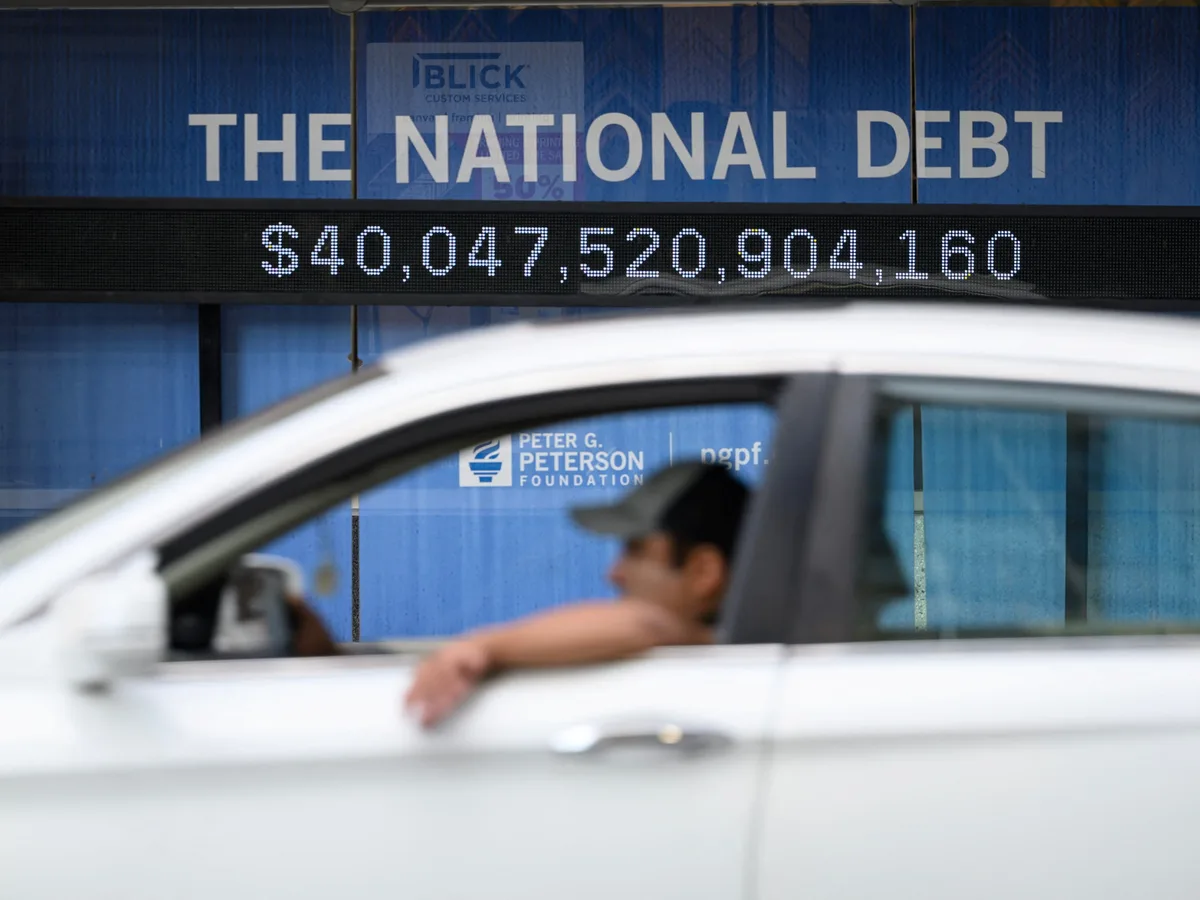
The US national debt recently passed $40 trillion for the first time.
Mandel NGAN / AFP via Getty Images The US national debt topped $40 trillion this week, potentially impacting consumer interest rates.
Treasury Secretary Scott Bessent is using debt buybacks to manage high bond yields.
Rising federal debt since 2015 has increased loan costs and could continue to impact consumer loans.
Owing $40 trillion might sound daunting.
But for the American government, ballooning debt has become the new business as usual — even if it takes a bite out of consumers' wallets .
On Wednesday, the Treasury Department announced that the national debt had reached over $40 trillion, up by more than $11 trillion over the last five years.
Also this week, Treasury Secretary Scott Bessent stepped in to try to ease skyrocketing yields — the 30-year US Treasury yield hit its highest level since June 2007, as investors looked to offload bonds amid continued oil price uncertainty.
Bessent took some unexpected direct action, implementing debt buybacks on longer-term federal debt, which temporarily eased yields, although they've crept back up in the following days.
Bessent indicated that new tariff revenue could take a bite out of the deficit, and also signaled that the administration could continue those buybacks.
"Actions like these can make a modest difference for rates in the short term, but only reducing deficits will provide the long-term fix," Caleb Quakenbush, the director of fiscal policy at the Bipartisan Policy Center, said.
The growing federal debt could hit Americans in their pockets.
As the federal government's debt load grows, lenders may seek higher interest rates to compensate for higher risk.
That in turn can push up interest rates on the larger purchases that are most important to many consumers — think mortgages and auto loans.
5News aggregated this summary from the outlet’s public feed. The full article, with all the context, is on www.businessinsider.com — the content belongs to Business Insider.