How ‘Somatics’ Became the Solution to Modern Life
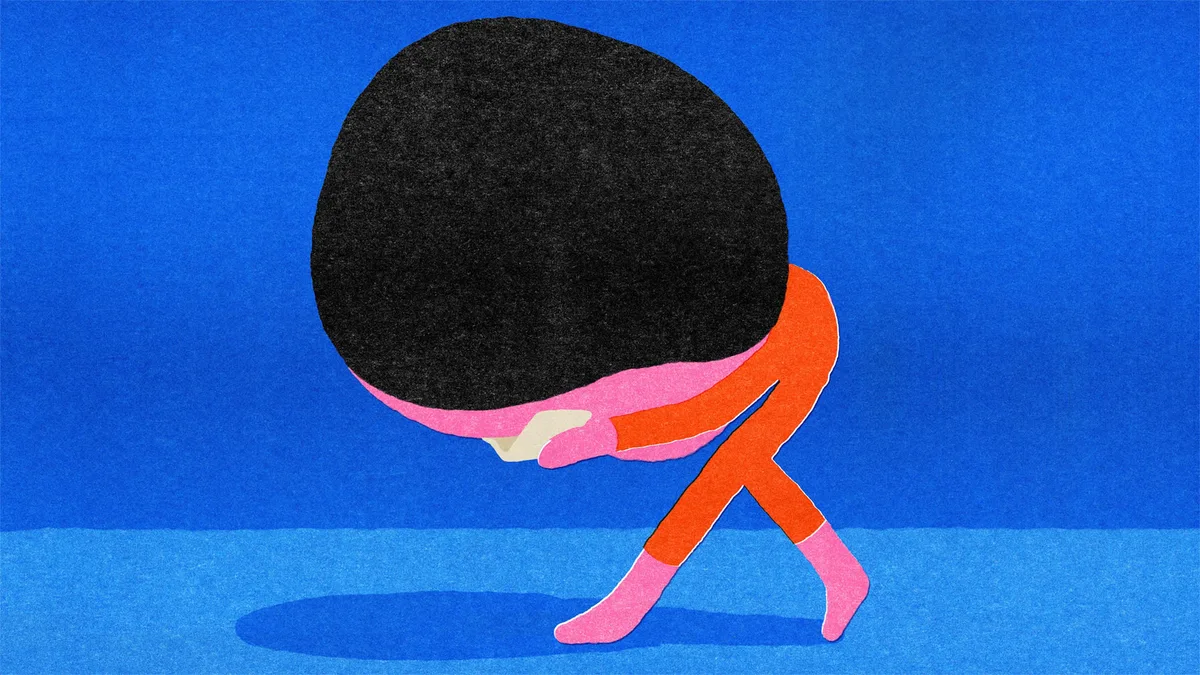
When clients go to Sybil Ottenstein for therapy, they tend to arrive with answers.
Many of them have seen shrinks before.
They can tell her which events from their past were formative, and point to the ripple effects in their current life.
They’re like detectives, she told me, with all the dots connected on their corkboard of evidence.
Intellectually, they’ve cracked the case.
The problem is that they don’t feel any better.
That’s why they’re seeking something different from Ottenstein: somatic psychotherapy.
Traditional talk therapy could be seen as a top-down approach.
You identify problems in your thinking, your habits, or your life, and hope that by working through them, you can resolve physical manifestations of emotional issues—the chest palpitations of anxiety, the stomachache of stress.
Somatic therapy, by contrast, works from the bottom up.
Ottenstein typically starts her sessions by asking clients to slow down and pay attention to corporeal sensations: “What does it feel like in your chest? In your throat?” As they talk, she encourages them to stay in their body, to let themselves feel whatever is coming up.
People cry.
They yawn.
They scream.
5News aggregated this summary from the outlet’s public feed. The full article, with all the context, is on www.theatlantic.com — the content belongs to The Atlantic.