Creating the Perfect Female Monster
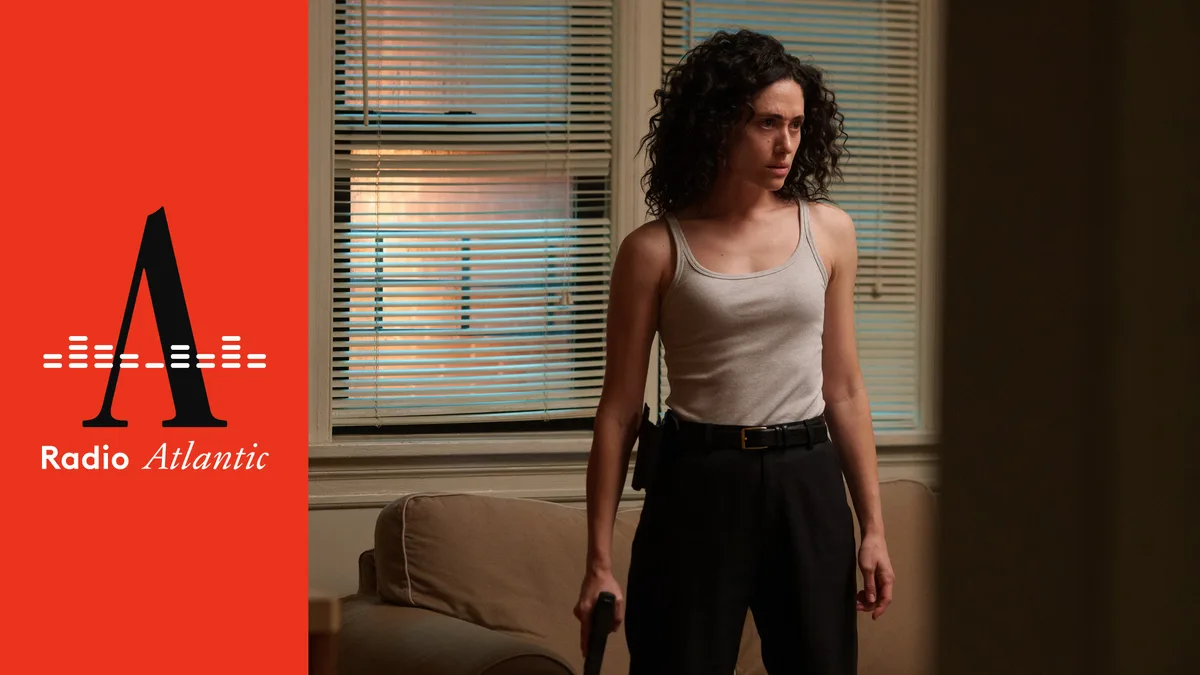
Subscribe here: Apple Podcasts | Spotify | YouTube | Overcast | Pocket Casts The breakout crime drama Furious opens with a scene that’s hard to watch: Catherine, a serial killer played by Lola Petticrew, is keeping a man prisoner in a row house and taunting him as he dies: “I don’t like the sounds you’re making.” The show’s creator, Liz Meriwether, is announcing right away that you will be spending time with a monster, and the discomfort amps up from there.
As the show progresses, we learn that Catherine has been trafficked, and the men she is killing were involved in her abuse.
In an era when “Epstein Island” exists, Catherine represents a specific kind of psychopathic serial killer.
She is, as the title suggests, one of the Furies exacting revenge in a world that hasn’t managed to execute justice for her the legal way.
Meriwether says she did not set out to make a statement on the state of female rage or American justice, or even a commentary on Epstein, yet the show may have hit a nerve because those issues are so alive right now.
Nine years ago, women’s anger fueled the MeToo movement, and it seemed as if the way society confronts sexual harassment and abuse was on the brink of transformation.
“Misogyny is more overt on the internet than it’s ever been,” the Atlantic staff writer Sophie Gilbert says.
“And you think about what happened to that anger and what happened to that rage, and I know from my own perspective, you can’t live with that kind of anger for a decade.
You just can’t.
It has to burn out.
It has to go somewhere, or you just get numb.” In this episode, Meriwether talks about the complications of humanizing a serial killer and how the project of creating complicated women characters has evolved in her decade of writing for television.
And Gilbert talks about what it means that more women creators are owning the stories told about women.
The following is a transcript of the episode: Hanna Rosin: A female monster is a rare but recurring creature.
She often emerges at moments in history when women in society are collectively angry at the powers that be but unable to express it.
5News aggregated this summary from the outlet’s public feed. The full article, with all the context, is on www.theatlantic.com — the content belongs to The Atlantic.