NOAA issues geomagnetic storm watch as CMEs head toward Earth — northern lights possible Aug. 27-28
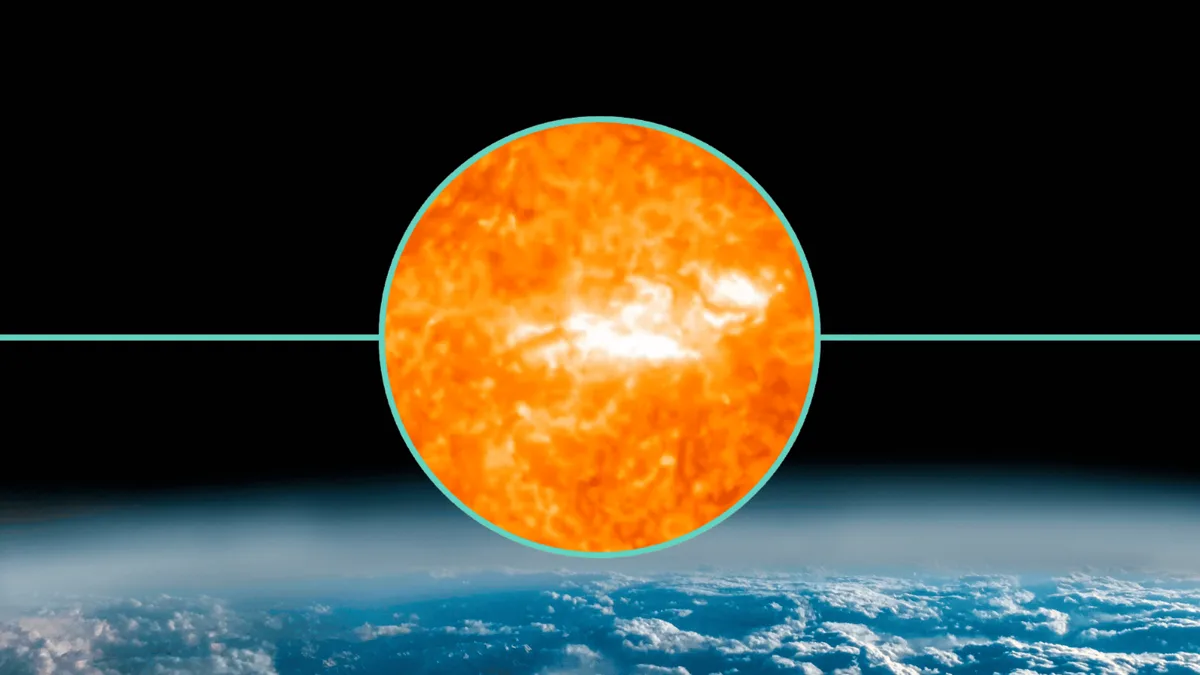
Aurora chasers are on alert after NOAA's Space Weather Prediction Center (SWPC) issued a moderate (G2) geomagnetic storm watch for Friday (Aug.
28), as coronal mass ejections (CMEs) launched from the sun yesterday (Aug.
25) head toward Earth.
The CME arrival follows a powerful M6.9 solar flare from restless sunspot region 4513 on Aug.
25.
NOAA's SWPC has also issued a minor (G1) geomagnetic storm watch for Thursday (Aug.
27), as a stream of fast solar wind from a coronal hole is expected to buffet Earth ahead of the incoming CMEs The M6.98 solar flare erupted from the active sunspot region 4513 and peaked at 6 a.m.
EDT (1000 GMT), according to SpaceWeatherLive .
4513 has been particularly active over the previous 24 hours, firing off a barrage of solar flares including five powerful M-class eruptions.
Solar flares are ranked by strength into five classes — A, B, C, M and X — with each class 10 times more powerful than the one before it.
M-class flares are the second-strongest category, sitting just below the most powerful X-class eruptions.
The eruption also triggered a moderate (R2) radio blackout across the sunlit side of Earth, affecting high-frequency radio communications over parts of Africa, Europe and the Arctic.
High-frequency radio blackouts from the M-class solar flare on Aug.
25. (Image credit: NOAA Space Weather Prediction Center) CME incoming and possible northern lights? The M6.9 flare wasn't the only eruption to launch material into space on Aug.
5News aggregated this summary from the outlet’s public feed. The full article, with all the context, is on www.space.com — the content belongs to Space.com.