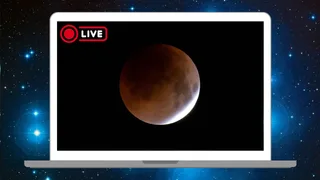
The moon is turning red tomorrow night — here's why, and how to watch
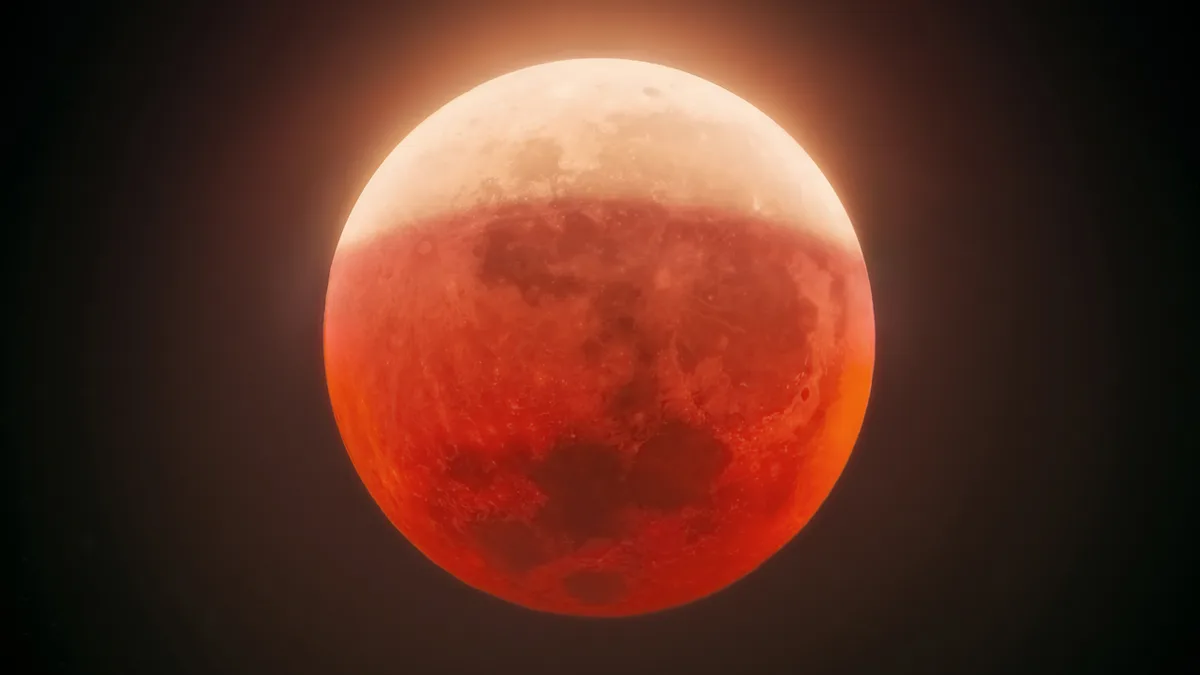
Skywatchers are in for an ecliptic encore tomorrow night (Aug.
27 to 28) as a very deep partial lunar eclipse promises to turn the full moon coppery red.
As the full moon slides into Earth's shadow, it will cast an eerie red glow over 96% of the lunar surface.
In North and South America, every stage of the eclipse will be visible in the night sky, beginning at 9:23 p.m.
EDT on Thursday night (Aug.
27), ending around 3 a.m.
Friday (Aug.
28), and peaking just after midnight.
Meanwhile in Europe, the eclipse will occur just before dawn as the moon sinks below the horizon.
The moon won't fall totally under Earth's shadow, so we can't officially call it a "blood moon," but it will be the deepest lunar eclipse anywhere in the world until the next total lunar eclipse on Dec.
31, 2028.
Why does the moon turn red during a lunar eclipse? A lunar eclipse happens when the moon passes directly behind Earth and falls into its shadow.
But instead of going completely dark, the moon turns a deep shade of coppery red.
This is because of the way Earth's atmosphere absorbs and bends light.
5News aggregated this summary from the outlet’s public feed. The full article, with all the context, is on www.livescience.com — the content belongs to Live Science.