The tropical nation of Palau has no traffic lights and just 18,000 people—and it’s now ground zero for a U.S.-China standoff
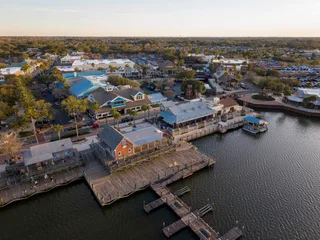
Far from New York or Davos, leaders of some of the world’s least populous states are meeting in a placid tropical archipelago with no traffic lights.
The population of the summit host, Palau, was due to swell from 18,000 people to 20,000 as delegates from dozens of countries arrived at the Pacific Islands Forum Leaders Meeting .
Ahead of the summit officially opening Monday, the country’s president and other senior officials walked the main road around the island picking up trash.
Barbers and tattoo artists prepared to become drivers for delegates and student volunteers to usher dignitaries.
But beneath the distinctively Pacific character of the event, where matters unfold in their own unhurried time and decisions are made by consensus rather than by a vote, simmered a fraught and escalating geopolitical debate about who gets to shape the future of the vast ocean region.
Powerful nations interested in the Pacific have raced in recent years to shore up alliances among its leaders, intensifying a contest for influence between China and the United States, Taiwan, and forum members Australia and New Zealand.
The sometimes-conflicting bids to win sway have also drawn dividing lines among the forum’s members, threatening to derail annual summits.
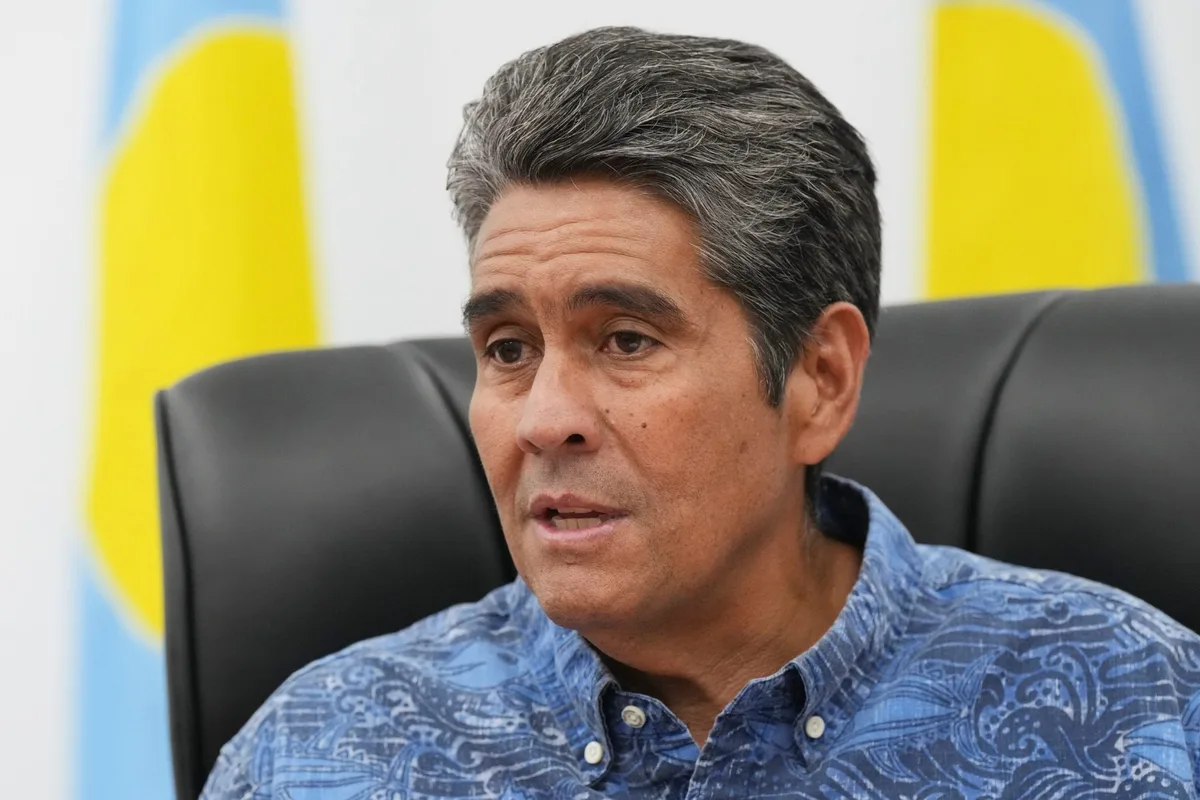
“The Pacific is our home, not a theater for geopolitical competition,” Palau’s President Surangel Whipps Jr. told reporters Sunday, as he urged the bigger countries closely observing this week’s event not to interfere in talks that he hoped would center on problems desperately imperiling small Pacific island nations, such as climate change and struggling economies.
“Let’s not use this as a place that we should be threatening or making people feel uncomfortable,” he added.
The reality, however, was unlikely to be simple.
Small island nations have become important allies Some of the 18 member countries and territories that make up the Pacific Islands Forum have populations in the low thousands or tens of thousands and were once known mostly as picture-perfect holiday destinations.
But many also have sprawling and lucrative exclusive economic zones, rich with fisheries and seabed minerals, and their locations across the wide Pacific Ocean have become strategically important points on the map as global tensions rise.
While Forum countries often reference a “Pacific family,” members come from diverse cultures and political systems and their remote locations mean few opportunities for leaders to speak in person.
5News aggregated this summary from the outlet’s public feed. The full article, with all the context, is on fortune.com — the content belongs to Fortune.