Out-of-control SpaceX rocket carved a 60-foot crater into the moon, NASA images reveal
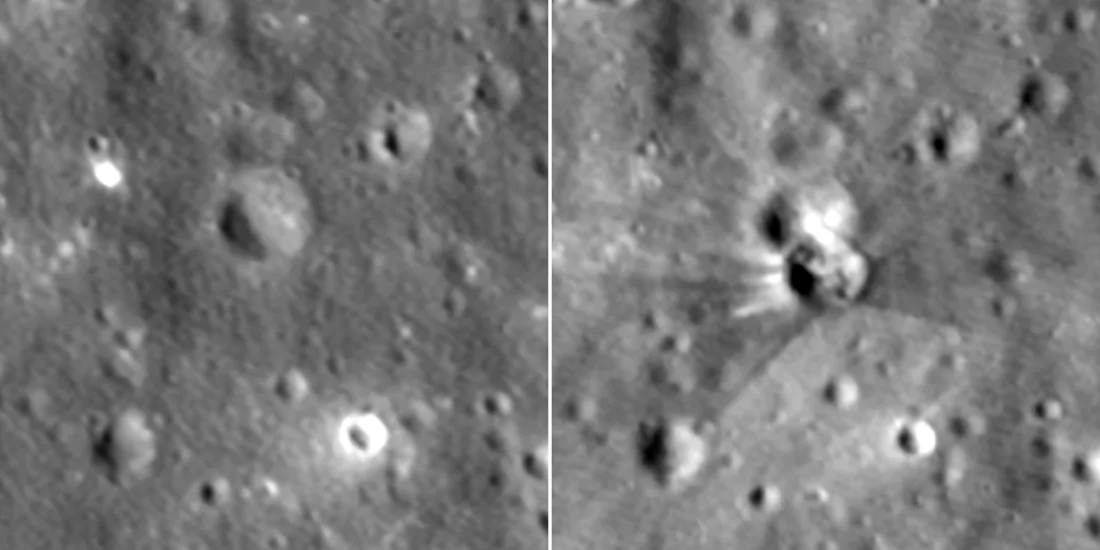
NASA has finally revealed its first images of the crater made by a SpaceX Falcon 9 upper stage that smashed into the moon on Aug.
5.
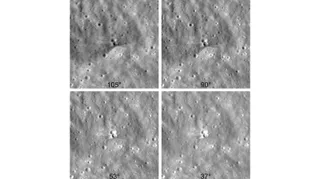
The images, captured by the space agency's Lunar Reconnaissance Orbiter (LRO) between Aug.
11 and 12, show a 60-foot-wide (18 meters) crater surrounded by streaks of lunar rock thrown up by the rocket's impact.
The new crater was carved into the lunar surface by the upper stage of one of SpaceX's Falcon 9 rockets, which launched on Jan.
15, 2025 to deliver a pair of lunar landers to the moon.
Unlike Falcon 9's lower stage, which can return to Earth to be reused, the rocket's upper stage is discarded in orbit.
In this case, after drifting around our planet for nearly a year, a combination of solar radiation and the moon's gravitational pull nudged the 4.4-ton (4 metric tons) rocket section away from Earth and toward our rocky satellite, according to Live Science's sister site Space.com .
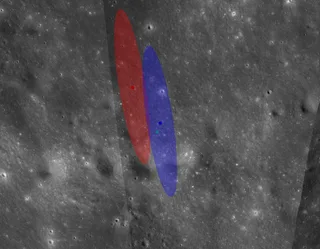
Finding the impact site was a challenge that required global cooperation between hobbyists and experts, NASA said in a statement on Tuesday (Aug.
18).
The crash occurred near Einstein crater on the northwestern limb of the moon, which was facing the sun at the time of the collision.
As a result, the initial flare from the crash was not visible from Earth.
The speed of the collision further complicated the hunt: The rocket stage hit the surface at an estimated 5,400 mph (8,700 km/h).
While this may sound fast, it's still a lot slower than the average speed of meteoroids that crash into the moon, which NASA say is anywhere between 45,000 mph (72,420 km/h) and 160,000 mph (257,495 km/h).
5News aggregated this summary from the outlet’s public feed. The full article, with all the context, is on www.livescience.com — the content belongs to Live Science.