Big tech is investing millions in data centers and saving a quick tax buck while doing it—leaving some states collecting revenue loss
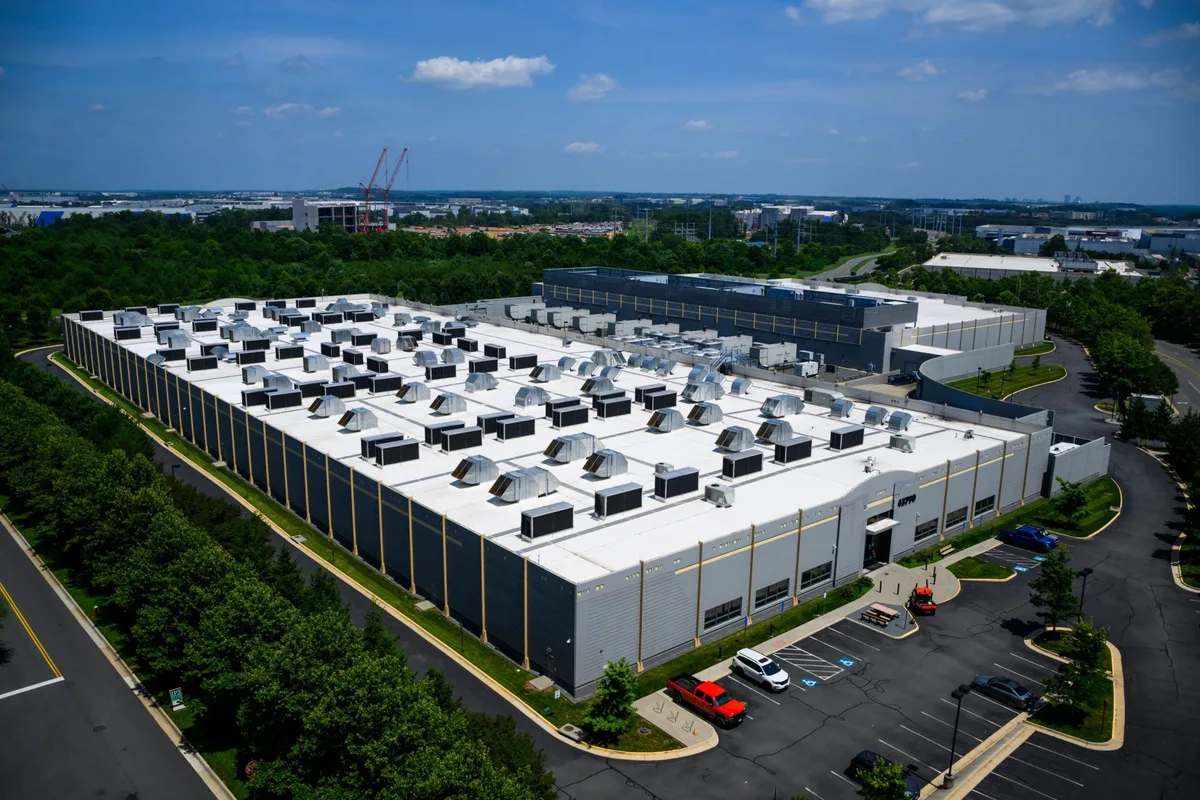
It’s no secret AI giants are racing against each other to build data centers across the country.
With the AI boom skyrocketing in the 2020s, the U.S. has grown to nearly 5,000 data centers across all 50 states to date, with hyperscalers driving much of that expansion.
But with that growth comes tax incentives that seem to scale further than market competition.
According to a report from JLL, a commercial real estate and investment management company, the global data center sector will likely expand at a 14% compound annual growth rate through 2030—and it notes “hyperscalers will remain a key driver of sector growth.” And with that growth comes significant savings for the hyperscalers: nearly three-quarters of all states employ tax incentives for data center development—which include exemptions from sales and use tax, property tax and “financial transactions” tax.
The eligibility of these exemptions differ state by state, however.
Some states like Texas require a substantial—at least $200 million—capital investment in the data center project, others such as Maine require a certain amount of square footage to be eligible, and a few states also require employment metrics to be met.
Certain states, like New York, have no minimum investment requirement—and to sweeten the deal further, the tax exemptions are applicable for a wide range of data center expenditures.
Such measures are evident in the New York Department of Taxation and Finance structure, for example, in which data center tax incentive eligibility covers property, services, equipment and contracts.
The incentives for the data centers themselves lie in the inherent replacement cycle required for upgrades and system life.
Capital expenditures like electrical systems, batteries and structures have usable lives in excess of 20 years—but other types of equipment such as cloud computing operations often have lives of as short as three years due to the high strain of AI computing.
Based on the nature of equipment churn, the Tax Foundation found that a $5 billion data center could “easily spend more than a billion dollars a year on machinery and equipment,” making sales taxation a “significant” consideration when choosing development.
Data centers, assuming they meet the minimum threshold required to be eligible depending on the state, are exempt from paying sales tax on equipment and machinery for years following their construction.
States that already do not employ sales tax, such as New Jersey, incentivize data center development through property tax abatements and tax credits instead.
This effectively means states are passing up billions in tax revenue to further cultivate the AI boom.
5News aggregated this summary from the outlet’s public feed. The full article, with all the context, is on fortune.com — the content belongs to Fortune.