‘Critical employees will begin to retire’: Trump’s new pay plan will deny most federal roles a raise, and it has workers warning of a retention crunch
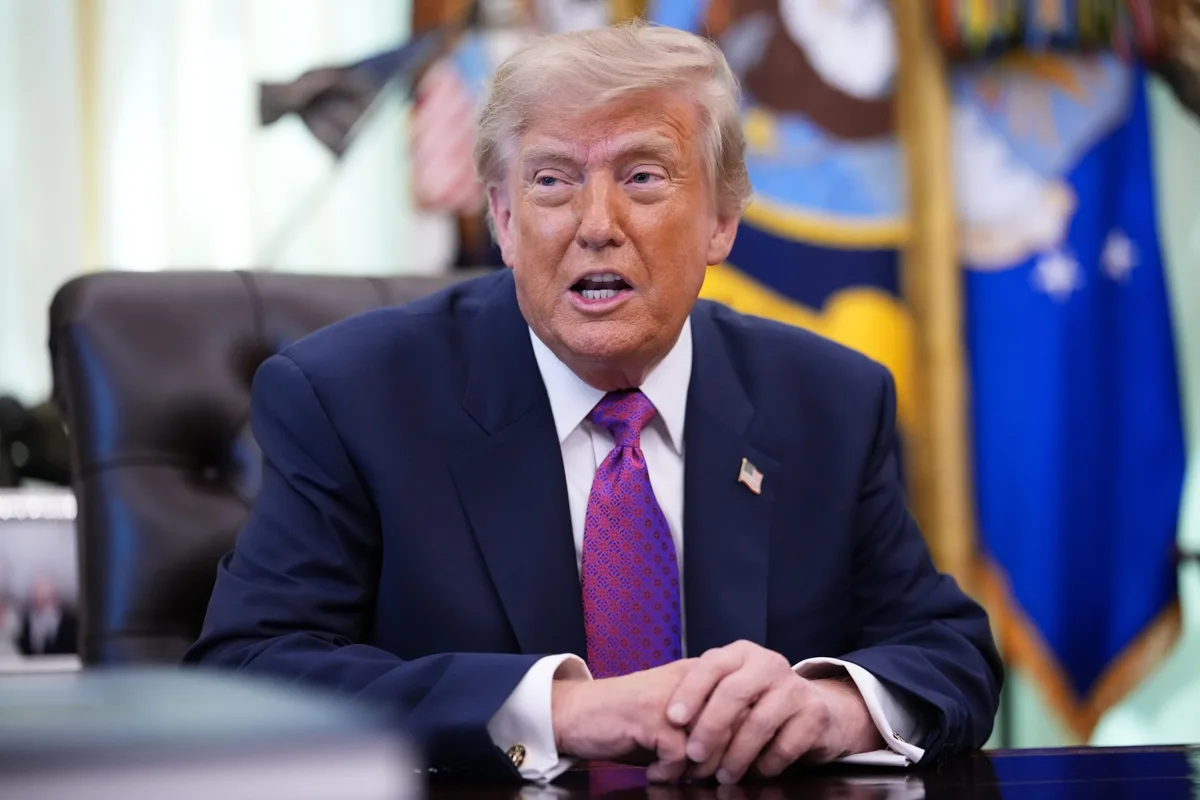
President Donald Trump is taking action to ensure most federal workers do not see a pay increase next year and denying concerns about its impact on employee retention and agency productivity, despite warnings to the contrary.
Trump’s 2027 fiscal budget proposal did not mention pay increases for civilian federal employees, who include air traffic controllers, IRS tax auditors, and food safety inspectors.
In a letter to House Speaker Mike Johnson last week, Trump confirmed that these employees would not see a pay increase for next year.
Meanwhile, members of the military would see between a 5% to 7% pay increase, part of an effort to “rebuild our military’s readiness and capabilities.” The president noted that a pay freeze for most employees was a result of increased inflation levels during the Biden administration.
Inflation has increased from 3% to 3.4% since Trump took office in January 2025.
“Such a large raise for Federal employees while most Americans still struggle with the consequences of the Biden Administration’s giant inflation spree is unacceptable and would be unfair,” Trump wrote.
Trump insisted the move would not impact workforce levels, arguing, “This decision will maintain fiscal responsibility without harming the government’s ability to recruit and retain well qualified employees.” The Office of Management and Budget did not respond to Fortune ’s request for comment and inquiry into why some government employees would receive a raise and others would not.
Federal workforce retention has been a concern for years, with policy think tank RAND finding in a 2014 analysis that permanent pay freezes between 2011 and 2013 decreased workforce retention among Department of Defense civilian employees with bachelor’s degrees or higher by 7.3%.
For many agencies, retaining employees has become more urgent following DOGE, or Department of Government Efficiency-led job cuts, which have been associated with increased burnout and decreased job engagement among still-employed workers.
That’s to say nothing of the 271,566 workers who have left the federal government since the beginning of the Trump administration, according to the Office of Personnel Management.
The nonprofit Partnership for Public Service, noted in a report last month that the deferred resignation program (DRP) carried out by DOGE, in which employers were offered the chance to resign in exchange for a period of full pay and benefits, may have already had adverse impacts on the workforce.
DRP was responsible for about 40% of departures from the U.S. government last year, according to the report, and often resulted in a position being refilled by a more junior employee with less expertise and institutional knowledge.
5News aggregated this summary from the outlet’s public feed. The full article, with all the context, is on fortune.com — the content belongs to Fortune.