China Wants to Sell The World on Xinjiang Farmed-Fish
When Chinese state television hailed inland salmon as a miracle in 2018, many viewers saw something more familiar: not a wonder, but a sales pitch.
The segment, aired by China Central Television that May, celebrated salmon farming in western China .
Over images of sleek fish cutting through clear water, the narrator marveled that “a precious fish like salmon, which typically lives in the open ocean,” could now be raised inland, in the country’s barren western hinterland.
The message was unmistakable.
Technology had made the improbable possible.
“The land is the same land, and the people are the same people,” the program declared, “but when technology is brought in, miracles are born.” Online, viewers began poking at the claim almost immediately.
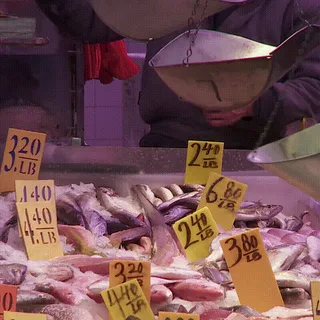
Was that salmon at all, many asked, or just rainbow trout dressed up as something fancier? On Chinese social media, the mood turned from curiosity to irritation.
“People expect Atlantic salmon, but we’re getting freshwater rainbow trout that costs half as much,” one Beijing-based WeChat account complained.
“How could you not be angry?” Science writer Fang Shimin dispensed with niceties: “This is cheap rainbow trout being passed off as expensive salmon.
If you don’t want to deceive consumers, just call it rainbow trout.” Such anxieties would only grow larger as China worked to sell an idea that, not long ago, might have sounded implausible: seafood from the desert.
As China has rapidly expanded its fish farms as part of a state policy aimed at self-sufficiency, it has developed at least 1,000 fish farms in Xinjiang, a historically restive region located in the country’s mountainous and desert inland.
The Outlaw Ocean Project , a news organization in Washington, D.C. that I founded and run, mapped these farms as part of a sweeping investigation showing how much seafood is reaching the U.S., including government facilities, in violation of the Uyghur Forced Labor Prevention Act (UFLPA).
The distrust was not irrational.
The United Nations’ Food and Agriculture Organization (FAO) said this year that while there is no official global estimate for seafood fraud, empirical studies suggest it may exist in up to 20% of the worldwide trade, sometimes appearing as species substitution and other kinds of misrepresentation.
5News aggregated this summary from the outlet’s public feed. The full article, with all the context, is on time.com — the content belongs to TIME.