Japan executes a man convicted of setting fire that killed 5
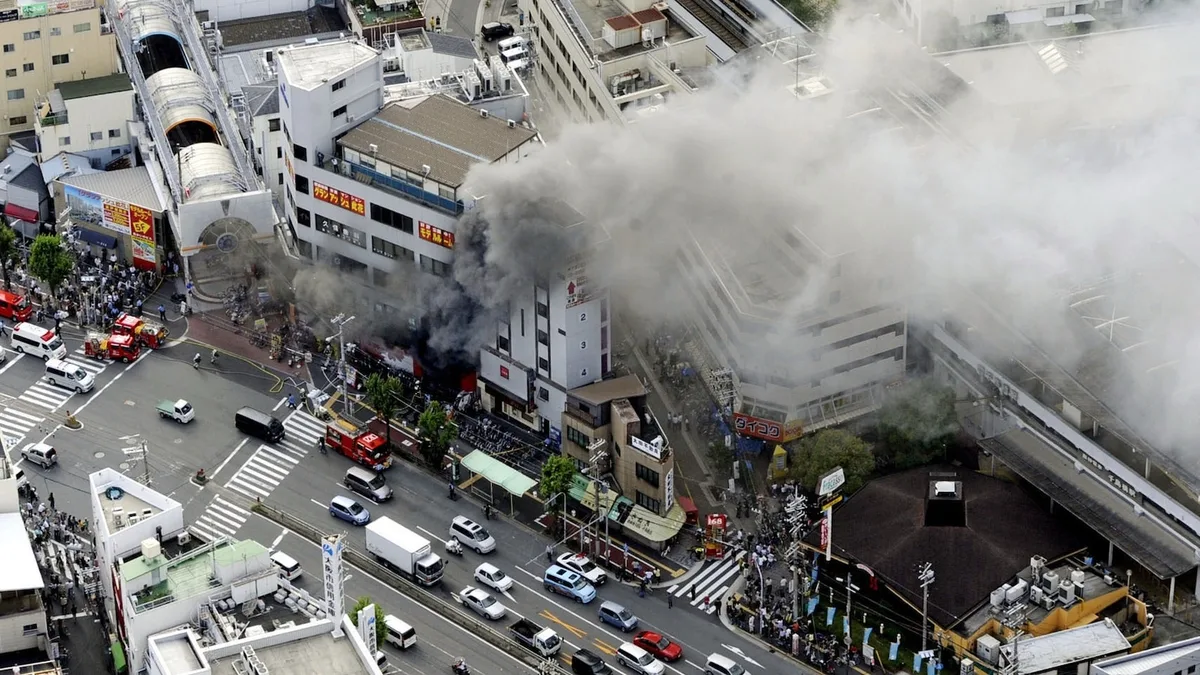
Japan says it has executed a man convicted of killing five people after setting fire to a pachinko parlor in 2009
TOKYO -- Japan on Friday announced the execution of a man convicted of killing five people after setting fire to an Osaka pachinko parlor in 2009, a first execution by Prime Minister Sanae Takaichi 's government as the country faces growing calls for more transparency and the abolition of capital punishment.
The Justice Ministry said Sunao Takami, 58, was hanged to death earlier Friday.
Takami in 2009 set fire to the crowded pachinko parlor in Osaka by spreading gasoline and throwing a lit match, engulfing the building, killing five and injuring 10 others, Justice Minister Hiroshi Hiraguchi said.
“It caused extremely serious outcomes and dealt a major shock and fear to the society,” he told a news conference, adding “the victims whose lives were taken away must have felt unimaginable pain and fear, and those who suffered injuries ... were forced to live with long-term effects.”
“As justice minister, I have ordered an execution after careful and thorough considerations,” he said.
Takami was convicted of murder, attempted murder and arson and sentenced to death in a 2011 Osaka District Court ruling. His appeals up to the top court were rejected in 2016 by a Supreme Court decision upholding the death penalty.
Japan now has 100 people on death row, including 43 seeking retrials, Hiraguchi said.
Japan has faced growing criticism over its use of the death penalty, as a majority of the international community has abolished capital punishment. Japan and the U.S. are the only two countries in the Group of Seven leading industrialized nations that put people to death.
Calls to abolish capital punishment or increase transparency have grown after the 2024 acquittal of the world’s longest-serving death-row inmate, Iwao Hakamada .
Executions are carried out in secrecy in Japan, where prisoners are not informed of their fate until the morning of their hanging.
Since 2007, Japan has begun disclosing the names of those executed and some details of their crimes, but disclosures are still limited.
Hiraguchi said he has no intention to change the ongoing practice, saying disclosure of additional details would disturb the mental state of the death-row inmates.
Friday’s hanging was the first by Takaichi’s government and comes during a parliamentary recess — a move criticized as a tactic to avoid public debate. Hiraguchi denied it was intentional.
5News aggregated this summary from the outlet’s public feed. The full article, with all the context, is on abcnews.go.com — the content belongs to ABC News International.