First group of deportees arrives in troubled Haiti after US ends TPS program
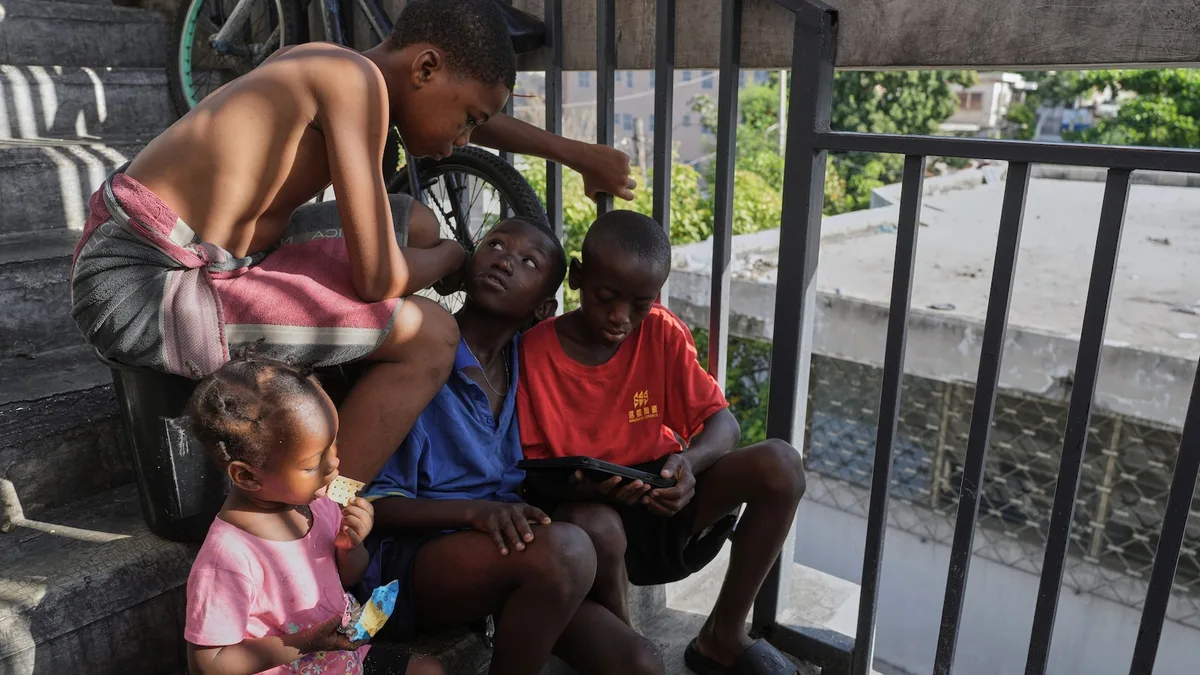
The U.S. has deported more than 160 people to Haiti for the first time since the Trump administration won a legal battle to end Temporary Protected Status for some 350,000 Haitians
CAP-HAITIEN, Haiti -- The U.S. deported more than 160 people to Haiti on Thursday for the first time since the Trump administration won a legal battle to end Temporary Protected Status for some 350,000 Haitians.
The plane landed in the northern Haitian city of Cap-Haitien because the main international airport in Port-au-Prince is considered too dangerous. The U.S. government currently has a ban on U.S. commercial flights to Haiti’s capital through early September because of ongoing gang violence .
The deportees were clad in white, and many covered their faces out of safety as journalists filmed their arrival. Nearly all declined to talk, with some fearing being targeted by gangs that control an estimated 70% of Port-au-Prince and swaths of land beyond.
The deportees included TPS holders and Haitians who had served prison sentences, said Jean Négot Bonheur Delva, director general of Haiti’s National Office of Migration.
“It is not the Haitian state that asks for them to be sent back,” he said. “Our mission is to welcome migrants of forced return. … We welcome them with the aim of accompanying them to their home.”
Delva noted that some of the deportees were not born in Haiti, although they are of Haitian descent.
He said that several deportees planned to travel to Haiti’s southern region, a dangerous journey because gangs control the main routes leading to that area and are known to randomly open fire on vehicles passing through.
“There is one migrant who knows nothing about Haiti because he said he was coming from the Dominican Republic; that’s where he was born,” Delva said.
He said the government would attempt to reunify him with any potential relatives in Haiti or the Dominican Republic, where his mother and father live.
Immigration officials in Haiti on Thursday offered deportees a maximum of $65 and something to drink and eat.
“Those who cannot reach their homes today, we will host them in secure spaces and the next day the process will continue until all migrants return home as they should,” Delva said.
Delva did not say how many of the 161 deportees were TPS holders who had been living and working legally in the U.S. since 2010.
In late June, the U.S. Supreme Court allowed the TPS program to end, affecting some 1 million people from more than a dozen countries.
5News aggregated this summary from the outlet’s public feed. The full article, with all the context, is on abcnews.go.com — the content belongs to ABC News International.