What Worries Experts About the Russia 'Plague' Incident
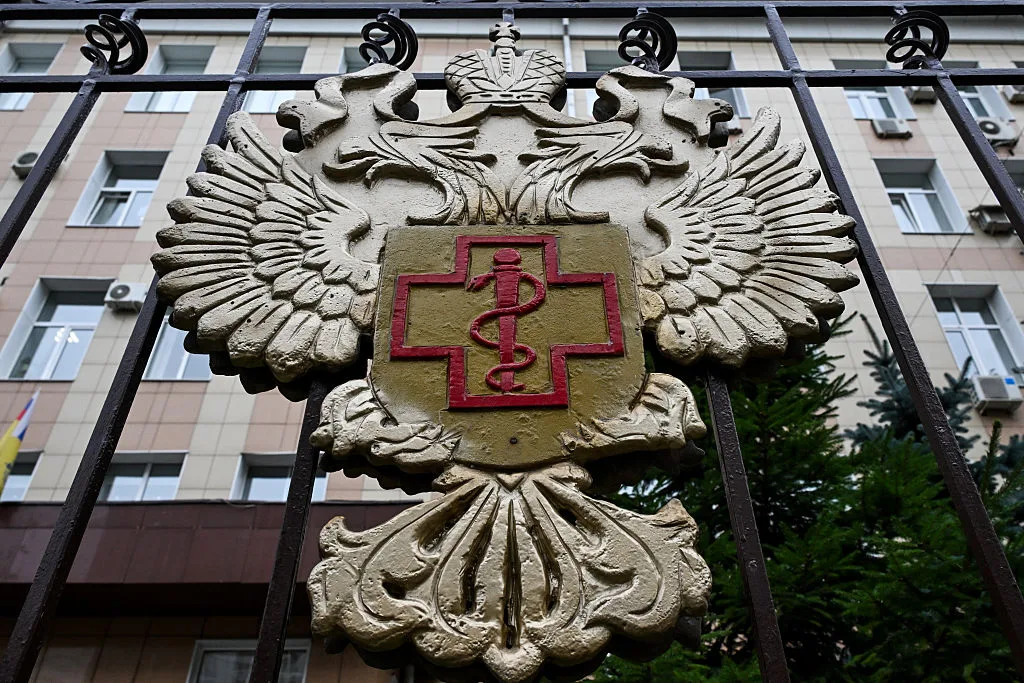
The logo of Russia's consumer and health watchdog Rospotrebnadzor sits on its grounds' fencing in Moscow on Oct.
5, 2026. —Igor IVANKO/AFP—Getty Images A laboratory worker in a plague research institute in Siberia died last week after developing pneumonia .
Since then, local reports suggesting that she broke a test tube containing plague bacteria have fueled speculation about how she became ill.
Russian authorities disputed that account and told the World Health Organization (WHO) that plague had not been detected in her tests nor in those of her close contacts .
At the same time, Russian authorities have reportedly quarantined as many as 200 people, which public-health experts say would be an unusual response to an isolated case of pneumonia.
On Tuesday evening, the WHO asked Russia for more information following media reports of a second case of pneumonia of unknown cause.
Researchers who work in public-health policy and infectious diseases have been watching this rapidly evolving and opaque situation with concern.
Here’s what worries them.
This doesn’t look like the average lab accident The pattern of events doesn’t fit neatly with the explanation that a lab accident with a known bacterium sickened the worker, says Jennifer Nuzzo, director of the Pandemic Center at the Brown University School of Public Health.
In labs that study Yersinia pestis , the bacterium that causes plague , protocols are in place to deal with accidental exposure.
Wearing personal protective equipment and working under a fume hood provides some protection.
But if someone finds they’ve been exposed, they would take antibiotics, which is an effective treatment for naturally occurring plaque bacteria.
“You’d be fine.
You don't die, typically,” says Nuzzo.
5News aggregated this summary from the outlet’s public feed. The full article, with all the context, is on time.com — the content belongs to TIME.